How Influencer Games Drive 10x More Engagement (Real Examples Inside)

Transform social media engagement into a competitive advantage by leveraging influencer games – strategic, gamified content experiences that drive audience participation and brand loyalty. These interactive campaigns help brands maximize influencer marketing impact while generating valuable user data and authentic engagement metrics.
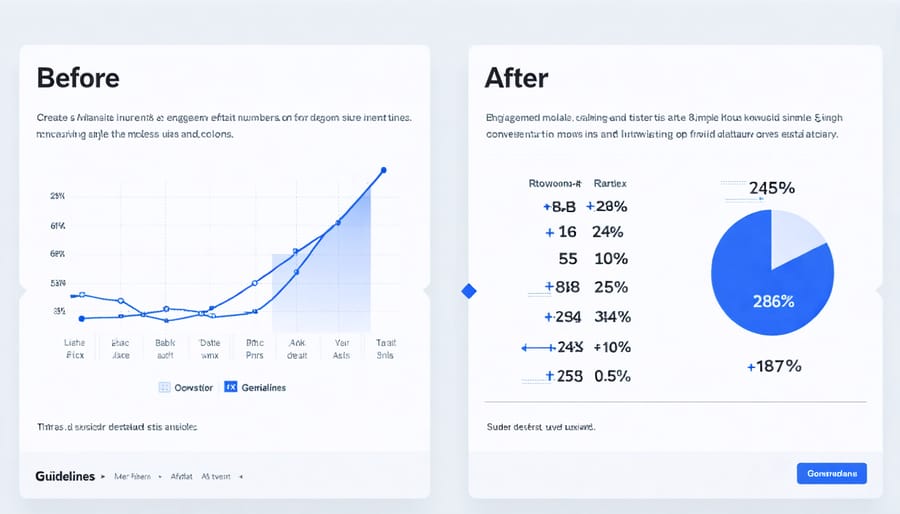
Recent studies show influencer-led gaming initiatives achieve 3-5x higher engagement rates than traditional sponsored posts. From virtual treasure hunts to branded challenges, these gamified experiences create a powerful feedback loop between influencers, audiences, and brands. By combining game mechanics with influencer authenticity, businesses can transform passive followers into active brand advocates.
The rise of platforms like TikTok and Instagram Reels has made implementing influencer games more accessible than ever. Whether through AR filters, interactive stories, or challenge-based campaigns, brands now have unprecedented opportunities to create memorable, shareable experiences that resonate with digital-native audiences while driving measurable business outcomes.
Why Gamification Works in Influencer Marketing
The Psychology of Social Competition
Social competition plays a fundamental role in driving user engagement within influencer games. When participants compete for recognition, status, or rewards, they tap into basic psychological motivators that encourage continued participation and heightened engagement.
The principle of social comparison naturally drives users to measure themselves against others, creating a compelling reason to participate actively. This competitive element triggers the release of dopamine when users achieve goals or outperform others, reinforcing participation through positive psychological feedback.
Key competitive elements that drive engagement include leaderboards, achievement badges, and time-limited challenges. These features create a sense of urgency and exclusivity while providing clear metrics for success. When combined with social proof elements, such as public recognition or shareable achievements, they amplify the desire to participate and excel.
Business owners can leverage this psychology by implementing tiered reward systems and creating opportunities for users to showcase their accomplishments. The key is maintaining a balance between healthy competition and accessibility, ensuring that new participants feel motivated to join while keeping experienced users engaged through progressive challenges.
Reward Systems That Actually Work
A well-structured reward system is essential for the success of influencer gaming campaigns. The most effective approach combines immediate gratification with long-term incentives. Start with easily achievable micro-rewards, such as exclusive content unlocks or small discounts, to maintain initial engagement. Then, layer in progressive rewards that increase in value as participants advance through the campaign.
Points-based systems work particularly well when tied to tangible benefits, such as store credits or early access to new products. Consider implementing tiered rewards where participants can choose between immediate, smaller rewards or save points for premium offerings. This creates a sense of strategy and investment in the game.
Social recognition rewards, such as special badges or featured spots on your brand’s social media, can be powerful motivators at zero cost. For maximum impact, combine multiple reward types: material prizes, social status indicators, and exclusive experiences. Remember to maintain a balanced reward schedule – too frequent rewards can diminish their perceived value, while too few can lead to disengagement.
Make sure all rewards align with your brand values and target audience preferences. Track redemption rates and participant feedback to optimize your reward structure over time.
Popular Influencer Game Formats
Interactive Challenges
Interactive challenges are powerful tools that drive social media engagement and create memorable experiences for audiences. These challenges, when properly designed and executed, can significantly amplify brand reach and lead to successful influencer partnerships.
Poll-based challenges encourage audience participation through simple voting mechanisms, allowing followers to make choices that influence content direction or product decisions. This creates a sense of ownership and investment in the brand journey.
Time-limited competitions, such as 24-hour challenges or weekly contests, create urgency and boost immediate engagement. These often involve user-generated content, where participants share photos, videos, or stories following specific themed guidelines.
Achievement-based challenges implement milestone systems where followers earn points, badges, or recognition for completing specific actions. This gamification approach maintains long-term engagement and builds community loyalty.
Creative challenges that require followers to remix content, create duets, or participate in themed activities are particularly effective on platforms like TikTok and Instagram Reels. These challenges often go viral when properly executed with clear instructions and attractive incentives.
Collaborative challenges, where multiple influencers work together on a single campaign, can exponentially increase reach and engagement by tapping into diverse audience segments. These challenges typically generate higher participation rates due to their amplified visibility and social proof.
Contest-Based Games
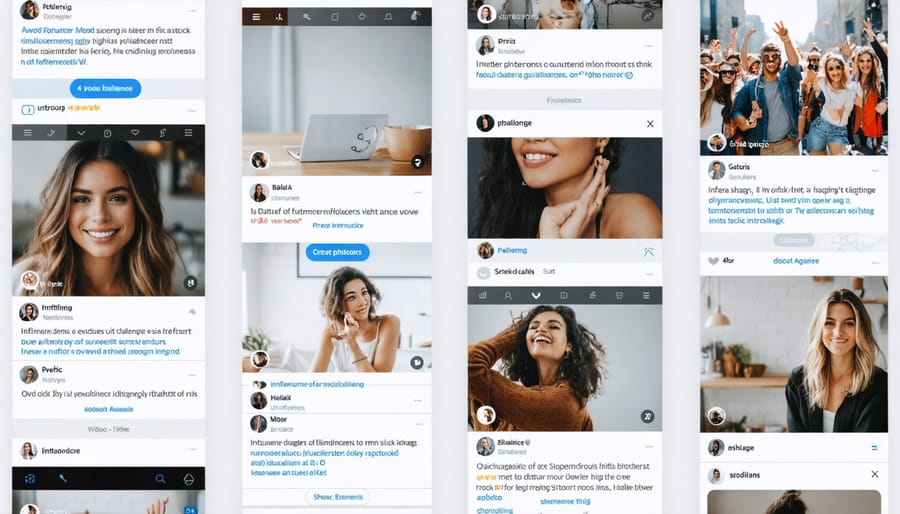
Contest-based games represent one of the most effective ways to drive engagement through influencer partnerships. The key to success lies in creating structured competitions that align with both your brand objectives and your audience’s interests.
To design an effective contest, start with clear, achievable goals and simple participation rules. Photo challenges, caption contests, and user-generated content competitions typically generate the highest engagement rates. For example, asking followers to share their best product experience photos with a branded hashtag creates both engagement and valuable social proof.
Structure your contests using these proven elements:
– A compelling prize that appeals to your target audience
– Easy-to-follow participation instructions
– A reasonable timeframe (typically 1-2 weeks)
– Clear judging criteria
– Branded hashtags for tracking
– Multiple sharing options
Consider incorporating voting mechanisms to increase engagement. This could involve likes, comments, or shares as voting methods, creating a natural viral effect. However, ensure your contest rules comply with platform guidelines and local regulations.
For optimal results, collaborate with your influencer partners to refine contest mechanics. Their understanding of their audience can provide valuable insights into what type of competition will resonate best. Track metrics like participation rates, hashtag usage, and follower growth to measure success and optimize future contests.
Implementation Strategies
Platform-Specific Game Design
Each social media platform has unique characteristics that require specific game design approaches to maximize engagement. On Instagram, visual-based games like photo challenges and Instagram Stories polls tend to perform best, leveraging the platform’s strong emphasis on imagery and quick-tap interactions. These games should incorporate eye-catching visuals and simple, intuitive mechanics that work well within Instagram’s story and post formats.
For TikTok, successful games often integrate with the platform’s short-form video format, encouraging users to create challenge-based content or participate in trending game-style activities. These might include dance challenges with gaming elements or creative use of TikTok’s native features like duets and sounds.
Twitter games typically work best when they’re text-based or poll-driven, taking advantage of the platform’s conversational nature. Simple voting mechanisms, thread-based storytelling games, or choose-your-own-adventure style content can generate significant engagement.
Facebook’s diverse feature set allows for more complex game mechanics, including quiz applications, group-based challenges, and interactive posts. The platform’s robust sharing capabilities make it ideal for competitive or collaborative games that encourage community participation.
When designing platform-specific games, consider:
– Native platform features and limitations
– Typical user behavior patterns
– Content format preferences
– Sharing mechanisms
– Mobile-first functionality
– Platform-specific engagement metrics
This targeted approach ensures higher participation rates and better overall campaign performance across different social media channels.
Measurement and Analytics
Measuring the success of influencer gaming campaigns requires a comprehensive analytics approach combining both quantitative and qualitative metrics. To effectively track campaign ROI metrics, businesses should focus on key performance indicators (KPIs) specific to gaming engagement.
Primary metrics to monitor include:
– Player participation rates
– Time spent in-game
– Completion rates
– Social sharing statistics
– Click-through rates to branded content
– Conversion rates from game to purchase
Engagement quality can be assessed through:
– User feedback and comments
– Social sentiment analysis
– Brand mention tracking
– Follower growth during campaigns
– Community interaction levels
Modern analytics platforms offer automated tracking solutions that integrate with most gaming interfaces. These tools provide real-time data on player behavior, allowing marketers to optimize campaigns mid-flight. For maximum effectiveness, establish clear baseline metrics before launch and set specific, measurable goals.
To determine true ROI, compare campaign costs (including influencer fees, game development, and promotion) against both direct revenue (sales attributed to the campaign) and indirect benefits (brand awareness, audience growth, and engagement increases). Regular reporting and analysis help refine future campaigns and demonstrate value to stakeholders.
Remember to track long-term metrics like customer retention rates and community growth to understand the sustained impact of your gaming initiatives.
Common Pitfalls and Solutions
While influencer gaming campaigns can be highly effective, several common challenges can impact their success. Understanding these pitfalls and knowing how to address them is crucial for achieving optimal results.
One frequent issue is misalignment between game mechanics and audience interests. Solution: Conduct thorough audience research and test game concepts with small focus groups before full implementation. This ensures the gaming elements resonate with your target demographic and drive meaningful engagement.
Poor campaign tracking often leads to inconclusive results. Solution: Implement comprehensive analytics from the start, establishing clear KPIs and using dedicated tracking tools to monitor performance metrics. This allows for real-time adjustments and better ROI measurement.
Inadequate influencer briefing can result in inconsistent messaging. Solution: Create detailed campaign briefs that include game rules, objectives, and brand guidelines. Regular check-ins and clear communication channels help maintain alignment throughout the campaign.
Technical glitches and platform limitations can frustrate participants. Solution: thoroughly test all game mechanics across different devices and platforms before launch. Have a contingency plan and dedicated support team ready to address technical issues promptly.
Many brands overlook campaign compliance guidelines and regulations. Solution: Work with legal experts to ensure your gaming mechanics comply with local laws and platform policies, particularly regarding prizes and participant data collection.
Budget overruns often occur due to unexpected costs. Solution: Build a buffer into your budget for contingencies and carefully plan prize structures. Consider scalable game mechanics that can accommodate varying participation levels without compromising the experience.
Maintaining participant enthusiasm throughout longer campaigns can be challenging. Solution: Implement progressive reward systems and regular content updates to keep engagement levels high. Use community management strategies to foster ongoing participation and create a sense of competition.
Influencer games have emerged as a powerful tool in modern digital marketing, offering businesses innovative ways to engage audiences and drive meaningful interactions. By implementing gamification elements in influencer campaigns, brands can significantly increase user engagement, generate valuable user-generated content, and build lasting relationships with their target audience.
To successfully integrate influencer games into your marketing strategy, start by identifying clear objectives and metrics for success. Choose game mechanics that align with your brand values and resonate with your target audience. Partner with influencers who genuinely connect with your brand and have an engaged following that matches your target demographic.
Remember to prioritize mobile-first design and ensure your games are easily accessible across all platforms. Implement robust tracking systems to measure performance and gather valuable user data. Regular analysis of these metrics will help optimize your campaigns and improve future initiatives.
Take action today by:
– Conducting a thorough audience analysis to understand gaming preferences
– Developing a pilot influencer game program with measurable KPIs
– Creating a shortlist of potential influencer partners
– Establishing a budget that includes game development and influencer compensation
– Setting up analytics tools to track engagement and ROI
As social media continues to evolve, influencer games will become increasingly important in marketing strategies. Stay ahead of the curve by starting your gamification journey now and building meaningful connections with your audience through interactive experiences.
Leave a Reply