Enterprise AR Is Transforming Customer Loyalty (Here’s How to Use It)

Augmented reality has evolved beyond consumer gaming apps into a strategic tool that drives measurable business results. Enterprise AR now enables companies to transform customer loyalty programs by creating immersive experiences that increase engagement rates by up to 70% and boost repeat purchase behavior significantly.
The technology works by overlaying digital content onto real-world environments through smartphones or tablets—no specialized hardware required. For businesses, this means you can launch AR-powered loyalty initiatives using customers’ existing devices, eliminating the adoption barriers that plagued earlier implementations.
The business case is compelling. Retailers using AR in loyalty programs report 40% longer customer interaction times and 30% higher conversion rates compared to traditional point-based systems. These aren’t futuristic projections—companies across retail, hospitality, and professional services are deploying AR loyalty features today with implementation timelines of 8-12 weeks.
Three core applications dominate enterprise AR loyalty strategies: virtual product try-ons that reward purchases with exclusive AR content, gamified scavenger hunts that drive foot traffic to physical locations, and interactive packaging that unlocks tiered membership benefits. Each approach converts passive point accumulation into active brand engagement.
The automation advantage matters here. Modern AR platforms integrate directly with existing CRM and marketing automation systems, enabling triggered AR experiences based on customer behavior without manual intervention. This alignment between emerging technology and automated workflows makes enterprise AR accessible to mid-market companies, not just enterprise giants with unlimited budgets.
What Enterprise Augmented Reality Actually Means for Your Business
Enterprise augmented reality differs significantly from the consumer AR filters you see on social media. While consumer AR focuses on entertainment and personal use, enterprise AR delivers measurable business outcomes through enhanced customer interactions and streamlined operational processes.
At its core, enterprise AR overlays digital information onto the physical world to solve specific business challenges. For your company, this means creating immersive experiences that strengthen customer relationships and drive repeat purchases. Think of it as giving your customers x-ray vision into your products, services, and brand story without requiring specialized equipment beyond their smartphones.
The practical applications for customer engagement are substantial. Retail businesses use AR to let customers visualize products in their actual spaces before purchasing, dramatically reducing return rates. Restaurants implement AR menus that showcase dishes in 3D, increasing order values by helping customers make confident choices. Service providers create AR tutorials that guide customers through product setup, reducing support calls while improving satisfaction.
For loyalty programs specifically, enterprise AR opens new possibilities. You can gamify the shopping experience by hiding virtual rewards throughout your physical or digital spaces. Customers might scan products to unlock exclusive content, accumulate points through AR treasure hunts, or access member-only experiences that blend digital perks with in-store visits.
The key distinction is automation and integration. Enterprise AR solutions connect directly to your existing customer relationship management systems, automatically tracking engagement, updating loyalty points, and triggering personalized communications. When AR transforms customer experience, it simultaneously captures valuable data about customer preferences and behaviors, informing your broader marketing strategy without manual intervention.
This technology is no longer experimental. It’s accessible, measurable, and increasingly essential for businesses seeking competitive advantages in customer retention.

Why AR-Enhanced Loyalty Programs Outperform Traditional Approaches
The Engagement Advantage
AR experiences consistently outperform traditional digital content in capturing and maintaining customer attention. Studies show that AR-enabled campaigns generate interaction times averaging 85 seconds compared to 2.5 seconds for standard advertisements. This dramatic difference translates directly into stronger brand recall and purchase intent.
The replay factor matters significantly for loyalty programs. AR experiences see repeat engagement rates of 67%, with users returning to AR features an average of 4.3 times within the first month. This repeated interaction creates multiple touchpoints for reinforcing brand messaging and reward opportunities.
Conversion metrics reveal compelling advantages. Customers who engage with AR features demonstrate 40% higher conversion rates and 35% larger average order values compared to those using traditional shopping interfaces. The immersive nature of AR builds confidence in purchase decisions while reducing return rates by up to 25%.
These engagement patterns enable automated loyalty tracking systems to gather richer behavioral data. When customers spend more time interacting with your brand through AR, your communication systems can deliver more personalized rewards and targeted offers based on actual usage patterns rather than basic transaction history alone.
Measurable ROI for Marketing Budgets
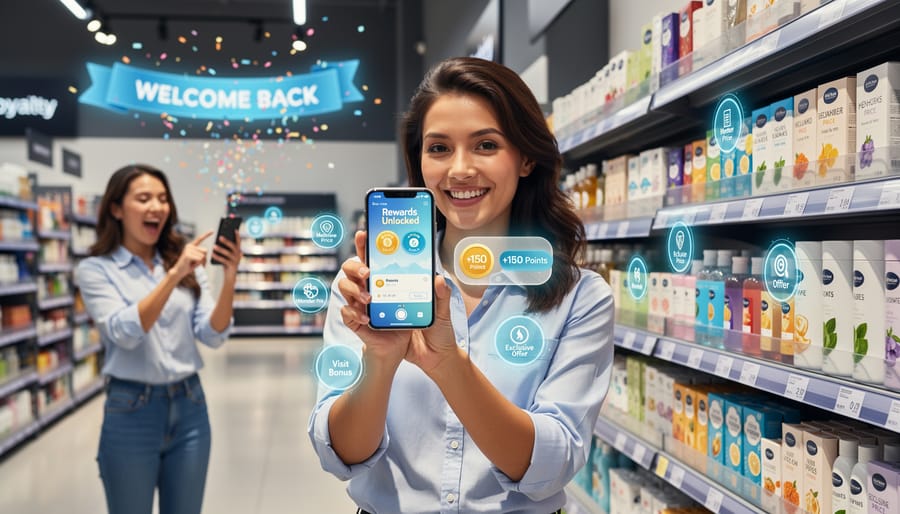
Enterprise AR loyalty programs consistently deliver quantifiable returns that justify initial investments. Leading retailers report 30-40% increases in customer engagement rates and 25% longer in-store dwell times when AR experiences are integrated into loyalty programs. One mid-sized fashion retailer saw a 3:1 return within six months after launching an AR virtual try-on feature linked to their rewards system, with repeat purchases increasing by 34%.
The key to measuring AR marketing ROI lies in tracking specific metrics: redemption rates for AR-unlocked rewards, customer acquisition costs versus lifetime value, and conversion rates from AR interactions. Beauty brands using AR makeup tutorials connected to point systems report average order values 22% higher than traditional channels.
Cost-effectiveness improves as platforms mature. Modern AR solutions require minimal ongoing maintenance once deployed, with automated tracking reducing administrative overhead by up to 50%. Small businesses can start with basic AR features for under $5,000 monthly, scaling as results demonstrate value. The automated nature of these systems means your team focuses on strategy rather than manual campaign management, maximizing resource efficiency while building stronger customer relationships.
Four Practical Ways to Integrate AR into Your Loyalty Program
Virtual Product Previews and Try-Before-You-Buy Experiences
Enterprise AR takes loyalty programs beyond points and discounts by offering exclusive AR shopping experiences to your most valued customers. Give VIP members early access to virtual product previews before official launches, allowing them to visualize items in their own space through smartphone cameras. This creates genuine excitement while collecting valuable feedback.
Implement tiered access levels where higher-tier members unlock premium AR features like advanced customization tools or 360-degree product interactions. A furniture retailer might offer top-tier customers exclusive access to room design consultations using AR visualization, while a fashion brand could provide virtual styling sessions with new collections.
The automated nature of AR platforms makes scaling these experiences straightforward. Once configured, the system delivers personalized previews based on customer purchase history and preferences without manual intervention. Track engagement metrics to identify which products generate the most AR interactions, informing future inventory decisions. This approach strengthens customer relationships by making loyalty members feel genuinely special while providing your business with actionable market intelligence before full product rollouts.
Gamified AR Treasure Hunts and Challenges
Location-based AR treasure hunts transform routine customer interactions into engaging experiences that drive repeat visits and brand loyalty. These AR gamification strategies work by placing virtual checkpoints, collectibles, or challenges at specific physical locations or on product packaging, rewarding participants with loyalty points or exclusive offers.
Implementation is straightforward with modern AR platforms that automate challenge creation and tracking. Retail stores can hide virtual items throughout their locations, encouraging customers to explore different departments. Restaurants can create scavenger hunts that highlight menu items or reveal chef stories. Product manufacturers can embed AR experiences on packaging that unlock rewards when scanned.
The key advantage is automated point distribution integrated directly with your existing loyalty program. When customers complete challenges, the system instantly credits their accounts without manual intervention. This seamless process reduces administrative overhead while providing real-time engagement metrics.
Start small with a single-location pilot featuring three to five AR checkpoints. Monitor completion rates and redemption patterns, then expand based on customer response. Most businesses see increased visit frequency within the first month of implementation.
Exclusive AR Content for Loyalty Tiers
AR experiences can serve as powerful incentives for customers to advance through loyalty program tiers. By reserving exclusive augmented reality features for premium members, you create tangible value that justifies higher engagement levels and program upgrades.
Start with a tiered approach that aligns AR benefits with customer value. Bronze members might access basic product visualization tools, while silver tiers unlock virtual try-on features. Reserve your most engaging AR experiences—such as personalized avatar shopping assistants or early access to virtual product launches—for platinum members.
This strategy works particularly well in retail and hospitality sectors. A clothing retailer could offer gold-tier members exclusive AR fashion shows featuring upcoming collections, while a hotel chain might provide VIP members with immersive virtual property tours before booking.
The key is ensuring each tier delivers measurable value without overcomplicating your technical infrastructure. Use automated systems to track member engagement with AR features, then adjust tier benefits based on actual usage data. This approach transforms AR from a novelty into a strategic tool for customer retention, creating clear upgrade paths that drive sustained program participation and revenue growth.
AR-Powered Personalized Rewards
AR-powered personalized rewards transform generic loyalty programs into dynamic, customer-centric experiences. By integrating augmented reality with customer data platforms, businesses can automatically deliver tailored offers that appear when customers interact with products or locations through their mobile devices.
The technology works by analyzing purchase history, browsing behavior, and engagement patterns to trigger relevant AR experiences. For example, a returning customer scanning a product might see a personalized discount or unlock an exclusive AR game tied to their preferences. This automated approach eliminates manual segmentation while ensuring each customer receives offers that genuinely resonate.
Implementation starts with connecting your existing CRM or loyalty platform to an AR solution that supports dynamic content delivery. The system then creates customer profiles that trigger specific AR experiences based on predefined rules you establish. A coffee shop might show morning customers breakfast combo offers, while afternoon visitors see dessert promotions through the same AR interface.
The real advantage lies in automated scalability. Once configured, the system continuously refines personalization based on ongoing customer interactions, requiring minimal manual intervention. This approach strengthens customer relationships through relevant communication while freeing your team to focus on strategy rather than execution.
Technology Requirements Without the Tech Overwhelm
The good news? You don’t need a massive IT department or six-figure budget to start with enterprise AR. Modern platforms have evolved to meet businesses where they are, with scalable solutions that grow alongside your needs.
Start by choosing a platform that matches your technical capacity. Cloud-based AR solutions like 8th Wall, Zappar, or Blippar offer user-friendly interfaces that require minimal coding knowledge. These platforms handle the heavy lifting of AR rendering and device compatibility, letting you focus on designing customer experiences rather than troubleshooting technical issues. Most integrate directly with existing CRM and loyalty program systems through APIs, eliminating the need for custom development.
Your hardware requirements are simpler than you might think. Since most customers already carry AR-capable smartphones, you’re leveraging existing devices rather than investing in specialized equipment. Focus instead on ensuring your interactive AR technology works seamlessly across iOS and Android platforms.
Integration with your current loyalty program is where automation becomes your best friend. Look for AR platforms that offer pre-built connectors to popular marketing automation tools like HubSpot, Salesforce, or Klaviyo. These connections enable automatic point tracking, reward distribution, and customer communication without manual data entry.
The essential checklist includes: a mobile-responsive website or app, basic analytics tracking to measure engagement, and cloud storage for AR assets. Many platforms offer template-based creation tools that let marketing teams build AR experiences without developer intervention, significantly reducing both time and cost.
Consider starting with a pilot program using one AR feature, perhaps a product visualization tool or gamified reward hunt. This approach lets you test technology requirements on a smaller scale, gather real usage data, and identify any integration gaps before full deployment. Most platforms offer free trials or tiered pricing that aligns costs with actual usage, making enterprise AR accessible even for smaller businesses.
Implementation Roadmap for Small to Medium-Sized Businesses
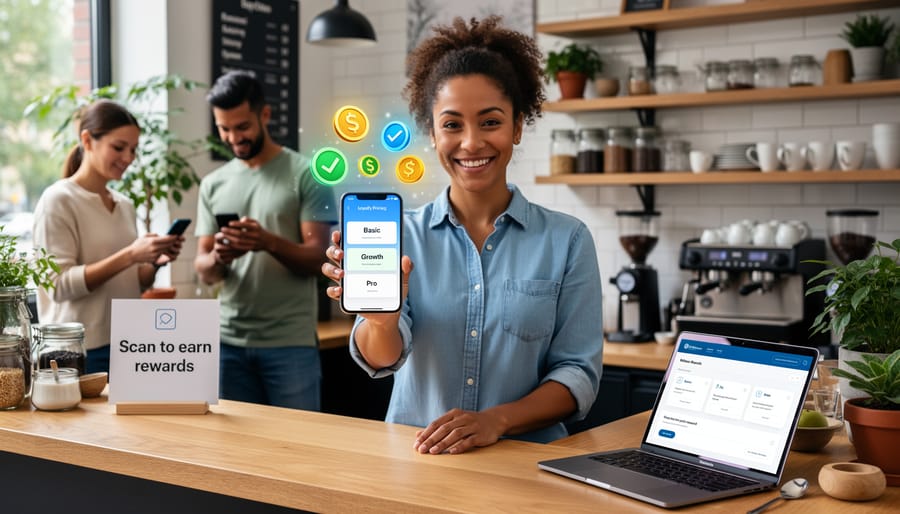
Starting your AR loyalty program integration doesn’t require a massive upfront investment. A phased approach allows you to test, learn, and scale based on real results.
Begin with a 30-day discovery phase. Audit your current loyalty program to identify one specific pain point or opportunity where AR could add immediate value. This might be low engagement with product launches, difficulty explaining complex features, or weak emotional connections with your brand. Choose a single, contained use case for your pilot.
During months two and three, launch a minimum viable AR experience targeting a small segment of your most engaged loyalty members. This could be as simple as an AR product visualization that customers access through their smartphones, or a gamified scavenger hunt at your physical location. Partner with an AR platform that offers ready-made templates rather than building custom solutions from scratch. Set clear success metrics including engagement rates, time spent with the AR feature, and conversion lift compared to your control group.
In months four through six, analyze your pilot data and gather direct feedback from participants. Calculate your cost per engagement and compare it against traditional loyalty touchpoints. If results justify expansion, gradually roll out to broader customer segments while maintaining automated tracking systems to monitor performance.
For scaling beyond six months, integrate your AR features with your existing customer communication workflows. Set up automated triggers that invite customers to AR experiences based on their purchase history or loyalty tier status. This ensures your AR investment supports rather than complicates your marketing operations.
Budget realistically. Initial pilots typically range from $5,000 to $15,000 for small businesses using platform-based solutions, with monthly costs scaling as you expand features and user access.
Common Pitfalls and How to Avoid Them
Many businesses stumble when implementing AR loyalty features due to preventable mistakes. Understanding these pitfalls upfront saves time, money, and customer goodwill.
The most common challenge is overcomplicating the user experience. Businesses often pack too many features into their AR application, overwhelming customers. Solution: Start with one simple, valuable AR interaction—like scanning a product to unlock rewards. Test it thoroughly with real users before adding complexity. Automated onboarding processes help guide customers through their first AR experience seamlessly.
Technical compatibility issues create frustration when AR features don’t work across different devices. Many companies develop for the latest smartphones only, excluding significant customer segments. Solution: Choose AR platforms that support both iOS and Android with backward compatibility for older devices. Progressive web apps often provide broader accessibility than native applications.
Poor client communication around AR features leads to low adoption rates. Customers won’t use what they don’t understand or see value in. Solution: Create clear, visual tutorials showing exactly how to access and benefit from AR loyalty features. Send personalized messages highlighting rewards they can unlock through AR engagement.
Data privacy concerns can derail AR initiatives when customers feel uncomfortable with camera access or location tracking. Solution: Be transparent about what data you collect and why. Offer value that justifies the permissions you request, and make privacy settings easy to control.
Finally, neglecting performance metrics means missing optimization opportunities. Solution: Track specific metrics like activation rates, session duration, and reward redemption through automated analytics dashboards, allowing data-driven improvements.
Integrating augmented reality into your loyalty program isn’t reserved for Fortune 500 companies with unlimited budgets. Today’s AR solutions are scalable, accessible, and designed to deliver measurable results for businesses of all sizes. The key is starting strategically—identifying where AR creates genuine value for your customers rather than implementing technology for its own sake.
Begin by evaluating your current customer journey and pinpointing friction points where AR could enhance engagement. Whether it’s virtual product try-ons, interactive reward redemptions, or gamified experiences, focus on solutions that directly address customer needs while supporting your retention goals. Remember that successful AR implementation relies on clear communication with your clients about new features and their benefits.
Your next steps are straightforward. First, audit your existing loyalty program to identify high-impact opportunities for AR integration. Second, research platform providers that offer turnkey solutions aligned with your technical capabilities and budget. Third, develop a pilot program with a specific customer segment to test effectiveness before full deployment. Finally, establish automated tracking systems to monitor engagement metrics and ROI from day one.
The businesses that thrive with AR loyalty programs aren’t necessarily those with the largest budgets—they’re the ones that prioritize practical implementation, maintain consistent client communication, and treat technology as a tool to strengthen relationships rather than replace them. Start small, measure rigorously, and scale what works.
Leave a Reply