Carbon Neutral Marketing That Actually Drives Sales (Without Greenwashing)

In today’s competitive marketplace, carbon neutrality has evolved from an environmental aspiration to a business imperative. Leading companies are transforming their operations, supply chains, and brand identities to meet growing consumer demand for sustainable practices while driving profitability. From tech giants like Microsoft pledging billions in carbon removal investments to small businesses implementing energy-efficient solutions, organizations across sectors are racing to achieve net-zero emissions. This shift represents more than environmental stewardship – it’s a strategic advantage that enhances brand value, attracts conscious consumers, and future-proofs operations against emerging regulations and market demands.
Yet achieving carbon neutrality requires more than simple offsetting. Smart businesses are taking a comprehensive approach: measuring their carbon footprint accurately, implementing reduction strategies throughout their operations, engaging employees in sustainability initiatives, and communicating their progress transparently to stakeholders. These companies recognize that authentic commitment to carbon neutrality not only addresses climate change but also drives innovation, reduces operational costs, and creates lasting competitive advantages in an increasingly environmentally conscious market.
For businesses ready to embark on their carbon-neutral journey, understanding proven strategies and best practices is essential for successful implementation while maintaining profitability and growth.
Why Carbon Neutral Marketing Matters Now
The Business Case for Carbon Neutrality
Studies show that carbon neutrality isn’t just an environmental imperative – it’s increasingly becoming a smart business decision. According to McKinsey, companies with strong ESG performance command an average 10% premium in market value compared to their peers. This translates into tangible benefits across multiple business areas.
Customer loyalty has emerged as a key driver, with 73% of millennials willing to spend more on brands that demonstrate environmental responsibility. Companies that have achieved carbon neutrality report an average increase of 28% in customer retention rates.
The cost savings are equally compelling. Organizations implementing comprehensive carbon reduction strategies typically see a 15-30% decrease in operational costs through improved energy efficiency and waste reduction. Additionally, carbon-neutral companies are 67% more likely to attract top talent and maintain higher employee satisfaction rates.
From an investor perspective, sustainable businesses are experiencing better access to capital. The Global Sustainable Investment Alliance reports that sustainable investing assets have surpassed $35 trillion globally, creating significant opportunities for carbon-neutral companies to secure favorable financing terms and expand their operations.
Consumer Trust and Brand Loyalty
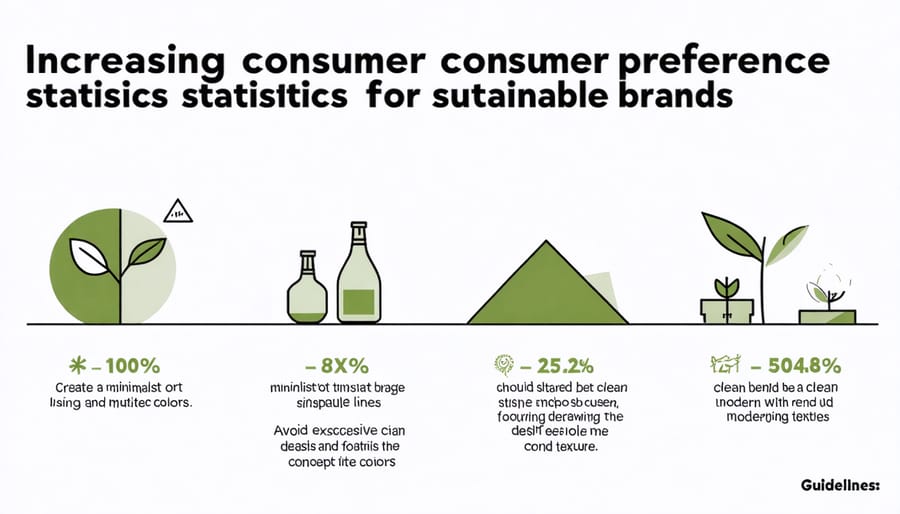
Consumer behavior studies consistently show that sustainability practices significantly influence purchasing decisions, with carbon neutrality becoming a key factor in how brands win modern consumers’ trust. Recent market research indicates that 78% of consumers are more likely to choose products from companies with transparent carbon reduction initiatives, while 64% express stronger brand loyalty to businesses that demonstrate genuine environmental responsibility.
This shift in consumer preference translates directly to business performance. Companies that effectively communicate their carbon neutral commitments typically see a 12-15% increase in customer retention rates compared to their competitors. However, authenticity is crucial – consumers are increasingly skilled at identifying superficial environmental claims, making genuine carbon neutral initiatives essential for building lasting trust.
To maximize the trust-building potential of carbon neutral programs, businesses should focus on transparent reporting, clear communication of their environmental goals, and regular updates on their progress. This approach not only strengthens brand loyalty but also creates a competitive advantage in markets where environmental consciousness drives purchasing decisions.
Building an Authentic Carbon Neutral Strategy
Assessment and Goal Setting
The first step toward becoming a carbon neutral company is conducting a comprehensive carbon footprint assessment. This involves measuring direct emissions from company operations (Scope 1), indirect emissions from purchased energy (Scope 2), and other indirect emissions from your value chain (Scope 3). Many organizations use specialized carbon accounting software or partner with sustainability consultants to ensure accurate measurements.
Once you have baseline measurements, set SMART (Specific, Measurable, Achievable, Relevant, Time-bound) goals for carbon reduction. Start by identifying quick wins in energy efficiency and waste reduction, then develop longer-term strategies for more significant emissions cuts. A typical approach is setting interim targets, such as 25% reduction by 2025, leading to complete neutrality by 2030 or 2040.
Consider using science-based targets aligned with the Paris Agreement’s goal of limiting global warming to 1.5°C. These targets provide credibility and demonstrate your commitment to stakeholders. Regular monitoring and reporting are essential – implement quarterly or annual reviews to track progress and adjust strategies as needed.
Remember that goal setting isn’t just about numbers – engage employees across departments to gather insights and build support for your carbon neutral initiatives. This collaborative approach ensures more realistic target setting and better implementation of reduction strategies.

Implementation and Verification
Achieving carbon neutral status requires a systematic approach and third-party verification to ensure credibility. The implementation process typically begins with a comprehensive carbon footprint assessment, measuring direct and indirect emissions across all business operations.
Companies must then develop a clear reduction strategy, focusing on decreasing emissions through operational improvements, energy efficiency measures, and sustainable procurement practices. This often involves upgrading facilities, optimizing logistics, and transitioning to renewable energy sources.
For emissions that cannot be eliminated, businesses implement carbon offset programs through verified projects such as reforestation, renewable energy development, or methane capture initiatives. It’s crucial to select high-quality offset projects that meet international standards and provide transparent documentation.
Verification of carbon neutral claims should be conducted by accredited third-party organizations. These assessors review emission calculations, reduction efforts, and offset purchases to ensure compliance with recognized standards such as PAS 2060 or The Carbon Neutral Protocol.
Regular monitoring and reporting are essential components of maintaining carbon neutral status. Companies should establish clear metrics, conduct annual audits, and update their reduction strategies based on performance data. Documentation must be maintained and made available for stakeholder review, demonstrating ongoing commitment to carbon neutrality.
Success in achieving carbon neutral status requires full organizational buy-in, from leadership to front-line employees, and should be integrated into the company’s long-term strategic planning.
Communication Strategy
Effective communication of carbon neutrality initiatives requires a strategic approach that balances transparency with stakeholder engagement. Start by developing clear, measurable goals and milestones that demonstrate your company’s commitment to sustainability. This creates a foundation for how you build authentic brand stories around your environmental efforts.
Implement a multi-channel communication strategy that includes regular updates through:
– Sustainability reports and environmental impact assessments
– Social media campaigns highlighting progress and achievements
– Employee newsletters and training programs
– Customer-facing materials explaining your carbon reduction efforts
– Website updates featuring real-time carbon tracking
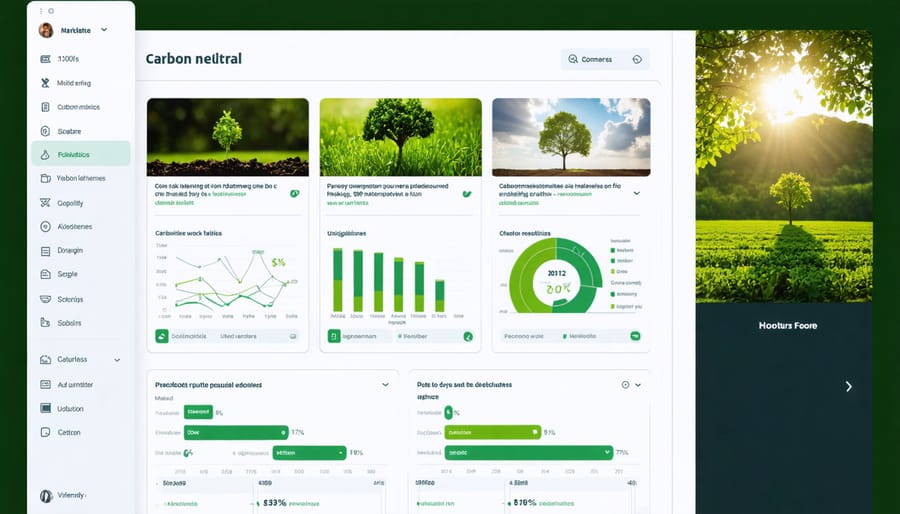
Focus on data-driven messaging that showcases specific actions and results rather than vague promises. Share both successes and challenges to maintain credibility and demonstrate genuine commitment to improvement. Consider creating an environmental dashboard that stakeholders can access to track progress toward carbon neutrality goals.
Engage stakeholders through interactive elements such as:
– Feedback surveys on sustainability initiatives
– Community involvement programs
– Partner collaboration opportunities
– Educational content about carbon reduction
– Regular stakeholder meetings to discuss environmental impact
Remember to tailor messages to different stakeholder groups while maintaining consistency in your overall environmental narrative. This ensures that your communication remains relevant and meaningful to each audience while supporting your broader carbon neutrality objectives.
Marketing Your Carbon Neutral Status
Digital Marketing Channels
In today’s digital landscape, carbon neutral companies must leverage multiple online channels to effectively communicate their sustainability initiatives. Implementing comprehensive digital marketing strategies across various platforms helps reach diverse audience segments while maintaining message consistency.
Social media platforms like LinkedIn, Twitter, and Instagram serve as primary channels for sharing sustainability achievements, behind-the-scenes glimpses of green initiatives, and engaging with environmentally conscious consumers. LinkedIn is particularly effective for B2B communication and industry leadership positioning, while Instagram’s visual nature makes it ideal for showcasing sustainable practices in action.
Email marketing remains a powerful tool for nurturing relationships with environmentally aware customers. Regular newsletters can highlight carbon reduction progress, share sustainability tips, and announce new green initiatives. Segmentation ensures messages resonate with different audience groups, from eco-conscious consumers to corporate partners.
Content marketing through blogs, podcasts, and video content helps establish authority in sustainability while educating audiences about carbon neutrality. This approach builds trust and demonstrates genuine commitment to environmental responsibility rather than mere greenwashing.
Pay-per-click advertising and SEO optimization should focus on relevant keywords related to sustainability and carbon neutrality. This ensures visibility to audiences actively searching for environmentally responsible businesses. Additionally, partnering with eco-friendly influencers and environmental organizations can amplify message reach and credibility across digital channels.
Online sustainability reports and interactive carbon footprint calculators on company websites provide transparency and engagement opportunities. These tools demonstrate commitment to environmental goals while encouraging stakeholder participation in sustainability efforts.
Content Strategy
Creating impactful content around your carbon neutral initiatives requires a strategic approach that resonates with both stakeholders and customers. Start by documenting your company’s journey toward carbon neutrality, including specific milestones, challenges overcome, and measurable results. This transparency builds credibility and trust with your audience.
Develop a content mix that includes data-driven case studies, employee testimonials, and behind-the-scenes glimpses of your sustainability efforts. Share regular updates through blog posts, social media content, and email newsletters that highlight your progress and demonstrate your commitment to sustainable marketing practices.
Visual content plays a crucial role in communicating your carbon neutral message. Create infographics that illustrate your carbon reduction achievements, video content showcasing your green initiatives in action, and interactive tools that help stakeholders understand their environmental impact. Remember to maintain consistency in your messaging across all platforms while adapting the format to suit each channel’s requirements.
Engage your audience by incorporating user-generated content and encouraging community participation. Launch campaigns that invite customers to share their own sustainability stories or participate in your green initiatives. This not only increases engagement but also creates a sense of collective responsibility and action.
Measure the effectiveness of your content strategy through engagement metrics, conversion rates, and brand sentiment analysis. Use these insights to refine your approach and ensure your message continues to resonate with your target audience while supporting your broader business objectives.
Measuring Campaign Success
To effectively track the success of carbon neutral marketing campaigns, companies need to establish clear Key Performance Indicators (KPIs) and metrics. Start by monitoring website traffic and engagement metrics, including page views on sustainability-focused content, time spent on these pages, and bounce rates. Track social media engagement through likes, shares, and comments on posts related to carbon neutral initiatives.
Customer sentiment analysis is crucial – measure brand perception through surveys, social listening tools, and customer feedback. Monitor the increase in positive mentions and sentiment around your sustainability efforts. Keep track of conversion rates specifically tied to eco-friendly products or services, and measure any changes in customer acquisition costs for environmentally conscious segments.
Environmental impact metrics are equally important. Track reductions in carbon emissions, energy consumption, and waste production. Compare these against your baseline measurements and industry standards. Document the progress toward carbon neutral goals using standardized measurement tools and third-party verification when possible.
Financial metrics shouldn’t be overlooked. Monitor changes in revenue attributed to sustainable products, cost savings from energy-efficient practices, and ROI on carbon neutral investments. Consider measuring the impact on customer retention rates and lifetime value among environmentally conscious consumers.
Create monthly or quarterly reports combining these metrics to provide a comprehensive view of campaign effectiveness. Use data visualization tools to make these reports accessible to stakeholders and team members.
Becoming a carbon neutral company is no longer just an environmental choice – it’s becoming a business imperative. As consumers and stakeholders increasingly demand sustainable practices, organizations that take decisive action now will position themselves advantageously for the future.
The journey to carbon neutrality requires a comprehensive approach: measuring your current carbon footprint, implementing reduction strategies, investing in offset programs, and effectively communicating your progress. Success depends on setting realistic goals, engaging employees at all levels, and maintaining transparency throughout the process.
Remember that carbon neutrality is not a destination but a continuous journey of improvement. Start with quick wins like energy efficiency improvements and waste reduction, then progress to more complex initiatives like supply chain optimization and renewable energy adoption. Regular monitoring and reporting of your progress will help maintain momentum and demonstrate commitment to stakeholders.
For businesses just beginning their sustainability journey, consider starting with a pilot program in one department or location. Use these learnings to develop a broader implementation strategy. Partner with experienced sustainability consultants or organizations to avoid common pitfalls and accelerate your progress.
The transition to carbon neutrality offers numerous benefits beyond environmental impact, including cost savings, enhanced brand reputation, improved employee satisfaction, and competitive advantage. By taking action now, your business can lead the way in creating a more sustainable future while driving long-term success.
Leave a Reply