Micro-Influencer Gold Mines: These Profitable Niches Are Being Overlooked

Discover untapped revenue streams and build authentic connections in today’s competitive influencer landscape by targeting high-potential micro-niches. The most profitable influencer opportunities now exist in specialized sectors like sustainable tech reviews, mental health advocacy, and niche hobby communities – not oversaturated lifestyle markets.
Strategic niche selection drives 73% higher engagement rates and 2.4x better conversion rates compared to general content creation. Today’s brands specifically seek micro-influencers with deep expertise in targeted segments, offering collaboration rates 25-40% higher than traditional influencer partnerships.
Whether you’re an aspiring content creator or a marketing professional looking to leverage influencer partnerships, identifying the right niche combines passion with profit potential. This guide explores emerging influencer niches with proven ROI, backed by market research and real campaign data. We’ll examine specific verticals where demand exceeds current creator supply, providing actionable strategies to establish authority in these lucrative spaces.
Why Micro-Influencers Outperform Celebrity Endorsements
The Engagement Sweet Spot
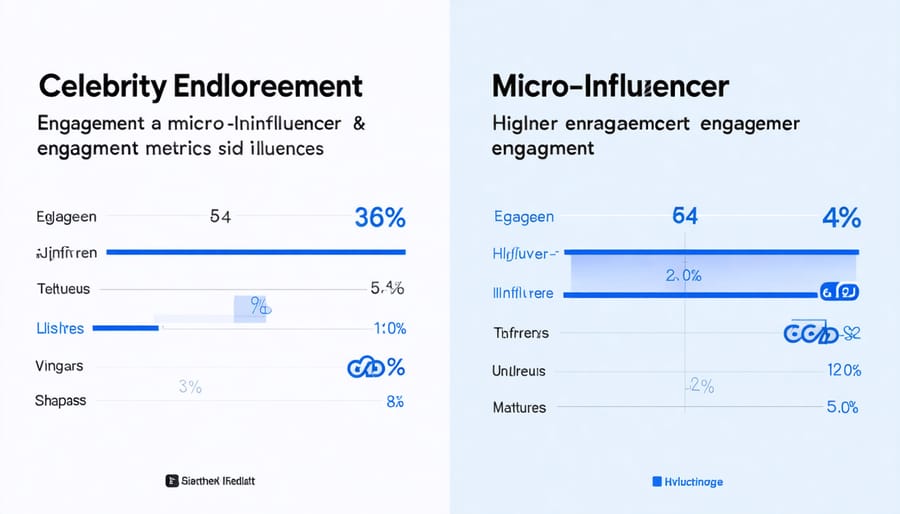
Recent data analysis reveals that micro-influencers with 10,000 to 50,000 followers consistently achieve the highest engagement rates, averaging 3.86% compared to 1.21% for accounts with over 1 million followers. This sweet spot balances reach with authentic connection, making it particularly valuable for niche marketing campaigns.
The optimal engagement metrics vary by industry, but successful micro-influencers typically maintain:
– 4-6% engagement rate on regular posts
– 8-12% engagement on sponsored content
– 60-80% response rate to follower comments
– 15-20% story completion rates
Notably, accounts within this follower range experience 60% higher conversion rates than macro-influencers, primarily due to their targeted audience and perceived authenticity. For businesses, this translates to a more cost-effective marketing strategy, with average collaboration costs ranging from $200-$800 per post, compared to $5,000+ for larger influencers.
To maximize ROI, focus on influencers who maintain consistent engagement over viral spikes, as this indicates a genuine, active community rather than artificially inflated metrics.
Trust Factor: Building Authentic Connections
Micro-influencers excel at building authentic connections because they maintain genuine, two-way relationships with their followers. Unlike mega-influencers, they can respond personally to comments, engage in direct messages, and create content that resonates with their specific community’s needs and interests.
To foster trust, successful micro-influencers consistently share behind-the-scenes content, personal stories, and honest product reviews. They maintain transparency about sponsored content and only partner with brands that align with their values and audience’s interests. This selective approach helps maintain credibility and strengthens their reputation as trusted advisors in their niche.
Engagement strategies like polls, Q&A sessions, and live streams help micro-influencers understand their audience’s preferences and challenges. By incorporating follower feedback into their content strategy, they demonstrate that they value their community’s input. This collaborative approach creates a loyal following that’s more likely to act on recommendations and engage with promotional content.
Regular community check-ins, personalized responses, and sharing user-generated content also help maintain an authentic connection that larger influencers often struggle to achieve.

High-Growth Micro-Influencer Niches
Sustainable Living and Zero Waste
The sustainable living and zero waste niche presents a growing opportunity for influencers, with the global eco-friendly products market expanding rapidly. This sector attracts environmentally conscious consumers willing to invest in sustainable alternatives and ethical brands. Influencers in this space can promote a wide range of products, from reusable household items and plastic-free alternatives to organic personal care products and sustainable fashion.
Success in this niche requires authentic commitment to environmental values and detailed knowledge of sustainable practices. Profitable content strategies include product reviews of eco-friendly alternatives, zero-waste lifestyle tips, sustainable home makeovers, and educational content about environmental impact. Brands particularly value influencers who can effectively demonstrate the practical benefits of sustainable products while maintaining transparency about environmental claims.
Key monetization opportunities include partnerships with sustainable brands, affiliate marketing for eco-friendly products, creating digital guides for sustainable living, and consulting services for businesses transitioning to greener practices. The most successful influencers in this space combine practical advice with compelling storytelling that inspires audiences to make environmentally conscious choices in their daily lives.
Tech Privacy and Digital Wellness
In today’s digitally-driven world, tech privacy and digital wellness have emerged as significant concerns among social media users. This creates a perfect opportunity for influencers to establish authority in this growing niche. Content creators can focus on topics like data protection, digital minimalism, screen time management, and cybersecurity best practices.
Successful influencers in this space often share practical tips about privacy settings across social platforms, recommend security tools and apps, and educate their audience about potential digital threats. They might also address the psychological aspects of technology use, including social media addiction, digital boundaries, and maintaining work-life balance in a connected world.
The monetization potential in this niche is substantial, with opportunities to partner with VPN services, password managers, digital wellness apps, and security software companies. Creating educational content about privacy tools, hosting workshops on digital detox, and offering consulting services for businesses seeking to improve their digital security practices are additional revenue streams.
This niche particularly resonates with millennials and Gen Z audiences who are increasingly conscious about their digital footprint and seeking guidance on maintaining their online privacy while staying connected.
Specialized Fitness Communities
Specialized fitness communities represent a lucrative niche for aspiring influencers, particularly those with expertise in specific workout methodologies or training philosophies. CrossFit enthusiasts, yoga practitioners, and HIIT specialists can build dedicated followings by sharing targeted content that resonates with their particular fitness tribe.
Success in this niche requires demonstrating deep knowledge of your chosen specialty, whether it’s powerlifting, calisthenics, or functional fitness. Focus on creating content that addresses common challenges, demonstrates proper form, and provides workout variations specific to your community’s needs. Share progress tracking methods, nutrition tips, and recovery techniques tailored to your specialty.
Engagement opportunities are abundant through workout challenges, virtual training sessions, and community-driven events. Consider developing signature training programs or collaborating with fitness equipment brands that align with your specialty. Remember to emphasize safety guidelines and modifications for different fitness levels to maintain credibility and foster an inclusive community.
Regular interaction with followers through Q&A sessions, form checks, and progress celebrations helps build a strong, loyal community centered around your fitness specialty.
Financial Independence for Millennials
The financial independence niche presents a significant opportunity for influencers targeting millennials, who are increasingly seeking guidance on wealth building and investment strategies. This demographic faces unique financial challenges, including student loan debt, rising living costs, and changing career landscapes, making them particularly receptive to practical money management advice.
Successful influencers in this space focus on topics like debt elimination, investment basics, passive income strategies, and retirement planning for young professionals. The key is to break down complex financial concepts into digestible content while maintaining authenticity and transparency about personal financial journeys.
High-engagement content formats include budget tracking tutorials, investment portfolio reviews, side hustle suggestions, and real estate investment guidance. Monetization opportunities are diverse, ranging from sponsored content with fintech companies and financial institutions to creating digital products like budget templates and investment courses.
To stand out, focus on specific sub-niches such as FIRE (Financial Independence, Retire Early) movement, cryptocurrency education, or sustainable investing for socially conscious millennials. Remember to maintain compliance with financial regulations and always include appropriate disclaimers when discussing investment advice.
Implementing a Micro-Influencer Strategy
Finding Your Perfect Influencer Match
Finding your ideal influencer match requires a systematic approach combining both digital tools and human insight. Start by leveraging specialized platforms like Upfluence, AspireIQ, or Heepsy to create a preliminary list of potential collaborators. These platforms offer filtering options based on crucial metrics such as engagement rates, audience demographics, and content quality.
When vetting potential influencers, examine their content consistency, audience engagement patterns, and adherence to regulatory guidelines. Look for authentic engagement through comments, shares, and meaningful interactions rather than just follower counts.
Implement a three-step verification process:
1. Analytics Review: Request engagement metrics and audience insights
2. Content Audit: Assess past collaborations and brand alignment
3. Communication Assessment: Evaluate professionalism and responsiveness
Consider using social listening tools like Mention or Brandwatch to understand how potential influencers are perceived by their audience. Pay attention to their crisis management skills and how they handle negative feedback.
Before finalizing any partnership, conduct a micro-campaign test to evaluate performance and compatibility. This could involve a small-scale collaboration or sponsored post to assess their content creation abilities and promotional effectiveness.
Remember to document your selection criteria and maintain a scoring system for objective comparison. This helps streamline future influencer selection processes and ensures consistency in your partnerships. Keep detailed records of your interactions and results to refine your selection process over time.
Creating Win-Win Partnerships
Successful influencer marketing hinges on creating win-win partnerships that benefit both brands and content creators. Start by clearly defining your expectations and goals while remaining open to the influencer’s creative input. Establish transparent communication channels and set realistic deliverables that align with both parties’ objectives.
When approaching potential partners, focus on value exchange rather than just monetary compensation. Consider offering exclusive product launches, behind-the-scenes access, or creative freedom in content creation. This approach helps build authentic relationships that resonate with audiences.
Document all agreements in a clear contract that outlines deliverables, timelines, and compensation structures. Include specific metrics for success, content ownership rights, and guidelines for brand representation. This prevents misunderstandings and ensures both parties are aligned on expectations.
Implement a collaborative content approval process that respects the influencer’s authentic voice while maintaining brand guidelines. Give creators enough lead time for content production and be responsive to their questions or concerns. Regular check-ins help maintain momentum and address any issues promptly.
To maximize partnership value, consider long-term collaborations over one-off campaigns. This approach allows influencers to develop deeper connections with your brand and create more authentic content. Track performance metrics jointly and be willing to adjust strategies based on results.
Remember to respect the influencer’s existing relationship with their audience. Avoid overly restrictive guidelines that might compromise their authenticity. The most successful partnerships emerge when brands trust their influencers’ understanding of their audience while providing clear direction on campaign objectives.
Measuring ROI and Success Metrics
To ensure your influencer marketing efforts deliver tangible results, establishing a robust framework for measuring campaign performance is essential. Start by setting clear, quantifiable goals aligned with your business objectives, whether that’s increasing brand awareness, driving sales, or expanding market reach.
Key metrics to track include:
– Engagement Rate: Monitor likes, comments, shares, and saves to gauge audience interaction
– Conversion Rate: Track the percentage of followers who take desired actions
– Click-Through Rate (CTR): Measure link clicks from influencer content
– Cost Per Acquisition (CPA): Calculate the expense of acquiring each new customer
– Return on Investment (ROI): Compare campaign costs against generated revenue
Implement these measurement strategies:
1. Use unique tracking links or promo codes for each influencer
2. Set up dedicated landing pages to monitor traffic sources
3. Track hashtag performance and mention volume
4. Monitor follower growth during and after campaigns
5. Analyze sales data correlating with influencer posts
Consider both quantitative and qualitative metrics. While numbers tell part of the story, factors like brand sentiment, audience feedback, and content quality provide valuable context. Create a scorecard system that weighs different metrics based on their importance to your specific goals.
Regular performance reviews help optimize campaigns in real-time. Schedule weekly or monthly assessments to identify top-performing content types, posting times, and engagement patterns. Use these insights to refine your strategy and reallocate resources to the most effective influencers and content formats.
Document all learnings and maintain a performance database to inform future campaigns. This data-driven approach ensures continuous improvement and helps justify marketing spend to stakeholders.
Selecting the right influencer niche is crucial for building a sustainable and profitable online presence. By focusing on emerging markets like sustainable living, mental health awareness, or tech education, you can establish yourself as an authority while serving a dedicated audience. Remember to validate your chosen niche by examining market demand, competition levels, and monetization potential before committing fully.
Take action by first listing your passions and expertise, then cross-referencing them with current market trends. Start small by creating content for your chosen niche and engaging with your target audience to gauge response. Monitor metrics and be prepared to pivot if necessary. Success in the influencer space comes from authentically serving your audience while staying adaptable to market changes.
Consider partnering with brands that align with your values and creating multiple revenue streams within your niche. With dedication and strategic planning, you can build a thriving influencer business in your chosen specialty.
Leave a Reply