AI Marketing Tools That Actually Boost ROI (Real-World Success Stories)

Artificial Intelligence is revolutionizing digital marketing with measurable, game-changing results across industries. From predictive analytics driving personalized customer experiences to AI-powered chatbots converting leads 24/7, smart businesses are leveraging AI to achieve what was previously impossible. Leading brands like Netflix and Amazon demonstrate AI’s marketing power daily, using sophisticated algorithms to deliver hyper-personalized recommendations that boost engagement by up to 300%. Today’s marketing landscape demands AI adoption – not as a futuristic concept, but as an essential tool driving real ROI through automated customer segmentation, dynamic content optimization, and precision-targeted advertising. This article explores concrete examples of AI marketing success stories, breaking down exactly how companies are using artificial intelligence to transform their digital marketing efforts and deliver exceptional results.
Key aspects we’ll explore:
– Practical AI applications in social media marketing
– Customer behavior prediction and personalization at scale
– Automated content creation and optimization
– Real-time campaign performance enhancement
– Chatbot implementation for improved customer service
Let’s examine how leading brands are successfully implementing these AI solutions to dramatically improve their marketing outcomes.
Personalized Customer Experience with AI
Dynamic Content Optimization
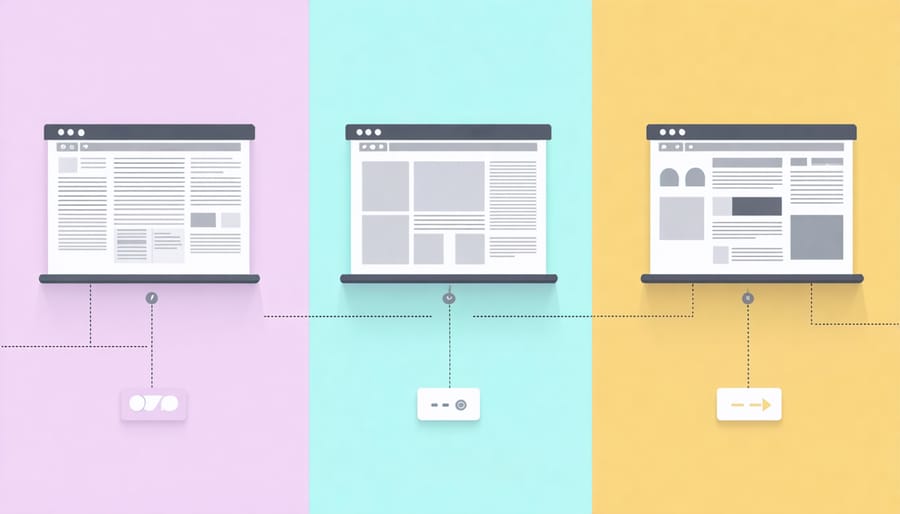
Leading brands are revolutionizing their digital presence through AI-driven personalization strategies, delivering tailored experiences that significantly boost engagement and conversion rates. Netflix exemplifies this approach, using AI algorithms to customize thumbnail images and content recommendations for each viewer, resulting in a 75% increase in viewer engagement.
Amazon’s dynamic content optimization system analyzes customer behavior patterns to automatically adjust product descriptions, images, and pricing, leading to a 35% improvement in conversion rates. Their AI-powered recommendation engine drives 35% of total sales through personalized product suggestions.
In the B2B sector, Adobe’s Experience Platform demonstrates the power of AI-driven content optimization. Their system analyzes customer interactions across multiple touchpoints to deliver personalized email campaigns and website content. This resulted in a 50% increase in email open rates and a 38% boost in click-through rates.
Smaller businesses are also achieving remarkable results. Online retailer Thread uses AI to analyze customer style preferences and browsing behavior, automatically generating personalized clothing recommendations and email content. This approach increased their customer engagement by 40% and reduced cart abandonment rates by 30%.
These success stories highlight how AI-powered content optimization can transform marketing effectiveness, whether you’re a global enterprise or a growing business. The key lies in leveraging customer data intelligently to create meaningful, personalized experiences at scale.
Smart Product Recommendations
AI-powered product recommendations have revolutionized the way online retailers engage with their customers. Amazon, a pioneer in this space, attributes up to 35% of its revenue to its recommendation engine, which analyzes customer browsing history, purchase patterns, and similar user behaviors to suggest relevant products.
Netflix demonstrates another successful implementation, with its recommendation system saving the company an estimated $1 billion annually in customer retention. The platform analyzes viewing habits, ratings, and user preferences to suggest content that keeps subscribers engaged, resulting in a 90% success rate for personalized recommendations.
Spotify’s “Discover Weekly” feature showcases how AI can transform user experience in the music industry. By analyzing listening patterns and user behavior, the platform creates personalized playlists that have led to a 30% increase in user engagement and higher subscription retention rates.
Fashion retailer ASOS uses visual AI to recommend products based on style preferences and previous purchases. Their recommendation engine analyzes product images and user behavior to suggest complementary items, leading to a 20% increase in average order value.
Implementation tips for businesses:
– Start with basic collaborative filtering
– Incorporate real-time user behavior data
– Test and refine recommendation algorithms regularly
– Monitor key metrics like conversion rates and average order value
– Ensure recommendations are mobile-responsive
These smart recommendation systems typically show a 10-30% increase in conversion rates when properly implemented, making them a valuable addition to any digital marketing strategy.
AI-Powered Social Media Marketing
Content Creation and Curation
AI tools are revolutionizing how businesses create and manage social media content. Platforms like Jasper.AI and Copy.ai help generate engaging posts, captions, and headlines tailored to different social media platforms. These tools analyze successful content patterns and user engagement data to suggest optimal posting times and content formats.
AI-powered social media optimization tools like Hootsuite Insights and Sprout Social now incorporate machine learning to analyze audience behavior and predict content performance. For example, Buffer’s AI features can automatically generate image descriptions and hashtag recommendations based on visual content analysis.
Content curation has also been transformed by AI algorithms. Tools like Curata and Paper.li use natural language processing to scan thousands of sources and identify relevant industry content worth sharing. These platforms learn from user interactions to refine their recommendations over time.
Many businesses are using AI-powered tools like Canva’s Magic Write and Lately.ai to repurpose long-form content into multiple social media posts. These tools maintain brand voice consistency while adapting content for different platforms and audience segments. For instance, a single blog post can be automatically transformed into LinkedIn articles, Twitter threads, and Instagram carousel posts, complete with platform-specific formatting and engagement hooks.
Automated Campaign Management
Meta’s success story demonstrates the power of AI in campaign management, where their automated ad optimization system increased ROI by 32% across multiple business accounts. The AI system continuously analyzes performance metrics, adjusts bid strategies, and reallocates budgets in real-time to maximize results.
Fashion retailer ASOS implemented an AI-driven campaign management solution that automatically optimized ad placements and creative elements across social media platforms. The system analyzed historical performance data and customer behavior patterns to make intelligent decisions about ad scheduling and targeting. Within three months, ASOS reported a 27% improvement in conversion rates and a 15% reduction in customer acquisition costs.
HubSpot’s AI campaign manager showcases another compelling example, where machine learning algorithms automatically segment audiences and personalize ad content based on user behavior. The system tests multiple ad variations simultaneously, learning from performance data to optimize messaging and visual elements. Small businesses using this technology have seen engagement rates increase by up to 40% while reducing manual campaign management time by 60%.
These AI solutions excel at:
– Automatic budget allocation across channels
– Real-time bid adjustments
– Creative element optimization
– Performance prediction and proactive adjustments
– Cross-channel campaign coordination
The key benefit remains consistent across these examples: AI enables marketers to scale their campaigns effectively while maintaining personalization and performance optimization that would be impossible to achieve manually.
Chatbots and Customer Service AI

24/7 Customer Support Solutions
In today’s digital landscape, businesses are increasingly turning to AI customer service solutions to provide round-the-clock support while optimizing operational costs. H&M’s chatbot assists customers with size recommendations, order tracking, and product availability inquiries, handling over 40% of customer queries without human intervention. This implementation has reduced response times from hours to seconds while maintaining a 94% customer satisfaction rate.
Sephora’s Virtual Artist chatbot combines customer service with personalized beauty recommendations, helping customers find products that match their preferences and addressing common questions about application techniques and ingredient information. The bot has increased engagement rates by 11% and boosted online sales conversion by 15%.
Bank of America’s Erica serves as a virtual financial assistant, helping customers with transaction lookups, bill payments, and basic account services. Since its launch, Erica has served over 17 million users and handled more than 230 million requests, demonstrating how AI can effectively scale customer support operations.
These implementations showcase how AI chatbots can simultaneously improve customer experience and operational efficiency. Businesses report average cost savings of 30% in customer service operations while extending support availability to 24/7, making it a win-win solution for both companies and their customers.
Lead Generation and Qualification
AI-powered chatbots have revolutionized lead generation and qualification processes, delivering impressive results for businesses across various sectors. For instance, Drift’s conversational AI platform helped ServiceNow achieve a 100% increase in qualified leads while reducing response time by 99%. The chatbot effectively engages website visitors 24/7, asking qualifying questions and routing prospects to the appropriate sales representatives.
Another notable example is HubSpot’s AI chatbot implementation for Vodafone, which successfully qualified over 68% of leads automatically. The system uses natural language processing to understand customer inquiries, segment visitors based on their responses, and provide personalized recommendations, significantly reducing the workload on human sales teams.
Real estate company Century 21 implemented an AI chatbot that not only qualified potential buyers but also scheduled property viewings automatically. The system increased qualified lead generation by 40% while reducing manual qualification time by 75%. The chatbot asks specific questions about budget, preferred locations, and property requirements to ensure leads are properly qualified before human intervention.
Intercom’s Resolution Bot demonstrates how AI can nurture leads through the sales funnel. The system answers common questions, provides relevant resources, and identifies sales-ready leads based on engagement patterns. Companies using this solution report an average 60% reduction in response times and a 30% increase in qualified lead conversion rates.
Predictive Analytics in Marketing
Customer Behavior Analysis
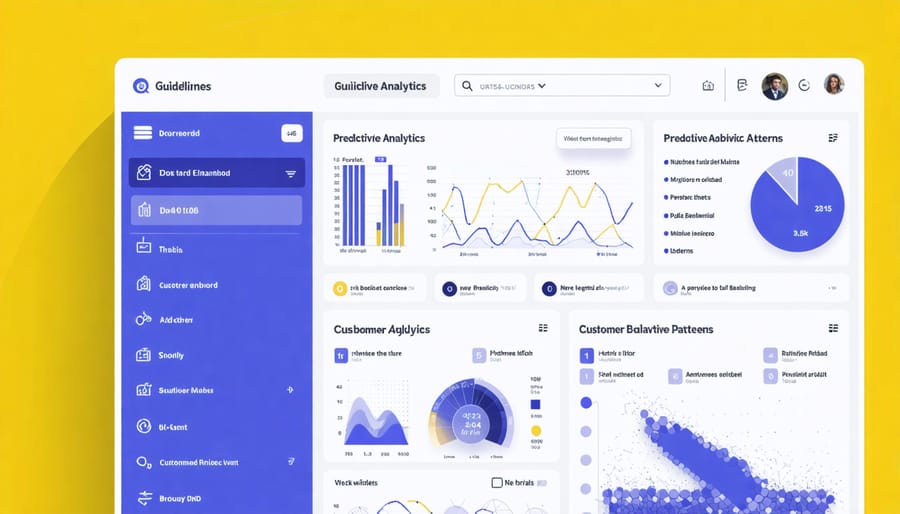
Modern AI systems are revolutionizing how businesses understand and respond to customer behavior through advanced predictive marketing analytics. Companies like Amazon and Netflix have set the standard by using AI algorithms to analyze vast amounts of customer data and predict future purchasing patterns with remarkable accuracy.
For instance, beauty retailer Sephora implemented AI-powered customer behavior analysis to personalize product recommendations, resulting in a 30% increase in conversion rates. The system analyzes past purchases, browsing history, and demographic data to suggest products that align with individual customer preferences.
Similarly, Starbucks uses AI to analyze customer purchase history, location data, and even weather patterns to send personalized offers at optimal times. Their mobile app’s AI-driven recommendation engine has contributed to a 14% increase in customer loyalty program participation.
Another compelling example is clothing retailer H&M, which uses AI to analyze store receipts, returns, and loyalty card data to optimize inventory levels and customize merchandise assortments for specific locations. This approach has reduced overstock issues by 20% and improved customer satisfaction scores.
These real-world applications demonstrate how AI-powered customer behavior analysis can deliver tangible benefits: increased sales, improved customer satisfaction, and more efficient marketing spend. The key to success lies in combining quality data with sophisticated AI algorithms to create truly personalized customer experiences.
Campaign Performance Forecasting
AI-powered campaign performance forecasting has revolutionized how marketers predict and optimize their marketing outcomes. Tools like Albert AI and Persado now leverage historical data, market trends, and consumer behavior patterns to predict campaign success rates with impressive accuracy.
For instance, a notable retail brand using predictive AI analytics saw a 35% improvement in their campaign ROI by accurately forecasting seasonal buying patterns and adjusting their ad spend accordingly. The AI system analyzed past performance data, weather patterns, and social media sentiment to predict peak shopping periods.
Marketing platforms like Pattern89 demonstrate the power of AI forecasting by analyzing billions of advertising data points to predict which creative elements will perform best. Their system can forecast ad performance with up to 95% accuracy, allowing marketers to optimize campaigns before launch.
Facebook’s Prophet tool helps marketers forecast key metrics like click-through rates and conversion rates by examining historical data and seasonal trends. Companies using this tool report up to 30% more accurate budget allocation and improved campaign timing.
These AI forecasting tools excel at:
– Predicting optimal ad placement timing
– Estimating potential conversion rates
– Forecasting campaign costs and ROI
– Identifying potential market trends
– Suggesting budget adjustments in real-time
By implementing AI forecasting, businesses can significantly reduce wasteful ad spend and maximize campaign effectiveness through data-driven predictions rather than gut feelings.
As we’ve explored throughout this article, AI is revolutionizing digital marketing in numerous impactful ways. The key to successful implementation lies in starting small and scaling gradually. Begin by identifying one or two areas where AI can provide immediate value to your marketing efforts, such as automated email personalization or chatbot implementation for customer service.
To get started with AI in your digital marketing strategy:
1. Assess your current marketing challenges and identify processes that could benefit from automation
2. Research and select AI tools that align with your specific needs and budget
3. Start with a pilot program in one marketing channel
4. Monitor results and gather data to measure ROI
5. Gradually expand AI implementation across other marketing channels
Remember that AI is meant to enhance, not replace, human creativity and strategic thinking. Focus on using AI to handle repetitive tasks, analyze data, and provide insights while maintaining the human touch in your marketing communications.
The most successful AI implementations are those that balance automation with personalization. Keep your customer experience at the forefront of any AI initiative, and ensure that your team is properly trained to work alongside AI tools effectively.
By taking a methodical approach to AI adoption and staying focused on measurable outcomes, you can transform your digital marketing efforts while maintaining authentic connections with your audience. Start small, measure results, and scale what works – this is the pathway to successful AI integration in your digital marketing strategy.
Leave a Reply