Why Quantum Computing Won’t Kill Blockchain (But Will Transform It)

Quantum computing threatens to break the encryption that secures blockchain networks, but the reality is far more nuanced than headlines suggest. Business leaders investing in blockchain technology or considering cryptocurrency integration face a critical question: will quantum computers render your blockchain infrastructure obsolete?
The answer requires understanding both the genuine security risks and the exaggerated fears circulating in tech circles. Quantum computers operate fundamentally differently from traditional machines, using quantum bits that exist in multiple states simultaneously. This capability could theoretically crack the cryptographic algorithms protecting blockchain transactions, potentially exposing billions in digital assets.
However, the timeline matters tremendously for your business planning. Current quantum computers lack the processing power to threaten blockchain security. Experts estimate we’re 10-15 years away from “cryptographically relevant quantum computers” that could break today’s encryption standards. Meanwhile, blockchain developers are already building quantum-resistant protocols.
For businesses navigating digital business transformation, this isn’t about choosing between quantum computing and blockchain. These technologies will likely coexist, with quantum-resistant blockchains emerging as the standard long before quantum threats materialize.
This article cuts through the confusion to deliver what you need: clear explanations of both technologies, realistic security timelines, and practical steps to protect your blockchain investments. You’ll learn how to evaluate quantum risks without falling for scare tactics, understand which industries face the greatest exposure, and implement forward-looking security measures today.
What Business Owners Actually Need to Know About Quantum Computing

The Real Timeline: When Quantum Becomes Your Problem
Let’s cut through the hype: quantum computers won’t suddenly break all blockchain encryption overnight. The realistic timeline for quantum threats to blockchain is 10-15 years minimum, with most experts pointing to 2030-2035 as the earliest plausible window for concern.
Here’s what businesses need to know now. Current quantum computers operate with around 100-1,000 qubits and remain highly unstable. To crack Bitcoin’s encryption, researchers estimate you’d need approximately 13 million stable qubits. We’re not even close, and progress is measured in incremental improvements, not exponential leaps.
For small to medium-sized businesses, quantum computing isn’t an immediate threat requiring urgent action today. However, it does warrant awareness and strategic planning. Think of it like cybersecurity insurance: you don’t need to panic, but you shouldn’t ignore it entirely.
The practical timeline breaks down like this. Between now and 2025, focus on understanding quantum-resistant cryptography developments and monitoring industry standards. From 2025-2030, evaluate whether your business handles sensitive data that requires long-term security beyond 15 years. If you’re managing customer data, intellectual property, or financial records that need decades of protection, start conversations with your technology partners about migration strategies.
The key takeaway? Quantum threats to blockchain are real but distant. Your business has time to prepare methodically rather than react frantically. Use this window to stay informed, build relationships with technology advisors, and incorporate quantum-readiness into your long-term digital transformation roadmap without derailing current priorities.
How Blockchain Powers Modern Business Operations
Where Your Business Already Touches Blockchain (Without Realizing It)
Your business likely interacts with blockchain technology daily, even if you don’t realize it. When you process credit card payments, many payment providers now use blockchain networks to verify transactions more quickly and reduce processing fees. Companies like Visa and Mastercard have integrated blockchain solutions into their infrastructure, making your routine payment processing more secure and efficient.
Digital advertising has become another common touchpoint. If you run online ads, platforms increasingly use blockchain to verify that your ads actually reach real people rather than bots. This verification happens automatically in the background, protecting your advertising budget from fraud without requiring any action on your part.
Customer authentication systems represent another invisible blockchain application. When clients log into your customer portal or verify their identity for support requests, blockchain-based identity verification may be working behind the scenes. This technology creates tamper-proof records of authentication attempts, reducing fraud while streamlining the login process for legitimate users.
Supply chain tracking also touches most businesses. If you order inventory or receive shipments, your suppliers might use blockchain to track products from manufacturer to your doorstep. This creates transparent records that help resolve disputes and verify product authenticity.
The key insight here is that blockchain in everyday business operations runs quietly in the background. You benefit from improved security, lower costs, and better verification without needing to understand the technical details or make significant changes to your workflows.
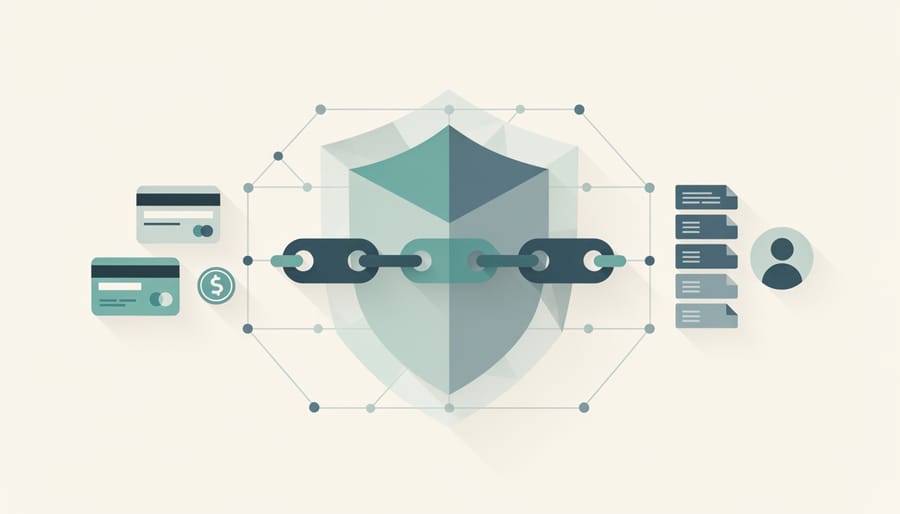
The Quantum Threat to Blockchain: Separating Fact from Fiction
What’s Actually at Risk in Your Digital Marketing Stack
Let’s be direct: most SMEs aren’t using quantum-vulnerable systems in their daily marketing operations right now. Your email marketing platform, CRM, and social media management tools rely on HTTPS encryption, which will eventually need quantum-resistant upgrades. However, your service providers will handle these updates behind the scenes, much like they currently manage security patches.
Your payment processing systems face more immediate consideration. If you accept cryptocurrency payments or use blockchain-based invoicing tools, understand that these systems may require migration to quantum-resistant alternatives within the next decade. Traditional credit card processors are already planning their quantum-safe transitions through centralized updates.
Customer data stored in cloud-based marketing automation platforms uses encryption that quantum computers could theoretically break. The realistic risk isn’t immediate exposure, but rather the potential for “harvest now, decrypt later” attacks where encrypted data stolen today gets decrypted years from now. For most SMEs, this means ensuring your marketing technology partners have published quantum readiness roadmaps.
Your website’s SSL certificates, automated email sequences, and client communication portals all use cryptographic protocols. The good news: you won’t need to rebuild these systems yourself. Major platforms like WordPress, Shopify, and HubSpot will push quantum-safe encryption updates automatically. Your action item is simpler than you think: verify your technology vendors are monitoring quantum developments and planning proactive upgrades rather than reactive fixes.
Quantum-Resistant Solutions Already in Development
Action Steps: Preparing Your Business Infrastructure
Start with what you have, not what you fear losing. The quantum threat to blockchain isn’t landing tomorrow, which means you have time to build resilience into your business infrastructure strategically.
Begin by auditing your current data security practices. Identify which systems rely on encryption and what types they use. Most businesses discover they’re already using hybrid approaches without realizing it. Document your existing infrastructure so you understand what needs protection and what’s already adaptable.
Next, establish a quarterly technology review process. Assign someone on your team to monitor developments in both quantum computing and post-quantum cryptography standards. The National Institute of Standards and Technology (NIST) is finalizing quantum-resistant encryption standards, making it easier for businesses to know when and how to upgrade.
Prioritize vendor relationships with companies committed to long-term security updates. When evaluating software providers, ask direct questions about their quantum readiness roadmap. Reputable vendors are already planning migration paths to quantum-resistant solutions.
Implement a phased upgrade strategy rather than wholesale replacement. Focus first on systems handling the most sensitive data, particularly customer information and financial records. This approach spreads costs over time while protecting critical assets first.
Consider blockchain solutions that are already experimenting with quantum-resistant features. Some platforms are building hybrid models that can adapt as standards evolve, helping businesses future-proof their digital operations without constant overhauls.
Finally, communicate transparently with clients about your security commitments. Share your infrastructure improvement timeline in customer newsletters or on your website. This builds trust and positions your business as forward-thinking without creating unnecessary alarm about current systems.
How Quantum Computing and Blockchain Will Work Together

Real Business Applications on the Horizon
While full quantum-enhanced blockchain systems remain years away, several practical applications are emerging that business owners should monitor.
Marketing attribution stands to benefit significantly from quantum-blockchain integration. Current attribution models struggle with data fragmentation across multiple platforms and privacy regulations. Quantum computing could process complex customer journey data while blockchain maintains transparent, immutable records of each touchpoint. This combination would give you clearer insights into which marketing channels actually drive conversions, eliminating the guesswork that costs businesses millions in wasted ad spend.
For customer data security, quantum-resistant blockchain protocols are already in development. Companies handling sensitive customer information will need these systems as quantum computers become more powerful. The transition involves upgrading encryption methods now, not waiting until quantum threats materialize. Forward-thinking businesses are beginning to audit their data security infrastructure and planning migration timelines.
In terms of business process automation, quantum-enhanced smart contracts could execute complex conditional logic faster and more reliably. Think automated supplier payments that verify multiple conditions simultaneously, or customer onboarding workflows that process identity verification across blockchain networks in seconds rather than days.
The key takeaway: start preparing your infrastructure now. Evaluate which processes handle sensitive data, assess current encryption standards, and build relationships with technology partners who understand both quantum computing and blockchain. Early preparation costs far less than emergency upgrades when quantum threats become reality.
The relationship between quantum computing and blockchain isn’t a simple battle between opposing forces. Instead, it represents an evolving technological landscape where challenges and opportunities coexist. While quantum computing does pose theoretical risks to current blockchain encryption methods, the timeline for practical threats remains measured in years, not months.
For business owners and marketing professionals, the key takeaway is clear: stay informed without falling into panic mode. The quantum threat to blockchain security is real but distant enough that immediate overhauls aren’t necessary. What matters most is maintaining awareness while focusing on your current digital transformation priorities.
Rather than viewing quantum computing as blockchain’s nemesis, consider how both technologies might enhance your business operations in different ways. Blockchain continues to offer valuable solutions for transparent transactions, automated processes, and secure data management. Meanwhile, quantum computing developments deserve monitoring as they could eventually revolutionize data processing capabilities.
Your best approach involves partnering with knowledgeable technology providers who actively track these trends and understand their business implications. Look for partners who can explain complex concepts in straightforward terms and help you make informed decisions based on your specific needs, not fear-based marketing.
The digital landscape constantly evolves, and staying competitive means adapting thoughtfully rather than reactively. Focus on implementing proven technologies that solve today’s challenges while remaining open to emerging solutions. By maintaining this balanced perspective and working with trusted advisors, you’ll position your business to navigate technological changes confidently, regardless of how the quantum computing and blockchain relationship unfolds.
Leave a Reply