How Digital Ethics Protects Your Business (And Your Bottom Line)

Digital ethics isn’t a theoretical concern—it’s the framework that determines whether customers trust you with their data, engage with your content, or abandon your business for competitors. Every automated email sequence, AI-powered chatbot interaction, and data collection point in your business creates an ethical decision point that directly impacts your bottom line.
Consider this: 86% of consumers say their purchase decisions are influenced by how companies handle their personal information. Yet most businesses implementing digital transformation lack clear digital ethics guardrails, leaving them vulnerable to compliance violations, reputational damage, and customer attrition. The gap between automation capabilities and ethical implementation has never been wider.
This isn’t about philosophy—it’s about practical application. When your marketing automation platform sends personalized emails based on browsing behavior, you’re making ethical choices about data use. When your AI assistant responds to customer inquiries, you’re deciding whether to disclose its non-human identity. When your social media campaigns target specific demographics, you’re determining acceptable boundaries for persuasion.
The examples ahead demonstrate exactly what digital ethics looks like in everyday business operations. You’ll see concrete scenarios spanning data privacy, AI transparency, advertising practices, social media engagement, and digital accessibility—each directly applicable to your automated processes and client communication strategies. These aren’t aspirational ideals; they’re actionable standards that protect your business while building lasting customer relationships.
What Digital Ethics Actually Means for Your Business
Digital ethics is simply the practice of using technology responsibly in ways that respect your customers, protect their information, and maintain their trust. In practical terms, it means making thoughtful decisions about how you collect data, deploy automated tools, communicate with clients, and represent your business online.
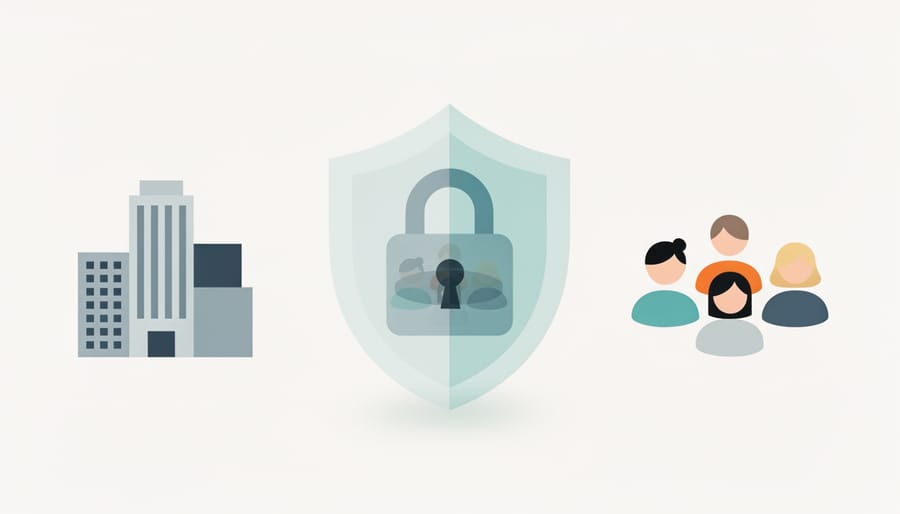
Think of digital ethics as the intersection where three critical business elements meet: your technology choices, your customers’ expectations, and legal requirements. When you automate your email marketing, for instance, you’re making ethical decisions about frequency, personalization, and consent. When you implement chatbots for customer service, you’re deciding whether to disclose that customers are talking to AI rather than humans. These aren’t just technical choices—they’re ethical ones that directly impact customer relationships.
For your business, digital ethics translates into concrete practices. It means being transparent about what data you collect and why. It involves ensuring your automated marketing processes respect user preferences and privacy settings. It requires honest communication about how you use customer information to personalize their experience.
The stakes are straightforward: customers notice how you treat their data and privacy. Research consistently shows that businesses perceived as ethical enjoy stronger customer loyalty, while those that mishandle digital trust face backlash, lost revenue, and potential legal consequences.
Digital ethics isn’t about perfection or adopting every new privacy technology. It’s about making informed, principled decisions that align with both regulatory requirements and customer expectations. When you integrate ethical considerations into your digital operations from the start, you build a foundation for sustainable growth and customer trust that competitors struggle to replicate.
Data Privacy and Customer Information Protection
Email Marketing and Consent Management
Email marketing remains one of the most powerful channels for business growth, but ethical consent management is non-negotiable. Under GDPR and CAN-SPAM regulations, businesses must obtain explicit permission before sending marketing communications.
Proper consent practices include using double opt-in systems where subscribers confirm their email address and preferences through a verification link. This automated process protects your business from compliance issues while building a quality subscriber list. For example, when users sign up, they should see clear checkboxes for different communication types—newsletters, product updates, promotional offers—rather than pre-checked boxes that assume consent.
Improper practices include purchasing email lists, adding contacts without permission, or hiding unsubscribe options. These tactics damage your reputation and violate regulations, potentially resulting in significant fines.
Your automated systems should make opt-out as simple as opt-in. Include visible unsubscribe links in every email, process requests immediately, and maintain preference centers where subscribers control their communication frequency. This transparency directly impacts customer experience transformation by demonstrating respect for recipient autonomy.
Document all consent records with timestamps and source information. This audit trail proves compliance and protects your business during regulatory reviews.
Website Tracking and User Transparency
Ethical website tracking starts with implementing cookie consent banners that allow genuine user choice before data collection begins. Rather than using pre-checked boxes or confusing language, provide clear options that explain what each category of cookies does—essential site functions, analytics, or marketing purposes. This transparency respects user autonomy while maintaining your ability to gather meaningful insights.
For analytics implementation, focus on collecting only data that serves specific business purposes. Configure your analytics tools to anonymize IP addresses automatically, respect Do Not Track signals, and set reasonable data retention periods. Many businesses successfully use privacy-focused analytics platforms that provide valuable insights without compromising user privacy or requiring extensive cookie consent.
Your privacy policy should be accessible from every page and written in plain language that business owners can actually understand. Break down what data you collect, why you need it, how long you keep it, and who has access. Include concrete examples: “We use your email address to send order confirmations and occasional product updates” is far clearer than vague statements about “improving user experience.”
Communicate tracking practices proactively through automated email sequences when customers sign up. This approach builds trust by demonstrating respect for user privacy before issues arise, positioning your business as a transparent partner rather than a data collector operating in the shadows.

Ethical AI and Automation in Marketing
Chatbots and Automated Customer Service
Modern chatbots demonstrate digital ethics when they clearly identify themselves as automated systems from the first interaction. Rather than deceiving customers into thinking they’re chatting with humans, ethical businesses program their bots to introduce themselves with messages like “Hi, I’m an automated assistant” or display a bot icon throughout the conversation.
Quality communication doesn’t suffer from this transparency. AI-powered automation can handle routine inquiries efficiently while offering seamless handoffs to human representatives for complex issues. The key is setting clear expectations about what the bot can and cannot do.
For example, a well-designed chatbot might state: “I can help you track orders, update account information, or answer product questions. For billing concerns, I’ll connect you with our team.” This approach respects customer time and builds trust through honesty.
Additionally, ethical chatbots store conversation data responsibly, inform users about data collection practices, and provide opt-out options. They never manipulate users into sharing unnecessary personal information or making impulse purchases through deceptive tactics. By combining transparency with functional efficiency, businesses create automated customer service that enhances rather than erodes customer relationships.
Personalization Without Exploitation
Personalization becomes ethical when it solves customer problems rather than manipulates behavior. Netflix recommends shows based on viewing history to enhance user experience, not to maximize screen time at the expense of well-being. This approach respects user autonomy while delivering value.
Contrast this with manipulative targeting: a gambling app sending push notifications when AI detects a user is likely vulnerable, or an e-commerce platform inflating prices for customers it identifies as less price-sensitive. These practices exploit data for profit without customer benefit.
Ethical personalization in automated marketing means using purchase history to suggest genuinely relevant products or sending appointment reminders that respect customer preferences for communication frequency. It’s transparent about data usage and allows customers to control their experience.
The key difference lies in intent and transparency. Ask yourself: does this personalization help customers make better decisions, or does it exploit their vulnerabilities? Are customers aware of how their data creates these experiences? Can they easily opt out?
Implement automated systems that prioritize customer value over conversion metrics alone. Use preference centers where clients control what data you collect and how you communicate. This builds trust while maintaining the efficiency of personalized marketing, creating sustainable customer relationships rather than short-term gains through manipulation.
Honest Digital Advertising Practices
Transparent Sponsored Content and Disclosures
Transparent sponsored content builds trust while meeting legal requirements. The Federal Trade Commission requires clear disclosure when content is sponsored, and leading brands demonstrate this principle effectively.
Instagram influencers now use platform-specific disclosure tools like the “Paid partnership with” tag, making sponsorships immediately visible. For example, fitness influencers who promote nutrition products place disclosure statements in the first three lines of captions, ensuring visibility before the “more” cutoff. This approach satisfies both algorithmic requirements and ethical standards.
Native advertising succeeds when publications like BuzzFeed and The Atlantic clearly label sponsored content as “Partner Content” or “Sponsored by” in distinct fonts and colors. These labels appear at the top of articles, not buried in fine print.
Email marketing platforms automate disclosure compliance by including required language in templates. When promoting affiliate products or partnerships, businesses should configure their systems to automatically insert disclosures, ensuring consistent compliance across campaigns.
The key is making disclosures noticeable and understandable. Use plain language like “We earn a commission from this link” rather than vague terms like “affiliate relationship.” Automated workflows can standardize these disclosures across your marketing channels, protecting your business while maintaining customer trust through transparent communication practices.
Avoiding Dark Patterns in Web Design
Dark patterns manipulate users into actions they didn’t intend, damaging trust and potentially violating regulations. Common tactics to eliminate include hidden costs that appear only at checkout, disguised advertisements that look like content, and deliberately confusing unsubscribe processes.
Forced continuity is particularly problematic. This occurs when free trials automatically convert to paid subscriptions without clear warning or require credit card details upfront with no email reminder before charging. Instead, send automated reminder emails 48 hours before trial expiration, clearly stating the charge date and amount.
Confirmshaming—using guilt-laden language like “No, I don’t want to save money”—is another manipulative tactic. Replace this with neutral opt-out language: “Continue without discount” or simply “No thanks.”
Sneaking items into shopping carts, such as pre-checked insurance boxes or bundled products, violates user autonomy. Ensure all purchases require explicit opt-in actions.
Ethical alternatives that maintain conversion rates include transparent pricing displayed upfront, straightforward cancellation processes accessible within two clicks, and honest scarcity indicators only when genuinely limited. Use clear, affirmative language for consent requests and provide easy access to privacy settings.
Automated processes should prioritize user control. Configure your systems to send clear confirmation emails for subscriptions, purchases, and account changes. This transparency builds long-term customer relationships that outperform short-term deceptive gains while protecting your business from regulatory penalties and reputation damage.

Social Media Ethics and Brand Authenticity
Authentic Engagement vs. Fake Followers
Purchasing fake followers might seem like a shortcut to credibility, but it damages your business more than it helps. When skincare brand Sunday Riley got caught using employees to post fake reviews, they faced FTC action and significant reputation damage. The cost of rebuilding trust far exceeded any short-term gains.
In contrast, companies that invest in authentic engagement see measurable results. Glossier built a billion-dollar brand by genuinely engaging with their community, responding to customer feedback, and creating products their audience actually wanted. Their approach demonstrates that real followers translate to real revenue.
The business case is clear: authentic audiences deliver higher conversion rates, better customer retention, and valuable feedback for product development. Automated tools can help manage genuine engagement at scale through scheduled responses and automated follow-ups to real inquiries, but they should never replace authentic interaction. Track engagement rates rather than follower counts to measure true audience quality. Remember, 1,000 engaged followers who trust your brand will always outperform 10,000 fake accounts that never convert.
Handling Customer Complaints Publicly
When customer complaints surface on social media or review platforms, your response demonstrates your ethical standards to a wider audience. Transparent, timely communication can transform a negative situation into a trust-building opportunity.
Address complaints publicly within 24 hours, acknowledging the issue without deflecting blame. Provide a clear explanation of what happened and outline specific steps you’re taking to resolve it. For automated email campaigns that malfunction or send incorrect information, immediately post a public acknowledgment and offer concrete remedies.
Take detailed discussions offline by providing direct contact information, but always follow up publicly once resolved. This shows other customers you follow through on commitments. Avoid deleting negative comments unless they violate platform policies—transparency means accepting criticism gracefully.
Document your crisis communication protocols so your team responds consistently across all channels. Automated monitoring tools can alert you to complaints requiring immediate attention, ensuring no customer feels ignored. Remember, potential customers evaluate how you handle problems as much as they assess your products or services.
Accessibility and Digital Inclusion
Digital accessibility isn’t just about compliance—it’s about ensuring your marketing reaches everyone. Start by implementing alt text for all images on your website and in email campaigns. Describe what’s in the image clearly and concisely so screen readers can convey the information to visually impaired users. For example, instead of “image123.jpg,” use “woman using laptop to review analytics dashboard.”
Structure your content with proper heading hierarchy (H1, H2, H3) to help assistive technologies navigate your pages logically. This simple practice improves both accessibility and SEO simultaneously.
Ensure your automated email marketing templates use sufficient color contrast—at least 4.5:1 for normal text. Tools like WebAIM’s Contrast Checker make this verification quick and straightforward. Avoid relying solely on color to convey important information; use text labels or icons alongside color coding.
Make video content accessible by adding captions and transcripts. When you automate social media posts with videos, include these accessibility features from the start rather than as an afterthought. This expands your audience and demonstrates respect for all potential customers.
Test your website’s keyboard navigation. Users who cannot use a mouse should be able to access all features using only a keyboard. Ensure forms include clear labels and error messages that screen readers can interpret.
Consider implementing an accessibility statement on your website that outlines your commitment and provides contact information for users who encounter barriers. This transparency builds trust and shows you’re actively working toward digital inclusion, not just meeting minimum standards.

Building an Ethical Digital Framework That Works
Creating a practical digital ethics framework doesn’t require extensive legal expertise or complex compliance teams. Start by conducting a simple data audit—map what customer information you collect, where it’s stored, and who has access. This baseline understanding reveals potential vulnerabilities and helps prioritize your ethical safeguards.
Next, implement automated compliance checkpoints within your existing workflows. For example, configure your email marketing platform to automatically flag campaigns that lack unsubscribe options or proper consent documentation. Set up automated reminders for privacy policy reviews every six months. These simple automations prevent ethical lapses without adding manual oversight burden.
Develop a one-page ethics checklist for common business activities. When launching new AI-powered chatbots, ask: Does it disclose it’s not human? When collecting customer data, confirm: Do we have explicit consent? When targeting ads, verify: Are we excluding protected groups? This practical tool keeps teams aligned without requiring extensive training sessions.
For team education, skip lengthy seminars in favor of scenario-based microlearning. Send monthly five-minute case studies showing real situations your team might encounter—like handling customer data requests or responding to negative reviews. Make it conversational and directly relevant to their daily tasks.
implementing ethical frameworks becomes sustainable when integrated into existing processes rather than treated as separate initiatives. Assign one team member as your ethics champion—not to police behavior, but to answer questions and update practices as technology evolves.
Finally, communicate your ethical commitments transparently to customers. A simple “How We Protect Your Data” page builds trust and differentiates your brand while holding your team accountable to stated standards.
Digital ethics extends far beyond checking regulatory boxes—it’s a strategic business asset that directly impacts your bottom line. When you prioritize ethical practices in your automated systems and client communications, you’re building a foundation of trust that translates into measurable results: higher customer retention rates, reduced legal exposure, and stronger brand reputation in an increasingly skeptical marketplace.
The competitive advantage becomes clear when customers choose businesses they trust with their data. Companies that automate ethically—with transparent consent processes, clear privacy policies, and accessible communications—see improved engagement metrics and longer customer lifecycles. Meanwhile, businesses that cut corners face costly penalties, damaged reputations, and customer churn that no marketing campaign can fix.
As you implement automation in your business operations, remember that ethical considerations should drive your technology decisions, not follow them. Build transparency into your automated workflows, ensure your client communications clearly explain data usage, and regularly audit your digital practices. This proactive approach doesn’t just protect you from risks—it positions your business as a leader customers want to support, creating sustainable growth that compounds over time.
Leave a Reply