Why Your YouTube Content Strategy Fails After 90 Days (And How to Build One That Lasts)

Build your YouTube content calendar in reverse by starting with your business goals, not trending topics. Map each video to a specific conversion point in your customer journey—whether that’s booking a discovery call, downloading a resource, or making a purchase. This approach ensures every piece of content serves a measurable purpose rather than chasing vanity metrics like views.
Create a content framework that generates ideas automatically rather than brainstorming from scratch each week. Develop three to five repeatable video formats tied to your core offerings: customer success stories, common objection handlers, product demonstrations, industry myth-busters, or quick-win tutorials. When you systematize your video marketing strategy around these formats, you eliminate creative paralysis and maintain consistency without burning out.
Batch-produce content in focused sessions to maximize efficiency and maintain quality. Record four to six videos in a single day using the same setup, wardrobe, and energy level. This production method reduces the friction of constant context-switching and allows you to build a content buffer that protects against business disruptions or seasonal slowdowns.
Repurpose each YouTube video into five additional assets before you hit publish: pull three short clips for YouTube Shorts or social media, transcribe the content for blog posts or email newsletters, extract quotable insights for LinkedIn posts, create thumbnail variations for A/B testing, and develop a follow-up email sequence for viewers. This multiplication strategy extends your content’s reach without multiplying your workload.
The difference between sustainable YouTube growth and channel abandonment isn’t talent or budget—it’s having systems that work with your business constraints rather than against them.
The Real Cost of Unsustainable YouTube Content

Why Most Businesses Quit YouTube Within Six Months
The statistics are sobering: most businesses abandon their YouTube channels before hitting the six-month mark. Understanding why helps you avoid the same pitfalls.
The first mistake is overcommitting to unrealistic production schedules. Many businesses launch with ambitious plans for weekly or bi-weekly videos without considering the actual time investment required. Professional-quality video production demands scripting, filming, editing, and optimization. Without automated systems in place, this workload quickly becomes unsustainable alongside regular business operations.
The second culprit is trend-chasing without strategic foundation. Businesses see viral videos in their industry and attempt to replicate them, bouncing between different content styles and topics. This reactive approach leads to an inconsistent channel identity and confused audience. Viewers subscribe expecting specific value, and when your content lacks clear direction, they disengage.
The third reason is the absence of supporting infrastructure. Successful YouTube strategies require more than creative ideas. They need content calendars, template systems for faster production, batch recording schedules, and clear processes for client communication when featuring customer stories or case studies. Without these automated processes, every video feels like starting from scratch, leading to burnout.
The businesses that thrive past six months share a common trait: they build sustainable systems before ramping up production. They focus on repeatable frameworks that reduce decision fatigue and create content efficiently. This systematic approach transforms YouTube from an overwhelming obligation into a manageable business asset that generates consistent returns.
The Hidden Drain on Your Marketing Resources
A poorly planned YouTube strategy costs more than just your time. Consider the real numbers: your marketing team spends 15-20 hours monthly creating videos that generate minimal engagement, translating to roughly $2,000-$3,000 in wasted labor costs per month for small businesses. That’s $36,000 annually producing content that doesn’t move the needle.
Beyond direct costs, inconsistent posting damages your credibility with potential clients. When prospects research your business and find sporadic uploads or abandoned channels, it signals unreliability. Your team experiences this drain too. Content creators face burnout cycling through endless video ideas without clear direction, while stakeholders grow frustrated seeing poor ROI on their investment.
The opportunity cost compounds further. Every hour spent scrambling for content ideas or re-editing videos is time not spent on lead nurturing or client communication. Most businesses lack automated processes to streamline production, meaning each video becomes a custom project requiring extensive planning, approval chains, and revisions. This reactive approach prevents your team from focusing on strategic initiatives that actually generate revenue, creating a cycle of busy work that feels productive but delivers minimal business impact.
Building Your Sustainable YouTube Content Foundation
Content Pillars That Actually Work
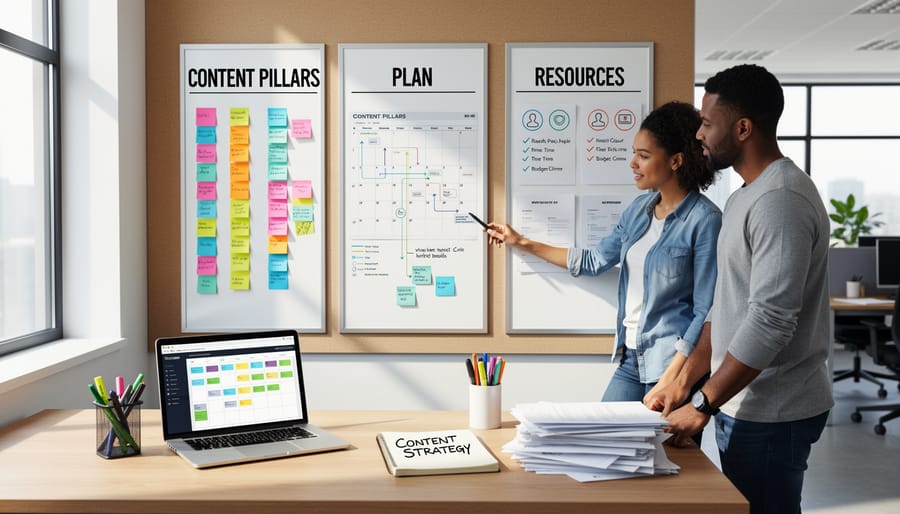
Content pillars are the backbone of a sustainable YouTube strategy, preventing the scattered approach that exhausts resources and confuses your audience. Think of them as 3-5 core themes that align with both your audience’s needs and your business expertise.
Start by analyzing your customer conversations and support tickets. What questions come up repeatedly? What problems do your clients struggle to solve? Cross-reference these patterns with your unique expertise and service offerings. For example, if you’re a marketing agency, your pillars might include “client communication strategies,” “campaign performance analysis,” and “automation workflows for small teams.”
This focused framework serves two critical purposes. First, it establishes topical authority with YouTube’s algorithm. When you consistently publish content within defined categories, the platform recognizes your channel as a reliable source, improving your discoverability. Second, it streamlines your production process. Instead of brainstorming from scratch each week, you’re simply creating the next iteration within an established pillar.
The key is maintaining strategic alignment. Each pillar should connect directly to your business objectives. If a potential video idea doesn’t fit within your established pillars, it’s likely a distraction. This discipline prevents content sprawl and ensures every video you produce serves both your audience’s needs and your business goals. Document your pillars clearly and review them quarterly to ensure they remain relevant as your business evolves.
Realistic Production Schedules You Can Maintain
Your publishing schedule should reflect your actual capacity, not aspirational goals that lead to burnout. Start by conducting an honest resource audit. Calculate how many hours your team can realistically dedicate to video production each week, accounting for filming, editing, optimization, and promotion.
For most small to medium-sized businesses, one high-quality video per week proves more sustainable than daily uploads of mediocre content. Quality consistently outperforms quantity in building engaged audiences and driving business results. A single well-researched, professionally produced video generates more qualified leads than five rushed productions.
Create a content calendar that builds in buffer time. If you commit to weekly uploads, produce content at least two weeks ahead. This cushion protects your schedule when unexpected business priorities arise, preventing the stress of last-minute scrambles that compromise quality.
Consider batching your production process. Film multiple videos in a single session, then schedule editing and publishing across several weeks. This approach maximizes efficiency and maintains consistency even during busy periods. Many successful business channels film their entire month’s content in one or two dedicated production days.
Track your production time meticulously for the first month. You’ll likely discover tasks take longer than anticipated. Use these insights to refine your schedule and identify opportunities for automation, whether through templates, scheduling tools, or delegating specific tasks.
Remember that consistency matters more than perfection. Your audience values reliable delivery over flawless execution. A sustainable schedule you actually maintain builds trust and algorithmic favor far better than sporadic bursts of activity.
Automation Points That Save Hours Every Week
Smart automation transforms YouTube management from a time drain into an efficient system. Start with thumbnail creation workflows using tools like Canva’s batch processing to generate consistent designs in minutes rather than hours. Set up description templates with pre-written sections for CTAs, links, and standard information that only require video-specific customization. Automate playlist updates by configuring rules that sort new uploads into relevant categories automatically, keeping your channel organized without manual intervention. Schedule weekly analytics reports to arrive in your inbox with key metrics—watch time, traffic sources, and engagement rates—eliminating the need to log into YouTube Studio repeatedly. These automated processes free up 3-5 hours weekly, allowing you to focus on content creation and client communication. The key is building these systems once and letting them run consistently, creating sustainable growth without constant manual oversight.
Content Recycling: Your Competitive Advantage

The One Video, Multiple Assets Approach
Your YouTube videos represent significant time and resource investment. The key to maximizing their value lies in transforming each video into multiple content assets that work across different platforms.
Start with your published YouTube video as the source material. Extract the audio file and send it through a transcription service to create a written version. This transcript becomes your foundation for repurposing.
Transform the transcript into a comprehensive blog post by adding context, expanding on key points, and including relevant visuals. This creates valuable written content that improves your search visibility while serving audiences who prefer reading over watching.
Next, identify 3-5 key moments from your video that deliver standalone value. These become short-form social media clips for LinkedIn, Instagram, or TikTok. Pull compelling quotes from the transcript to create graphics or carousel posts that drive traffic back to the full video.
Your email list benefits from this approach too. Use video highlights as newsletter content, embedding clips or linking to the full video while providing additional insights in written form.
This systematic approach to content distribution ensures maximum reach without creating content from scratch each time. Consider automating parts of this workflow using project management tools that trigger tasks once a video publishes. Assign team members specific responsibilities—transcription, blog writing, social clip creation—so the process runs smoothly without requiring constant oversight.
One video becomes 10-15 content pieces across multiple channels, multiplying your investment’s return.
Evergreen vs. Trending: Finding Your Balance
The most sustainable YouTube strategies follow the 80/20 rule: dedicate 80% of your content to evergreen topics and 20% to trending subjects. This balance ensures consistent long-term traffic while capitalizing on timely opportunities.
Evergreen content addresses persistent problems your audience faces. Think “how-to” guides, foundational concepts, and solutions to recurring challenges in your industry. These videos continue attracting viewers months or years after publication, building a reliable traffic foundation without constant content creation.
The remaining 20% allows you to stay relevant and engage current conversations in your field. When industry news breaks or seasonal topics emerge, you’re positioned to capture that immediate search interest. However, trends require quick execution and typically have shorter lifespans.
For business owners managing limited resources, this approach prevents burnout. Your evergreen library works continuously in the background, generating views and leads while you’re focused elsewhere. Meanwhile, selective trend participation keeps your channel fresh without demanding daily content production.
Start by identifying five to seven core topics your ideal clients consistently search for. Build your evergreen foundation around these subjects first. Then allocate one video per month to timely topics that align with your expertise. This measured approach maintains consistency while protecting your time and resources.
Performance Metrics That Matter for Sustainability
Beyond Views: Tracking Engagement and Retention
View counts look impressive on paper, but they don’t tell you whether your channel is actually building a sustainable audience. The metrics that matter most are watch time, audience retention rate, and return viewer percentage. Watch time signals to YouTube’s algorithm that your content holds value, directly influencing your visibility in recommendations and search results.
Track your average view duration and audience retention graphs to identify where viewers drop off. If you’re losing 70% of viewers in the first 30 seconds, your hook needs work. If they’re staying through 60% of your video, you’re creating content that resonates.
Return viewer percentage reveals whether you’re building a loyal audience or just attracting one-time clicks. Aim for 30-40% return viewers as a healthy baseline. Click-through rates on your calls-to-action indicate whether viewers are taking the next step in your business funnel, whether that’s visiting your website, downloading a resource, or booking a consultation.
Set up automated tracking dashboards to monitor these metrics weekly. This data-driven approach allows you to refine your content strategy systematically rather than guessing what works, saving you time while improving results.
Connecting YouTube Performance to Business Goals
YouTube success means nothing if it doesn’t impact your bottom line. Start by mapping specific performance metrics to concrete business objectives. For lead generation, track how many viewers click through to landing pages, complete contact forms, or book consultations. Monitor referral traffic in Google Analytics and assign monetary values to these conversions.
For brand awareness goals, measure watch time, subscriber growth rate, and share of voice in your industry. Track branded search increases following video launches. Set up UTM parameters on every video link to understand which content drives qualified traffic to your website.
Calculate cost per lead by dividing your content production investment by leads generated. Compare this to other marketing channels to demonstrate ROI clearly. Present stakeholders with quarterly reports showing direct correlations between video topics and sales pipeline growth.
Automate these tracking processes using YouTube Analytics API integrations with your CRM. This creates transparent reporting that shows exactly how your content strategy contributes to revenue, making budget conversations straightforward and data-driven rather than speculative.
Maintaining Momentum Without Burning Out
Building Your Content Buffer System
A content buffer protects your publishing schedule from the inevitable disruptions of business operations. Start by creating a rolling backlog of at least four to six weeks of ready-to-publish videos. This cushion ensures consistency even when client demands, team changes, or market shifts require immediate attention.
Implement batching strategies to maximize efficiency. Block dedicated production days where you film multiple videos in succession. A single recording session with proper preparation can yield four to eight videos, depending on complexity. Prepare scripts, visuals, and talking points in advance to maintain momentum during filming.
Structure your batching around content themes or series. Recording related topics together reduces setup time and mental context-switching. For example, film all customer FAQ videos in one session or batch seasonal content months ahead.
Establish a review and approval workflow that processes content systematically. Create templates for thumbnails, titles, and descriptions during batching sessions to streamline the publishing process. This assembly-line approach transforms content creation from a daily scramble into a predictable, manageable process.
Set calendar reminders to replenish your buffer quarterly. Track which batched content performs best to inform future production decisions. This systematic approach frees your team to focus on client communication and strategic initiatives while maintaining consistent YouTube presence.
When and How to Adjust Your Strategy
Your YouTube strategy needs adjustment when you see consistent declining performance over 4-6 weeks, not just day-to-day fluctuations. Key warning signs include dropping average view duration (below 40% for most content types), declining click-through rates on thumbnails (under 2-3%), or stagnant subscriber growth despite regular uploads.
Before making changes, verify your data tells a complete story. Review analytics across multiple metrics rather than reacting to a single number. Check if external factors like seasonality or algorithm updates affected multiple creators in your niche.
When adjustment is needed, test one variable at a time. Change your thumbnail style, adjust video length, or modify your opening hook, but never overhaul everything simultaneously. This approach lets you identify what actually works.
Stay the course when you’re within your first 20-30 videos. Early content rarely reflects your channel’s potential, and premature pivoting prevents you from developing consistency. Similarly, if you’ve recently changed direction, allow 8-10 videos to establish pattern data before evaluating results.
Document your strategy decisions and create automated reporting systems to track performance consistently. This removes emotion from decision-making and helps identify genuine trends versus temporary dips.
Sustainable Growth Through Strategic Collaboration
Guest Content and Collaboration Opportunities
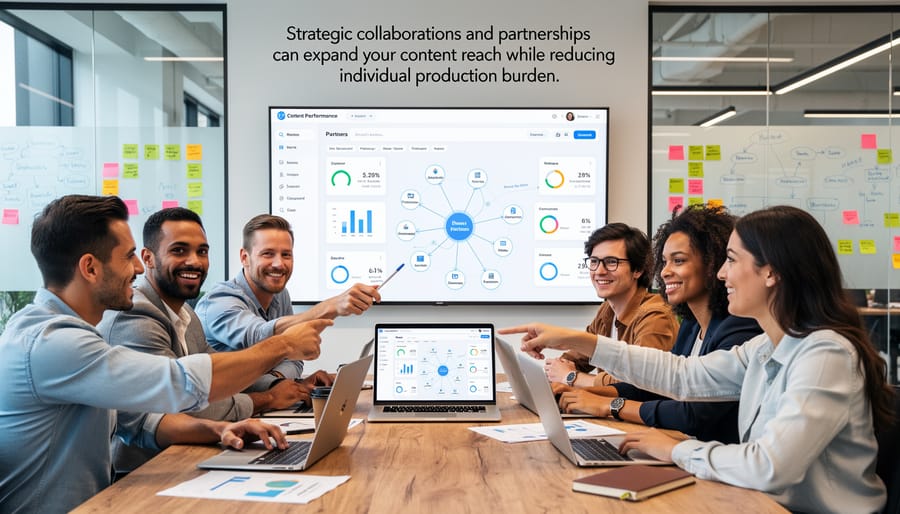
Strategic collaborations can significantly reduce content creation pressure while introducing your channel to new audiences. Start by identifying potential collaborators whose audience demographics align with yours but aren’t direct competitors. Look for channels with engagement rates above 3% and comment sections that reflect genuine community interaction.
Create a simple vetting matrix evaluating potential partners on audience overlap, content quality, and professional reliability. Review their last ten videos for consistency and brand safety. Check their community tab for how they interact with viewers, which indicates their commitment level.
When reaching out, personalize your message by referencing specific content they’ve created. Your template should be brief: introduce yourself, explain the mutual benefit, and propose a specific collaboration format. Guest interviews, co-hosted tutorials, or channel takeovers work well for different content types.
Set clear expectations upfront. Document deliverables, timelines, and promotion commitments in a shared document. Each party should commit to promoting the collaborative content through their channels and email lists. This dual-promotion approach typically doubles the reach compared to standard uploads.
Schedule collaborations quarterly to maintain consistency without overwhelming your production schedule. This creates predictable content blocks while building meaningful industry relationships that extend beyond single videos.
Leveraging User-Generated Content
User-generated content transforms your audience into active contributors while reducing your production burden. Encourage submissions by creating specific hashtags, running monthly challenges, or featuring viewer testimonials in your videos. Always request explicit permission before using customer content and provide clear attribution.
Set up automated collection systems through submission forms on your website that feed directly into your content calendar. This streamlines the approval process and maintains consistency. Feature customer success stories, product demonstrations, or industry insights from your community to build authenticity and trust.
Balance UGC with original content by dedicating specific video segments or series to audience contributions. This approach maintains your brand voice while showcasing real client experiences. Monitor submission quality by establishing clear guidelines and create templates that make participation simple for contributors. This strategy builds community engagement while generating sustainable content that resonates with potential customers.
Sustainable YouTube success isn’t built on the back of viral moments or exhausting content treadmills. It’s constructed through strategic systems that deliver consistent, quality output while serving your actual business objectives. The difference between channels that burn out and those that grow steadily lies not in creative genius or endless work hours, but in the infrastructure supporting content creation.
The businesses winning on YouTube today have shifted from hustle culture to systematic approaches. They’ve implemented content calendars that account for realistic production capacity, automated their workflow processes to eliminate repetitive tasks, and aligned every video with measurable business metrics. They understand that one well-planned video per week outperforms three rushed uploads every time.
Your path forward starts with honest assessment. Take thirty minutes today to audit your current YouTube approach. Identify which tasks consume the most time, where bottlenecks occur, and which activities actually drive business results. Then implement one sustainable practice immediately, whether that’s batching your video scripts, setting up automated client communication for collaboration requests, or creating a simple analytics dashboard.
For businesses ready to build robust YouTube systems without diverting internal resources, professional support can accelerate implementation significantly. Sales Hub specializes in creating automated processes and sustainable content frameworks that free your team to focus on strategy rather than execution. The question isn’t whether you can maintain YouTube presence long-term, it’s whether you’re willing to build the systems that make it inevitable.
Leave a Reply