The ROI of Mine Water Treatment: Why the Numbers Make a Compelling Business Case
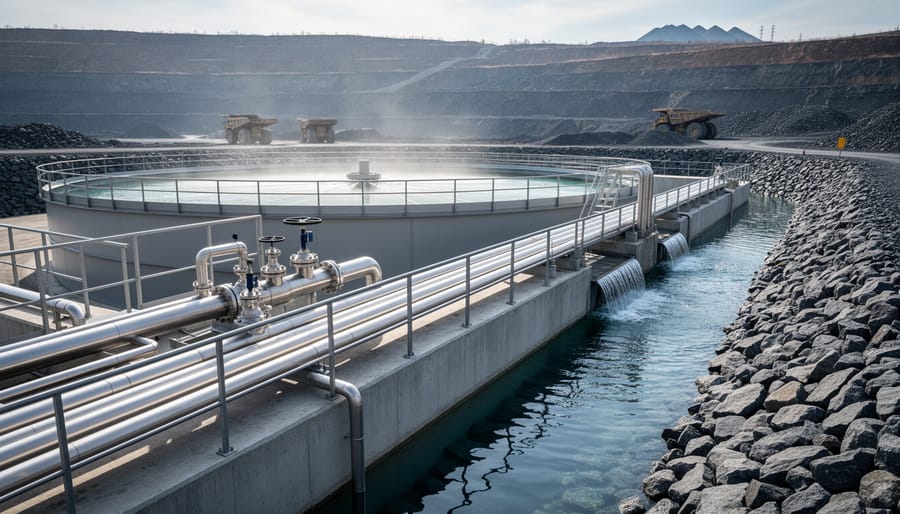
The return on investment calculation for mine water treatment has historically been framed wrong. The question asked is: what does treatment cost. The relevant question is: what does the absence of treatment cost. Those two calculations produce different answers and different decisions. The mining operations that have been making the right capital allocation decisions in this area are the ones that have been asking the second question.
The Cost of a Contamination Event
Remediation costs for significant contamination events at Canadian mining sites have reached hundreds of millions of dollars in documented cases, running for decades after the mine responsible has closed. These figures include direct cleanup costs, long-term monitoring programs, community compensation, and government-imposed bonds. They do not include the legal costs, the regulatory penalties, or the reputational damage that affects the social license for subsequent projects.
The capital cost of installing and operating mine water treatment solutions, over the operating life of a mine, is a fraction of the documented remediation costs from the contamination events that adequate treatment would have prevented. This comparison is not theoretical. It reflects the documented financial history of mining operations that made different choices about water management at different points in their operating lives.
Regulatory Penalties Are Part of the Calculation
Environmental penalties in Canada’s mining sector have increased significantly over the past decade. Operations found in violation of water quality requirements face penalties that can reach into the millions for serious events. More consequential than the penalties in most cases is the permit suspension or production limitation that accompanies serious violations, with lost production costs that dwarf the penalty itself.
Water treatment programs that keep discharge consistently within permitted parameters eliminate this exposure. The treatment operating cost is known and fixed. The penalty and production loss exposure from non-compliance is variable and has demonstrated the capacity to be very large.
Capital Market Access
ESG-based investment criteria now apply to mining project finance in ways that create real cost differences between operations with strong environmental records and those without. The interest rate differential between a project that satisfies institutional lender environmental criteria and one that does not translates to meaningful differences in financing cost over a mine’s life. Water management quality is one of the more visible and measurable components of that evaluation.
Production Protection
The production value protected by effective water management is the ROI component that is most often overlooked in the treatment cost calculation. An operation that avoids a contamination event and the regulatory and community consequences it triggers maintains its production schedule. The treatment program cost, set against the value of the production it protects, typically produces a favorable return even before the remediation liability reduction is included.
Conclusion
The ROI of mine water treatment is compelling when the calculation includes what treatment prevents rather than only what it costs. Remediation liability reduction, regulatory penalty avoidance, improved capital access, and protected production schedules are the financial returns on a treatment investment. The numbers support the investment. The operations that have made it understand why.
Leave a Reply