IMC: The Smart Way to Make Your Marketing Messages Work Together

Integrated Marketing Communications (IMC) revolutionizes how businesses connect with their audiences by unifying all marketing channels into one cohesive strategy. Gone are the days of fragmented marketing efforts – today’s successful businesses orchestrate their messaging across social media, email campaigns, traditional advertising, and public relations to deliver a consistent, compelling brand story.
In an increasingly digital marketplace, IMC enables organizations to speak with one voice across multiple platforms, ensuring that every customer touchpoint reinforces the core brand message. This strategic approach combines traditional and digital marketing tools, customer data analytics, and cross-channel coordination to maximize impact while minimizing resource waste.
By aligning all communication efforts, IMC creates a seamless customer experience that builds trust, enhances brand recognition, and drives measurable business results. Whether you’re a startup founder or an established marketing professional, understanding and implementing IMC is crucial for achieving marketing excellence in today’s interconnected business landscape.
These coordinated efforts ensure that your target audience receives consistent, clear messaging regardless of where they encounter your brand, ultimately leading to improved ROI and stronger customer relationships.
What Is Integrated Marketing Communications (IMC)?
Core Elements of IMC
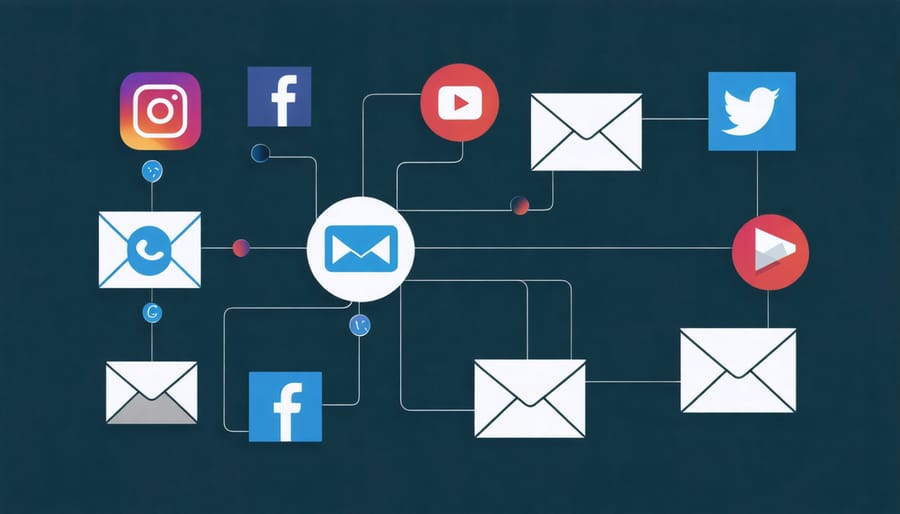
An effective IMC strategy comprises five essential elements that work together to create a cohesive marketing approach. First, unified messaging ensures all communications deliver consistent brand positioning across channels, reinforcing your core message and building brand recognition. This alignment extends from advertising to social media posts, email campaigns, and customer service interactions.
The second element is audience centricity, where all marketing efforts are designed around detailed customer personas and their journey maps. This approach ensures messages resonate with target audiences at every touchpoint. Third, channel integration coordinates various marketing channels to work in harmony, maximizing impact while maintaining message consistency.
Data integration forms the fourth element, combining customer data from multiple sources to create a comprehensive view of audience behavior and campaign performance. This enables more informed decision-making and personalized marketing approaches. The final element is strategic planning, which involves setting clear objectives, establishing measurement metrics, and creating detailed implementation timelines.
These core elements must be supported by strong internal communication between departments and external partners. Regular monitoring and optimization ensure all components work together effectively. When properly implemented, these elements create a foundation for successful integrated marketing communications that drives brand awareness, customer engagement, and business growth.
Benefits of Implementing IMC
Cost Efficiency
Implementing IMC significantly reduces marketing costs while maximizing return on investment. By coordinating all marketing efforts under a unified strategy, businesses eliminate redundant messaging and avoid duplicating resources across different channels. This integration allows companies to reuse and repurpose content effectively, spreading costs across multiple platforms while maintaining consistency. The synchronized approach also increases message impact through repetition and reinforcement, making each marketing dollar work harder. Additionally, centralized planning and execution reduce administrative overhead and agency fees, while comprehensive performance tracking helps identify and eliminate ineffective spending. Many organizations report cost savings of 15-20% after implementing IMC, primarily through reduced production costs and improved media buying efficiency.
Brand Consistency
Brand consistency through IMC ensures that your company’s message remains uniform across all marketing channels, strengthening brand recognition and trust. When customers encounter the same core messaging, visual elements, and brand voice across social media, email campaigns, advertising, and in-store experiences, it creates a cohesive brand image that resonates more effectively. This unified approach helps prevent confusion and builds credibility with your target audience.
Research shows that consistent brand presentation across platforms can increase revenue by up to 23%. By maintaining message consistency, you reinforce your brand’s values and unique selling propositions, making it easier for customers to remember and relate to your brand. This alignment of marketing efforts also helps create a more professional image and distinguishes your brand from competitors in an increasingly crowded marketplace.

Customer Experience
IMC significantly enhances customer engagement by creating seamless interactions across all touchpoints. By delivering consistent messaging through multiple channels, businesses can create a more cohesive and personalized customer experience that resonates with their target audience. This unified approach ensures that whether customers interact with your brand through social media, email, or in-store visits, they receive consistent messaging that builds trust and recognition.
The customer journey becomes more intuitive and engaging when all marketing elements work together harmoniously. For instance, a customer who sees your social media ad should experience the same brand voice and messaging when they visit your website or receive an email newsletter. This consistency not only improves brand recall but also increases the likelihood of conversion and long-term customer loyalty.
Implementing IMC in Your Business
Key Steps for Success
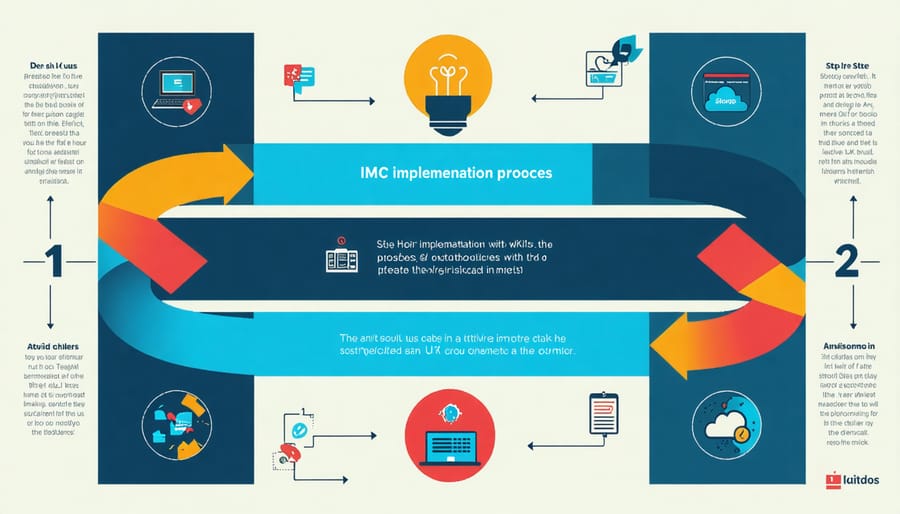
Begin by conducting a comprehensive audit of your current marketing channels and messaging. Establish clear objectives that align with your business goals and identify your target audience segments. Create a consistent brand message that resonates across all platforms and develop a centralized content strategy to maintain uniformity.
Set up robust tracking systems to monitor campaign performance and ensure all team members understand their roles in the IMC process. Implement regular communication protocols between departments to maintain message consistency. Create a content calendar that coordinates messaging across different channels and platforms.
Finally, establish measurement metrics to evaluate success and adjust strategies based on data-driven insights. Regular reviews and updates of your IMC strategy will help maintain its effectiveness and ensure alignment with evolving business objectives and market conditions.
Integrated Marketing Communications represents a strategic approach that can transform your business’s marketing effectiveness. By aligning all your marketing channels and messages, you create a cohesive brand experience that resonates with your audience and drives better results. Remember that successful IMC implementation requires careful planning, consistent execution, and regular monitoring of results. Start by auditing your current marketing efforts, develop a unified strategy, and gradually integrate your various marketing channels. With commitment and proper implementation, IMC can help you build stronger customer relationships, increase brand awareness, and achieve better ROI on your marketing investments. Take the first step today by evaluating your current marketing approach and identifying opportunities for greater integration.
Leave a Reply