Why Natural Content Growth Beats Quick Marketing Wins (And How to Do It Right)

Build an organic content strategy by first mapping your audience’s complete journey, from awareness to conversion, identifying specific content needs at each stage. Create a sustainable content ecosystem that prioritizes value-driven content marketing strategies over quick-win tactics. Develop cornerstone content pieces that address fundamental industry challenges, then expand with supporting articles, videos, and social posts that naturally interconnect.
Measure content performance through meaningful metrics like engagement time, social shares, and conversion rates rather than vanity metrics. Focus on creating evergreen resources that maintain relevance and authority over time, reducing the constant pressure to produce new content. Implement a systematic content audit process that identifies opportunities to update, consolidate, or retire content based on performance data and audience feedback.
This strategic approach to organic content development builds lasting audience relationships, establishes genuine thought leadership, and creates a self-sustaining content ecosystem that drives consistent business growth without relying on paid promotion or aggressive marketing tactics.
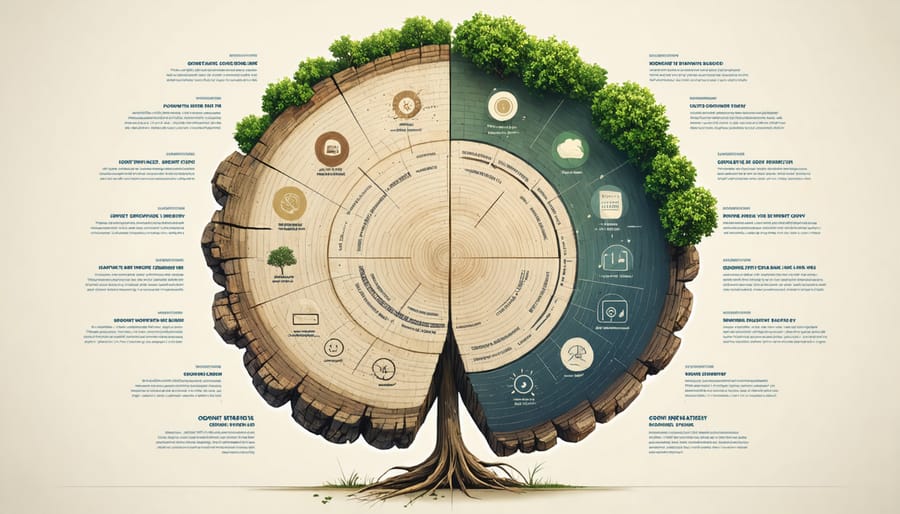
The Foundation of Organic Content Strategy
Building Trust Through Authentic Content
Building trust in today’s digital landscape requires more than just consistent posting – it demands authenticity and genuine value delivery. When you create content that truly resonates with your audience’s needs and challenges, you naturally establish credibility and foster meaningful connections.
Start by sharing real experiences, case studies, and data-backed insights that demonstrate your expertise without being overly promotional. This approach shows that you understand your audience’s pain points and can provide practical solutions. Remember, transparency about both successes and challenges helps humanize your brand and makes your content more relatable.
User-generated content and customer testimonials serve as powerful trust signals. Encourage your satisfied customers to share their experiences and incorporate their stories into your content strategy. This not only provides social proof but also creates a community around your brand.
Engage with your audience through comments, direct messages, and social media interactions. Prompt responses and thoughtful engagement show that you value their input and are committed to building lasting relationships. This two-way communication helps create a loyal following that sees your brand as a trusted resource rather than just another content publisher.
Keep your messaging consistent across all platforms while adapting the format to suit each channel’s unique characteristics. This cohesive approach reinforces your brand’s authenticity and helps build a strong, recognizable presence in your industry.
The Sustainability Factor
Unlike paid advertising that requires continuous investment, a sustainable content strategy delivers compounding returns over time. When you create valuable, evergreen content, it continues to attract and engage audiences long after publication, effectively reducing your cost per acquisition as time progresses.
Organic content strategies also build lasting relationships with your audience through authentic engagement. Rather than interrupting potential customers with ads, you’re providing solutions to their problems and addressing their needs naturally. This approach develops trust and positions your brand as an authority in your industry.
From a financial perspective, while organic strategies require more upfront investment in time and resources, they typically offer better ROI in the long run. Quality content assets appreciate in value as they accumulate backlinks, social shares, and search engine authority. Additionally, organic content can be repurposed across multiple channels, maximizing your initial investment and creating a sustainable content ecosystem that continues to deliver value year after year.
This self-reinforcing cycle of content creation, audience growth, and brand authority makes organic strategies particularly cost-effective for businesses focused on long-term success.
Implementing Your Organic Content Strategy
Content Planning That Grows Naturally
Content planning shouldn’t feel like forcing square pegs into round holes. Instead, think of it as nurturing a garden where your content grows naturally alongside your business objectives and audience needs. Start by mapping out your key business milestones, seasonal trends, and audience pain points across a yearly timeline.
Create a flexible content calendar that accommodates both planned and spontaneous content. Allocate roughly 70% of your calendar to evergreen topics that consistently resonate with your audience, 20% to trending or seasonal content, and 10% for experimental pieces that test new angles or formats.
To ensure your content planning remains organic, regularly review engagement metrics and audience feedback. Use these insights to adjust your content mix and timing. Pay attention to which topics generate the most meaningful interactions and what posting schedules yield the best results.
Consider implementing a content ecosystem where pieces naturally connect and support each other. For example, a cornerstone piece about industry trends can spawn several detailed articles exploring specific aspects, social media posts highlighting key takeaways, and an email newsletter summarizing the insights.
Remember to leave room for real-time adjustments. The most effective content calendars are living documents that evolve with your audience’s needs and market changes. Schedule monthly review sessions to evaluate your content’s performance and make necessary adjustments to keep your strategy fresh and relevant.
Automation Without Losing the Human Touch
In today’s digital landscape, striking the right balance between efficiency and authenticity is crucial for content success. While marketing automation tools can streamline your workflow, it’s essential to maintain the human element that makes your content resonant and engaging.
Start by identifying tasks that genuinely benefit from automation, such as content scheduling, basic social media responses, and performance tracking. However, reserve human touch points for areas where personal connection matters most – crafting original content, responding to complex customer inquiries, and engaging with community comments.
Consider implementing a hybrid approach where automation handles repetitive tasks while your team focuses on creative and strategic elements. For example, use automated tools to identify trending topics, but have your content creators develop unique perspectives and insights around these themes. Similarly, automate post scheduling across platforms, but personally curate and adjust content to match each platform’s unique audience expectations.
Remember that automation should enhance, not replace, human creativity and judgment. Regular review of automated processes ensures they align with your brand voice and maintain authenticity. Monitor engagement metrics to find the sweet spot between efficiency and personalization, adjusting your approach based on audience response and feedback.
The goal is to leverage technology to create more time for meaningful human interactions, not to eliminate them entirely.

Measuring Organic Growth Success
Success in organic content strategy relies heavily on tracking the right metrics and understanding how to interpret them. Measuring content performance requires focusing on both engagement metrics and conversion indicators.
Key performance indicators (KPIs) to monitor include:
Engagement Metrics:
– Page views and unique visitors
– Time spent on page
– Bounce rate
– Social shares and interactions
– Comments and user discussions
Conversion Metrics:
– Email newsletter signups
– Lead magnet downloads
– Contact form submissions
– Direct sales attributable to content
– Return visitor rate
Track these metrics monthly and quarterly to identify trends and adjust your strategy accordingly. Pay special attention to content pieces that consistently perform well, analyzing their common elements such as topic, format, or tone.
Set benchmark goals for each metric based on your industry standards and current performance. Remember that organic growth typically shows gradual improvement rather than sudden spikes. Focus on sustainable progress rather than chasing viral moments.
Use analytics tools like Google Analytics, social media insights, and your CMS dashboard to gather comprehensive data. Create monthly reports that highlight key findings and actionable insights, ensuring your content strategy remains data-driven and results-oriented.

Common Pitfalls and How to Avoid Them
Over-optimization Traps
While optimizing content for search engines is crucial, it’s essential to avoid falling into the trap of over-optimization, which can make your content feel artificial and potentially harm your rankings. The key is striking the right balance between SEO best practices and maintaining authentic, valuable content for your audience.
Common over-optimization mistakes include keyword stuffing, forcing exact-match phrases into unnatural positions, and creating content that prioritizes search engines over human readers. These practices not only diminish the user experience but can also trigger search engine penalties.
To maintain authenticity while optimizing your content:
1. Focus on topic relevance rather than keyword density
2. Use natural language variations of your target keywords
3. Prioritize readability and flow over exact keyword placement
4. Include relevant synonyms and related terms organically
5. Structure content around user intent rather than search algorithms
Remember that modern search engines are sophisticated enough to understand context and semantic relationships. This means you can focus on creating comprehensive, well-written content that naturally incorporates your target keywords and topics.
When in doubt, always prioritize your human readers. If your content provides genuine value and addresses your audience’s needs effectively, it’s likely already well-optimized for search engines. Regular content audits can help you identify and correct any instances of over-optimization while maintaining strong SEO performance.
Consistency vs. Quality Balance
Finding the sweet spot between consistent content publication and maintaining high quality is one of the biggest challenges in organic content strategy. While regular posting helps maintain audience engagement and satisfy search engine algorithms, rushing content creation can compromise quality and damage your brand reputation.
To strike the right balance, start by establishing a realistic content calendar that accounts for your resource constraints. It’s better to publish two high-quality pieces per month consistently than to aim for daily posts that fall short of your standards. Consider implementing a content buffer – having several pieces ready in advance – to maintain quality control while ensuring regular publication.
Quality assurance processes should be non-negotiable. Implement a systematic review workflow that includes fact-checking, proofreading, and alignment with your brand voice. Use tools and templates to streamline these processes without cutting corners on quality.
Monitor your content performance metrics to determine the optimal publishing frequency for your audience. Some audiences prefer daily updates, while others value in-depth weekly or monthly content. Let data guide your decisions rather than following arbitrary posting schedules.
Remember that consistency extends beyond posting frequency – it includes maintaining consistent quality standards, messaging, and brand voice across all content pieces. When resources are stretched, it’s better to scale back quantity while preserving quality than to risk damaging your brand’s credibility with subpar content.
Future-Proofing Your Content Strategy
As digital landscapes evolve at an unprecedented pace, future-proofing your content strategy is no longer optional – it’s essential for sustained success. To ensure your organic content strategy remains effective, start by embracing data-driven decision-making. Implement robust analytics tools to track content performance and audience behavior patterns, allowing you to adapt your strategy based on concrete insights rather than assumptions.
Consider adopting AI and machine learning tools to enhance content creation and distribution while maintaining authenticity. These technologies can help identify trending topics, optimize posting schedules, and personalize content delivery without losing the human touch that makes organic content effective.
Diversify your content formats to meet changing consumption preferences. While written content remains important, incorporate video, audio, and interactive elements into your strategy. This multi-format approach ensures you’re prepared for shifts in audience preferences and emerging platforms.
Build flexibility into your content calendar by maintaining a balance between timely content and evergreen materials. This approach allows you to respond to industry changes while ensuring consistent value delivery to your audience. Develop a content repository that can be quickly adapted and repurposed for different platforms and formats.
Stay ahead of privacy regulations and platform changes by prioritizing first-party data collection and building direct relationships with your audience. Create valuable lead magnets and newsletter content that encourages voluntary data sharing while respecting user privacy preferences.
Invest in team training and skill development to keep pace with emerging content creation tools and techniques. Regular upskilling ensures your team can adapt to new platforms and content formats while maintaining quality and efficiency.
Finally, establish a regular review process for your content strategy. Quarterly assessments of performance metrics, audience feedback, and industry trends will help you identify necessary adjustments before they become urgent. This proactive approach ensures your content strategy remains relevant and effective in an ever-changing digital landscape.
Implementing an effective organic content strategy requires dedication, consistency, and a clear understanding of your audience’s needs. By following the key principles outlined in this guide, you’re well-positioned to create meaningful content that resonates with your target audience and drives sustainable growth for your business.
Remember to start by establishing clear goals and understanding your audience thoroughly. Focus on creating high-quality, valuable content that addresses specific pain points and questions. Maintain a consistent publishing schedule while remaining flexible enough to adapt to changing market conditions and audience preferences.
The success of your organic content strategy relies heavily on continuous monitoring and optimization. Regular analysis of your content performance metrics will help you refine your approach and maximize results. Don’t be afraid to experiment with different content formats and distribution channels to find what works best for your brand.
Take action today by:
– Auditing your existing content
– Developing a content calendar
– Creating detailed audience personas
– Setting up tracking mechanisms
– Building a content creation workflow
– Establishing review and optimization processes
Remember that organic content strategy is a marathon, not a sprint. Focus on building authentic relationships with your audience through valuable content, and the results will follow naturally. Start small, measure your progress, and scale what works while continuously learning and adapting your approach.
Leave a Reply