Digital Out-of-Home Advertising Just Got Smarter (Here’s What Changed)
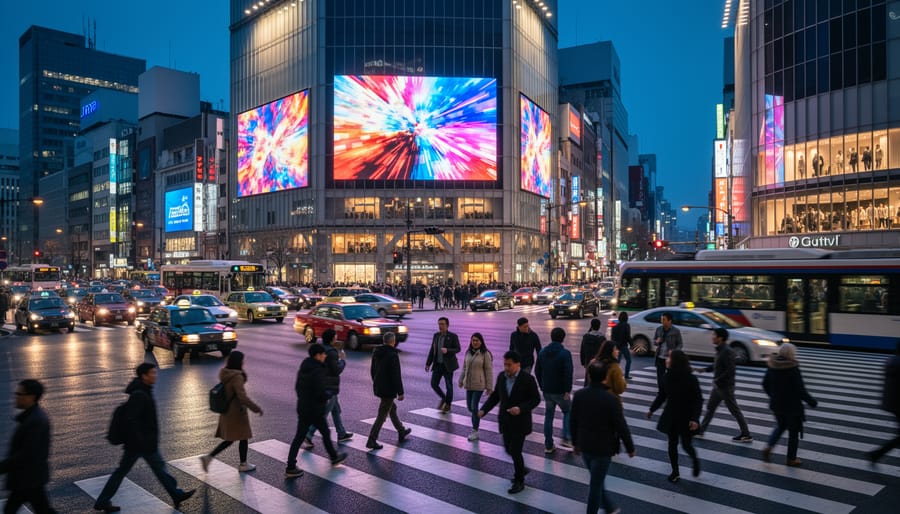
Digital out-of-home advertising has evolved from static billboards into a dynamic, data-driven channel that delivers real-time messages to audiences on the move. Modern DOOH platforms now enable marketers to launch campaigns across digital screens in shopping malls, transit stations, roadside displays, and urban centers with the same precision and agility previously reserved for online advertising.
The transformation centers on programmatic technology. Instead of negotiating individual contracts with billboard owners and waiting weeks for creative approval, businesses can now access DOOH inventory through demand-side platforms, set targeting parameters based on time, location, and audience demographics, and adjust campaigns instantly based on performance data. This shift has made premium outdoor advertising accessible to small and medium-sized businesses that previously couldn’t afford the entry costs or minimum commitments.
Three factors make DOOH particularly valuable in today’s marketing landscape. First, screens reach consumers during high-intent moments when they’re out shopping, commuting, or exploring their communities. Second, DOOH delivers verified impressions with measurable foot traffic attribution, connecting outdoor exposure to actual store visits or website actions. Third, the format offers creative flexibility that static billboards cannot match, allowing brands to display different messages throughout the day or trigger content based on weather conditions, local events, or inventory levels.
Understanding which tools power successful DOOH campaigns and how they integrate with your existing marketing stack determines whether your outdoor advertising investment generates measurable returns or simply adds another disconnected channel to manage.
What Digital Out-of-Home Advertising Actually Means Today
Digital out-of-home advertising has evolved far beyond static billboards and transit posters. Today’s DOOH refers to digitally-enabled advertising displays in public spaces that can be updated remotely, programmatically purchased, and optimized in real-time based on performance data.
The fundamental difference between traditional out-of-home and DOOH lies in control and adaptability. Where traditional OOH required physical production and manual installation for every campaign change, DOOH operates through cloud-based platforms that let you update creative content instantly across multiple locations. This means you can adjust messaging based on time of day, weather conditions, or current events without printing a single poster.
Modern DOOH encompasses several core components working together. Digital displays range from large-format LED screens in urban centers to smaller interactive kiosks in retail environments. These screens connect to content management systems that control what appears and when. Behind the scenes, programmatic buying platforms enable automated ad purchasing similar to digital advertising, while analytics tools track impressions, engagement, and attribution data.
The transformation centers on three key capabilities that matter for business growth. First, automation streamlines campaign management, eliminating the weeks-long lead times associated with traditional OOH. You can launch campaigns within days or even hours. Second, targeting precision improves dramatically through dayparting, location-based triggers, and audience data integration. Third, measurability provides concrete performance metrics rather than estimated impressions, enabling data-driven optimization throughout your campaign.
This shift makes DOOH accessible to businesses that previously couldn’t justify traditional billboard budgets. The ability to purchase specific time slots rather than month-long commitments, combined with real-time performance monitoring, means you invest more efficiently while maintaining the high-visibility impact that makes out-of-home advertising effective. The medium delivers the reach of traditional outdoor advertising with the flexibility and accountability of digital channels.
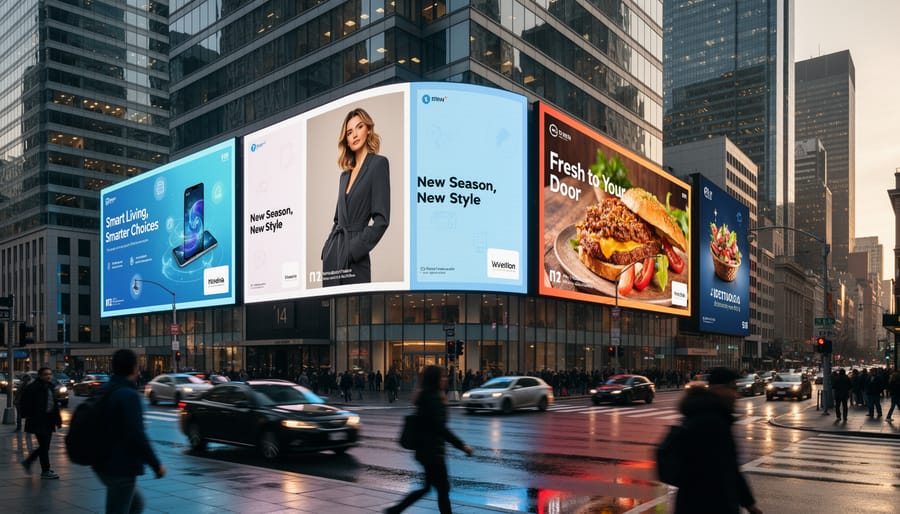
Essential DOOH Advertising Tools Your Business Needs
Programmatic DOOH Platforms
Programmatic buying platforms have revolutionized how businesses purchase and manage digital out-of-home advertising. These automated systems eliminate the traditional manual buying process, allowing you to plan, purchase, and optimize DOOH campaigns through centralized digital interfaces.
The core advantage of programmatic DOOH platforms is real-time campaign management. Rather than negotiating individual placements with multiple vendors, you access thousands of digital screens through a single dashboard. These platforms use automated bidding systems to secure ad space at competitive rates while optimizing delivery based on your target audience parameters.
Modern programmatic platforms integrate data feeds that trigger ads based on specific conditions. For example, your coffee shop ad can display during morning commutes when temperatures drop below a certain threshold, or your retail promotion can activate near competitor locations. This dynamic capability maximizes relevance and campaign effectiveness.
Key features to evaluate include audience targeting capabilities, real-time reporting dashboards, creative management tools, and integration with your existing marketing stack. Leading platforms offer transparent pricing models and provide detailed performance metrics including impressions, audience demographics, and estimated reach.
For businesses new to DOOH, programmatic platforms lower entry barriers by offering flexible budgets and self-service options. You maintain complete control over spending, can adjust campaigns instantly based on performance data, and scale efforts as you identify successful strategies. This automation reduces the time investment required while improving overall campaign outcomes through data-driven optimization.
Content Management and Creative Tools
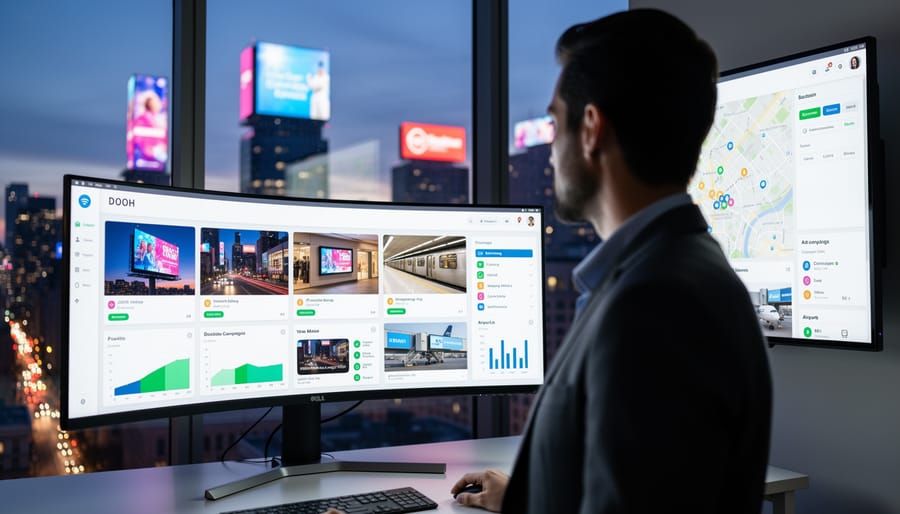
The backbone of any successful DOOH campaign is robust content management software that simplifies creation, scheduling, and distribution across multiple screens. These platforms enable you to manage everything from a single dashboard, eliminating the manual work of updating individual displays.
Modern dynamic content management systems allow you to design visually compelling ads using drag-and-drop interfaces, often with pre-built templates tailored for digital billboards and transit displays. You can schedule content to run at specific times, adjust messaging based on daypart performance, and make real-time updates without technical expertise.
Key features to look for include cloud-based access, multi-screen synchronization, and automated content rotation. These capabilities ensure your campaigns stay fresh and relevant without constant manual intervention. Many platforms also offer integration with data feeds, enabling automatic updates for pricing, inventory, or weather-triggered messaging.
For businesses managing campaigns across different locations or partnering with multiple media owners, centralized control becomes essential. The right software streamlines client communication by providing proof-of-play reports and performance dashboards that demonstrate campaign delivery and impact.
Start with platforms offering free trials or scalable pricing models that grow with your needs. Focus on solutions with intuitive interfaces that your team can adopt quickly, reducing training time and accelerating your time to market. The goal is efficient campaign management that frees your team to focus on strategy rather than technical execution.
Data Analytics and Measurement Extensions
Understanding campaign performance is critical when investing in digital out-of-home advertising. Modern analytics and measurement tools provide concrete data that transforms DOOH from a traditional awareness channel into an accountable, results-driven marketing solution.
Measurement platforms now integrate multiple data sources to track real-world campaign impact. GPS and mobile location data reveal foot traffic patterns before, during, and after ad exposure, showing whether your creative drives store visits. Attribution tools connect ad impressions to online actions, tracking website visits, app downloads, and purchases that occur shortly after someone views your display.
Automated reporting dashboards consolidate these metrics into clear, visual reports that demonstrate ROI to stakeholders. Look for platforms that track impressions, reach, frequency, and audience demographics without requiring manual data compilation. The best solutions send scheduled reports directly to your inbox, keeping clients and team members informed without extra effort.
Key metrics to monitor include cost per thousand impressions, conversion rates from exposure to action, and dwell time for interactive displays. Advanced platforms also offer A/B testing capabilities, letting you run different creative variations across similar locations to identify which messages resonate best.
Choose measurement tools that integrate with your existing marketing stack. Seamless data flow between your DOOH platform, CRM, and analytics software creates a complete picture of customer journeys and eliminates duplicate manual entry. This automation ensures accurate tracking while freeing your team to focus on strategy and optimization rather than spreadsheet management.
Integration Extensions for Marketing Automation
Modern DOOH platforms integrate seamlessly with your existing marketing technology stack, eliminating data silos and enabling truly unified campaigns. Leading solutions connect directly with CRM systems, social media advertising platforms, and email marketing tools through API integrations and native connectors. This automated synchronization ensures your outdoor messaging remains consistent with your digital touchpoints while responding to real-time customer behaviors and campaign performance data.
The practical benefit? Your team can trigger DOOH advertisements based on email engagement, retarget website visitors with outdoor displays in specific locations, or coordinate messaging across every channel from a single dashboard. This omnichannel campaign integration reduces manual work while improving campaign coherence. Popular platforms now offer pre-built integrations with Google Ads, Facebook Business Manager, Salesforce, and major demand-side platforms, making implementation straightforward even for small marketing teams without extensive technical resources.
How Automation Makes DOOH Campaigns More Effective
Automation transforms digital out-of-home advertising from a time-intensive process into a streamlined operation that delivers better results with less manual effort. When you automate key aspects of your DOOH campaigns, you free up valuable time to focus on what truly matters: strategic planning and building stronger client relationships.
Modern DOOH platforms use automated bidding systems that adjust your ad spend in real-time based on performance data. Instead of manually monitoring and adjusting bids throughout the day, automation handles these decisions instantly, ensuring you’re always competitive without overpaying. This means your budget works harder while you spend less time on routine adjustments.
Targeting accuracy improves dramatically through automated audience analysis. Advanced systems process location data, weather conditions, traffic patterns, and demographic information simultaneously to determine the optimal times and places to display your ads. A coffee brand, for example, can automatically increase ad frequency near transit stations during morning rush hours or when temperatures drop below certain thresholds. These precision adjustments happen without manual intervention, resulting in higher engagement rates and better return on investment.
Creative optimization benefits from automation as well. Dynamic content management systems automatically select which ad variations to display based on real-time conditions and performance metrics. If one message resonates better with afternoon audiences while another performs well in the morning, the system learns these patterns and adjusts accordingly.
Schedule management becomes effortless when automated systems handle campaign timing, budget pacing, and inventory allocation. You set the parameters once, and the platform ensures consistent delivery without requiring daily check-ins. This reliability is crucial for measuring campaign effectiveness and maintaining client trust.
The real advantage lies in what automation enables you to do with your reclaimed time. Instead of getting bogged down in operational details, you can analyze performance trends, develop innovative campaign strategies, and maintain meaningful conversations with clients about their business goals. This shift from task executor to strategic advisor elevates your value proposition and strengthens client partnerships while your campaigns run more efficiently in the background.
Choosing the Right DOOH Tools for Your Business Size
Selecting the right DOOH tools starts with an honest assessment of your business scale and marketing objectives. Your choice should align with your campaign complexity, budget constraints, and internal resources rather than simply choosing the most feature-rich platform available.
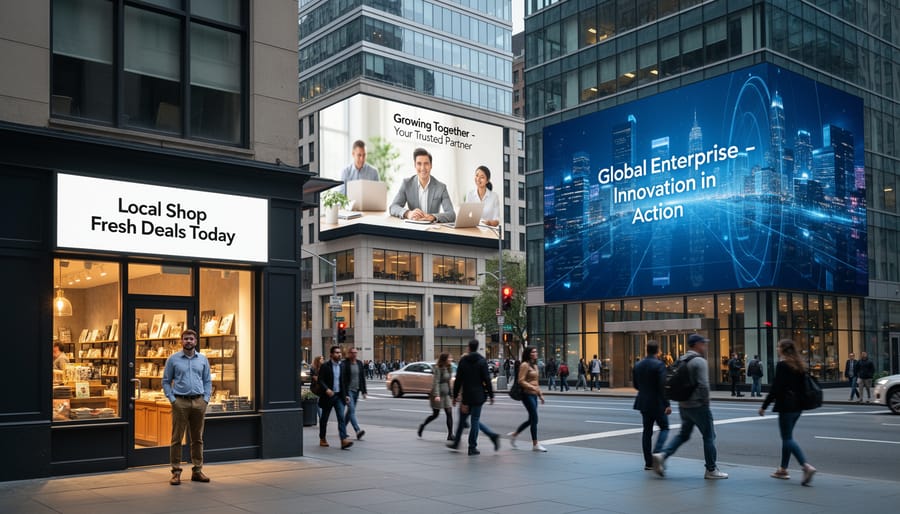
For small businesses and startups, prioritize simplicity and cost-effectiveness. Look for self-service platforms that offer straightforward campaign setup, transparent pricing models, and minimal technical requirements. Many modern DOOH networks provide accessible entry points with low minimum spends, allowing you to test specific locations or short campaign durations. Focus on tools with built-in templates and automated scheduling features that reduce the learning curve and save time. Your priority should be quick deployment and measurable results without requiring a dedicated media buying team.
Medium-sized businesses typically benefit from platforms offering more sophisticated targeting capabilities and multi-location management. At this stage, consider tools that integrate with your existing marketing stack and provide robust analytics dashboards. Automated reporting features become essential as you scale campaigns across multiple markets. Look for solutions that offer client communication portals if you’re managing campaigns for multiple stakeholders, ensuring transparency without constant manual updates.
Enterprise organizations require comprehensive platforms with advanced audience segmentation, programmatic buying capabilities, and API integrations. Budget flexibility allows for custom solutions and dedicated account management, but prioritize platforms that maintain automated workflows even at scale. Consider tools offering dynamic content management systems that can adjust creative based on real-time triggers like weather, traffic, or inventory levels.
Regardless of size, evaluate each platform’s reporting capabilities and data accessibility. Automated performance tracking should be standard, not a premium feature. Request trial periods or pilot programs to test usability before committing to annual contracts. The best tool is one your team will actually use consistently, not the one with the longest feature list.
Getting Started: Your First DOOH Campaign in Three Steps
Launching your first DOOH campaign doesn’t require a massive budget or technical expertise. Follow this three-step roadmap to get your advertising live on digital billboards and screens.
Step 1: Define Your Goals and Select Your Platforms
Start by identifying what you want to achieve. Are you driving foot traffic to a physical location, building brand awareness, or promoting a time-sensitive offer? Your objective determines everything from screen placement to creative design. Next, choose a DOOH platform that matches your needs. Programmatic platforms like Broadsign, Hivestack, and Vistar Media offer self-service options with varying minimum spends. For smaller budgets, consider direct relationships with local screen networks or transit authorities. Most platforms provide audience data and location analytics to help you target the right areas.
Step 2: Create Screen-Optimized Content
DOOH creative differs from traditional digital ads. Design for visibility at a distance with high contrast, minimal text (seven words or fewer), and bold imagery. Your message should be digestible in three seconds or less. Use standard aspect ratios like 16:9 or 9:16 depending on screen orientation. Many DOOH platforms offer creative templates or partnerships with design services. Consider dynamic creative that changes based on time of day, weather, or real-time data feeds to increase relevance and engagement.
Step 3: Launch, Monitor, and Optimize
Upload your creative, set your budget parameters, and launch your campaign. Modern DOOH platforms provide real-time reporting on impressions, play frequency, and audience reach. Monitor performance weekly and adjust targeting or creative based on results. Test different locations, dayparts, and messages to identify what resonates. Most platforms allow mid-campaign adjustments without additional fees, giving you flexibility to optimize as you learn.
Digital out-of-home advertising is no longer reserved for enterprises with massive budgets and dedicated media buying teams. Today’s DOOH ecosystem offers accessible tools and extensions that democratize outdoor advertising, making it practical and measurable for businesses of all sizes. From automated campaign management platforms to real-time analytics dashboards, these solutions eliminate traditional barriers while delivering the transparency modern marketers demand.
The key advantage of modern DOOH tools lies in their automation capabilities. What once required multiple vendor relationships, complex negotiations, and manual reporting now happens through streamlined platforms that handle everything from inventory selection to performance tracking. This efficiency means smaller teams can execute sophisticated campaigns without hiring additional staff or developing specialized expertise.
Measurement has transformed DOOH from a awareness-only channel into an accountable marketing investment. With impression tracking, audience verification, and attribution capabilities built into most platforms, you can finally connect outdoor advertising to business outcomes. This visibility enables better client communication and justifies continued investment based on actual performance data rather than estimates.
The path forward is straightforward: start by identifying your campaign objectives, then select tools that align with your specific needs and budget. Begin with a pilot campaign to familiarize yourself with the technology and measurement capabilities. Most platforms offer trial periods or low minimum spends, making it easy to test before committing significant resources. Take that first step today and discover how accessible impactful outdoor advertising has become.
Leave a Reply