5G Is Changing B2B Mobile Marketing Faster Than You Think

Leverage 5G’s near-zero latency to deliver real-time personalized content during virtual product demonstrations and sales presentations. The technology processes customer data instantly, allowing your team to adjust messaging and product showcases based on immediate buyer responses, creating more engaging B2B experiences that drive conversion rates up by as much as 40%.
Implement high-quality video streaming for remote consultations and product walkthroughs that previously required in-person meetings. 5G’s enhanced bandwidth supports uninterrupted 4K video calls and augmented reality presentations on mobile devices, enabling your sales team to showcase complex products or services to decision-makers anywhere, reducing sales cycle length by eliminating scheduling delays for physical meetings.
Deploy location-based mobile campaigns that trigger when prospects enter relevant business districts, trade shows, or industry events. 5G’s improved geolocation accuracy pinpoints potential clients within meters, allowing you to send timely, context-aware messages about nearby demonstrations, speaking sessions, or networking opportunities that align with their business needs.
Automate multi-touchpoint mobile campaigns that adapt in real-time based on prospect engagement data. 5G enables instant synchronization between your CRM, marketing automation platform, and mobile delivery systems, ensuring every interaction across email, SMS, and push notifications reflects the most current customer behavior. This automation maintains consistent client communication while freeing your team to focus on high-value strategic conversations rather than manual campaign management.
The shift to 5G fundamentally changes what B2B marketers can accomplish through mobile channels, transforming devices from simple communication tools into powerful platforms for immersive, data-driven customer experiences.
What Makes 5G Different for B2B Mobile Marketing
Speed That Actually Matters to Your Prospects
In B2B sales cycles, speed directly correlates with conversion rates. Your prospects aren’t browsing casually—they’re researching solutions during brief windows between meetings or while traveling. When your mobile content loads in under two seconds instead of five, you’re respecting their time and maintaining their attention through critical decision-making moments.
5G’s reduced latency transforms how B2B buyers interact with your content. Product demos, case studies, and pricing calculators now load instantaneously, eliminating the friction that traditionally sent prospects to competitors. This matters because 47% of B2B buyers consume three to five pieces of content before engaging with sales, and each loading delay increases abandonment rates.
Consider the impact on your automated marketing workflows. When prospects can instantly access gated content after form submission, they’re more likely to complete the action and engage deeper with your materials. Fast-loading video testimonials and interactive ROI calculators become viable mobile tools rather than desktop-only resources.
The real advantage isn’t just technical—it’s behavioral. Faster experiences signal professionalism and reliability, qualities B2B buyers actively seek in vendor relationships. Your mobile site speed becomes an unspoken testament to how you’ll deliver on larger promises.
Real-Time Interactions That Build Trust
5G’s ultra-low latency creates opportunities for meaningful, real-time interactions that traditional networks simply couldn’t support. For B2B buyers who need to evaluate complex solutions before committing, this technology transforms how you demonstrate value.
Live product demonstrations now stream seamlessly on mobile devices without lag or buffering, allowing prospects to see your solution in action during their commute or between meetings. Virtual consultations feel more natural and productive when there’s no delay between question and response, building rapport that’s essential for closing high-value deals.
Interactive content experiences like 3D product configurators, augmented reality walkthroughs, and real-time ROI calculators now load instantly on smartphones. Your prospects can explore customization options, visualize implementations, and make informed decisions without waiting for desktop access.
This immediacy matters because B2B buying decisions involve multiple stakeholders. When decision-makers can access interactive demos during brief windows of availability, you stay top-of-mind throughout their evaluation process. Automated follow-up systems can trigger based on engagement with these interactive experiences, ensuring timely communication while prospects are still engaged.
The result is a faster sales cycle built on transparent, accessible information rather than scheduled presentations that delay progress.
Mobile Marketing Strategies Enhanced by 5G
Immersive Product Demonstrations
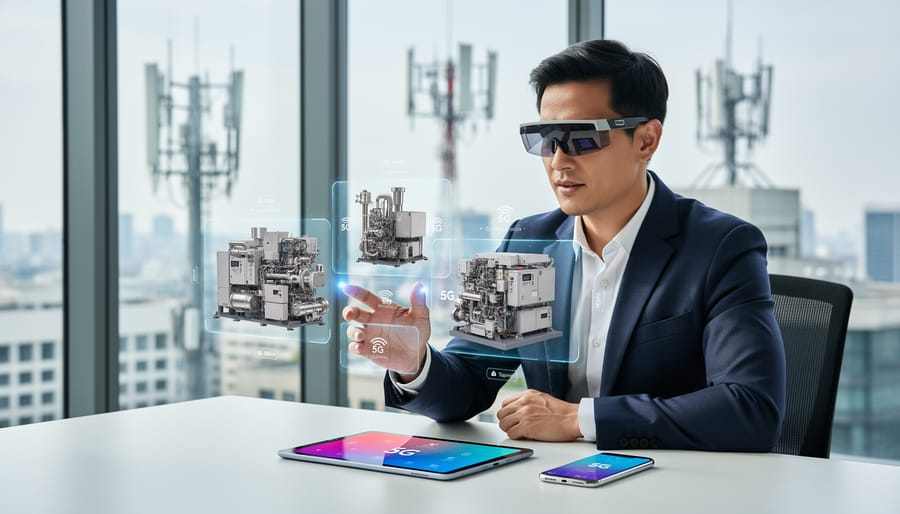
5G technology enables B2B companies to deliver sophisticated AR product demonstrations that transform how potential clients evaluate complex products and services. Instead of scheduling costly site visits or shipping expensive equipment for demonstrations, businesses can now provide immersive virtual experiences directly to buyers’ mobile devices.
Augmented reality applications allow sales teams to showcase machinery, industrial equipment, and technical products in real-time, three-dimensional formats. Prospects can view products from every angle, examine internal components, and visualize how equipment fits within their existing facilities. This capability proves particularly valuable for companies selling large-scale manufacturing equipment, construction machinery, or specialized technical solutions.
Virtual factory tours represent another powerful application. Manufacturing companies can automate guided tours of their production facilities, demonstrating quality control processes, capacity capabilities, and operational efficiency without requiring travel. This transparency builds trust while significantly reducing the time from initial interest to qualified opportunity.
The enhanced bandwidth and reduced latency of 5G networks ensure these demonstrations run smoothly without frustrating lag times or degraded visual quality. Sales representatives can conduct live virtual walkthroughs with multiple stakeholders simultaneously, enabling faster decision-making processes.
Implementation is straightforward through specialized AR platforms designed for B2B applications. These tools integrate with existing CRM systems, allowing automated follow-up communication based on which product features prospects explored during their virtual demonstrations. This data-driven approach helps sales teams prioritize leads and personalize their outreach based on demonstrated interest areas.
Video Marketing That Actually Converts
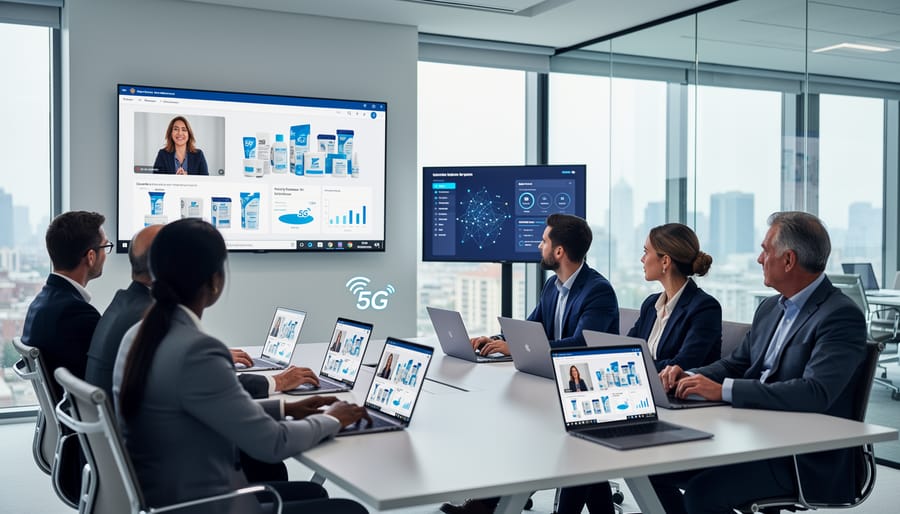
Video content drives B2B purchasing decisions, but traditional mobile delivery often meant choosing between quality and accessibility. With 5G connectivity, that compromise disappears. Your prospects can now stream full HD webinars, detailed product demonstrations, and customer testimonials without buffering, regardless of their location.
This technological shift opens new opportunities for your marketing strategy. Host live product launches that mobile attendees can join with the same experience as desktop users. Create comprehensive tutorial videos that showcase complex features without compression artifacts that obscure critical details. Share case study presentations where potential clients can clearly see data visualizations and results metrics.
The key is automation. Set up your video marketing platform to automatically adjust streaming quality based on connection strength while maintaining clarity on 5G networks. Configure automated follow-up sequences that send relevant video content based on viewing behavior. If someone watches 75% of your product demo, trigger a personalized consultation offer.
Consider implementing interactive video elements that previously struggled on mobile networks. Clickable product showcases, embedded forms within videos, and real-time polling during webinars now function smoothly. These features transform passive viewing into active engagement, shortening your sales cycle.
Track video performance metrics specifically for mobile viewers. Monitor completion rates, interaction points, and conversion paths to refine your content strategy. Remember that even with superior connectivity, your videos should remain concise and focused on solving specific business challenges your audience faces.
Location-Based Targeting for Trade Shows and Events
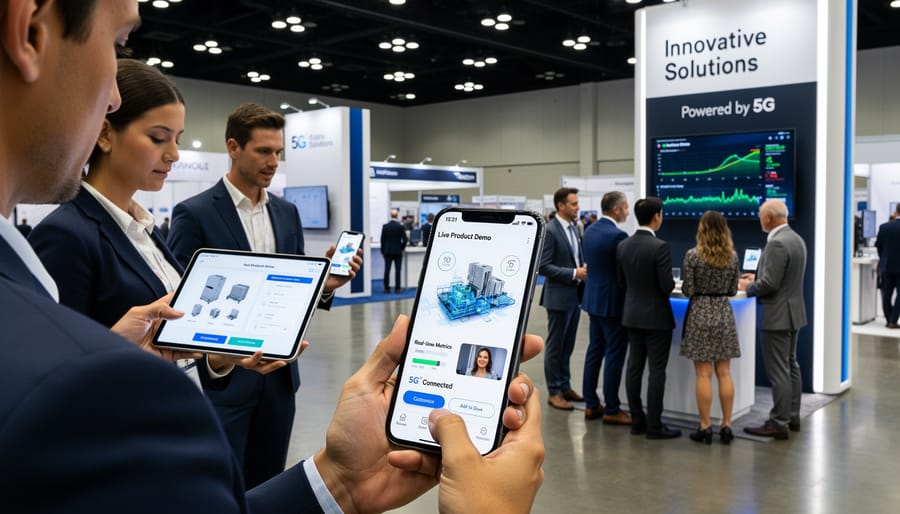
Trade shows and industry conferences represent prime opportunities for B2B mobile marketing, where location-based targeting delivers measurable results. With 5G’s enhanced geofencing capabilities, you can now reach decision-makers with unprecedented precision as they move through event venues, business districts, and competitor locations.
Modern geofencing allows you to create virtual boundaries around specific areas—exhibition halls, conference centers, or even individual booths. When prospects enter these zones, automated systems trigger personalized content delivery directly to their mobile devices. The low latency of 5G networks means notifications arrive instantly, catching attendees while they’re actively engaged in the event environment.
Proximity marketing takes this further by detecting when prospects are near your booth or presentation area. You can automatically send product demos, schedule meeting invitations, or share exclusive offers based on their real-time location. This immediate engagement happens without requiring manual intervention from your team, freeing them to focus on face-to-face conversations.
The key is setting up automated workflows that respond to location triggers. Define your target zones before the event, create relevant content for each location, and establish clear call-to-action sequences. Track engagement metrics like open rates and booth visits to refine your approach for future events.
Consider extending your geofencing beyond the event itself to nearby hotels and business districts where attendees gather. This extended reach captures prospects during networking hours and maintains visibility throughout their entire conference experience.
Mobile-First Sales Enablement
Your sales team’s effectiveness hinges on their ability to respond quickly and professionally, regardless of location. Mobile-first sales enablement transforms how B2B sales professionals engage with prospects by putting essential tools directly in their hands.
Modern mobile platforms allow your sales team to access complete presentation decks, product specifications, and case studies instantly during client meetings. No more scrambling for information or promising to “send that over later.” With cloud-based mobile solutions, representatives can pull up relevant materials within seconds, maintaining conversation flow and demonstrating expertise.
Real-time product configurators represent a significant advancement in mobile sales tools. Your team can now build custom proposals on-site, adjusting specifications, pricing, and delivery timelines while sitting across from clients. This immediate responsiveness shortens sales cycles by eliminating the back-and-forth that traditionally extends negotiations.
Automated proposal generation takes this further by pulling client-specific data from your CRM to create personalized documents instantly. Sales reps simply input project parameters, and the system generates professional proposals complete with accurate pricing, relevant case studies, and customized terms. This automation reduces proposal creation time from hours to minutes.
Integration with communication platforms ensures seamless client follow-up. Your team can send approved proposals, schedule follow-up meetings, and update deal status directly from mobile devices. This eliminates administrative delays and keeps prospects engaged during critical decision-making periods.
The result is a more agile, responsive sales operation that meets modern B2B buyers’ expectations for quick, informed interactions without sacrificing professionalism or accuracy.
Automating 5G Mobile Marketing Campaigns
Setting Up Automated Response Systems
Modern B2B prospects expect immediate responses when they reach out through mobile channels. With 5G’s enhanced speed and bandwidth, you can deploy automated response systems that deliver sophisticated, media-rich content instantly without delays or buffering issues.
Start by mapping your customer journey to identify key touchpoints where prospects typically seek information. Configure automated workflows that trigger when someone downloads a whitepaper, requests a demo, or completes a form on their mobile device. These systems should deliver immediate value—whether that’s a personalized video message, an interactive product demo, or a comprehensive resource guide.
The key to effective automation is maintaining a human touch. Program your responses to reference specific prospect actions and industry pain points. For instance, if a manufacturing executive downloads a case study, your automated response might include a short video addressing common production challenges, along with relevant success stories.
Leverage 5G capabilities to include high-quality multimedia without worrying about load times. This enables personalization at scale, where each prospect receives tailored content based on their behavior, industry, and position in the sales funnel. Set up notifications to alert your sales team when high-value prospects engage, ensuring timely human follow-up after automated touchpoints.
Tracking and Optimizing Mobile Performance
Success in 5G mobile marketing requires monitoring the right metrics without drowning in data. Focus on these essential KPIs: page load times (targeting under 1 second with 5G), video completion rates for rich media content, real-time interaction rates, and conversion velocity from first touch to qualified lead.
The key is automating your reporting infrastructure so you spend time analyzing insights rather than compiling spreadsheets. Connect your mobile analytics platform directly to your CRM for seamless tracking engagement metrics in real time. Set up automated dashboards that surface anomalies and opportunities, like sudden spikes in mobile traffic from specific industries or unexpected drop-offs in your mobile funnel.
For B2B campaigns, track account-level engagement rather than just individual metrics. Which target companies are consuming your mobile content? How does mobile engagement correlate with deal progression? Modern marketing automation platforms can answer these questions automatically, sending alerts when high-value accounts show increased mobile activity.
Implement weekly automated reports that highlight actionable insights, not just numbers. This frees your team to focus on strategic decisions like optimizing content for 5G capabilities or refining your mobile user experience based on actual behavior patterns rather than assumptions.
Common Challenges and Practical Solutions
Working with Varied Network Coverage
While 5G promises transformative capabilities, the reality is that not all your B2B prospects have consistent access to these speeds. Your mobile marketing strategy must account for this disparity to avoid alienating potential clients.
Start by implementing progressive enhancement in your mobile experiences. Design your core content and functionality to work smoothly on 4G and 3G networks, then layer in enhanced features for users with faster connections. This ensures everyone receives a functional experience while those with 5G enjoy additional benefits like high-quality video demonstrations or interactive product visualizations.
Automated systems can detect connection speeds and adjust content delivery accordingly. Set up your marketing automation to serve compressed images and lighter content to slower connections while delivering full-resolution assets to 5G users. This prevents frustrating load times that drive prospects away before they engage with your message.
Consider creating offline-capable mobile experiences for your most critical content. Progressive web apps can cache essential information, allowing prospects to access product specifications, case studies, and contact forms even when connectivity drops during their research process.
Test your mobile campaigns across various network conditions regularly. This practical approach ensures your client communication remains effective regardless of technological limitations, maximizing your reach across all potential buyers.
Budget Considerations for Small to Medium Businesses
Starting with 5G mobile marketing doesn’t require a complete technology overhaul or significant capital investment. Begin by assessing your current mobile infrastructure and identifying which marketing activities would benefit most from enhanced connectivity. Many businesses find success through a phased approach, starting with automated client communication systems that leverage faster data speeds for real-time interactions.
Focus initially on low-cost improvements like optimizing your existing mobile content for 5G capabilities. Video messaging, live chat features, and interactive presentations can be enhanced without purchasing expensive new equipment. Cloud-based marketing automation platforms allow you to scale gradually, paying only for the features you need as your strategy evolves.
Consider pilot programs targeting specific client segments before full deployment. This controlled approach lets you measure results and refine tactics without overextending resources. Partner with service providers offering flexible pricing models rather than locked contracts, giving you room to adjust as you learn what works for your business. Most small to medium businesses achieve meaningful results within three to six months using this incremental strategy, proving that effective 5G mobile marketing is accessible regardless of company size.
Content Creation for Higher Bandwidth
Higher bandwidth doesn’t mean you need expensive equipment or a video production team. Start by repurposing existing content into video formats using screen recording tools to create product demonstrations or tutorial walkthroughs. Your smartphone camera is sufficient for client testimonials and behind-the-scenes updates that build authenticity.
Focus on content types that deliver genuine value: product comparisons, case study videos, and interactive webinars all perform well in B2B contexts. Establish a simple content workflow where team members can record short-form videos addressing common client questions, then batch-edit them monthly.
For automated efficiency, create templates for different video types and standardize your production process. Use straightforward editing software to add captions, which improve engagement and accessibility. Consider developing a content calendar that aligns video releases with your sales pipeline stages, ensuring prospects receive relevant rich media at each decision point.
The key is consistency over perfection. Regular, useful content builds trust with B2B buyers more effectively than occasional polished pieces.
Measuring ROI on 5G Mobile Marketing Investments
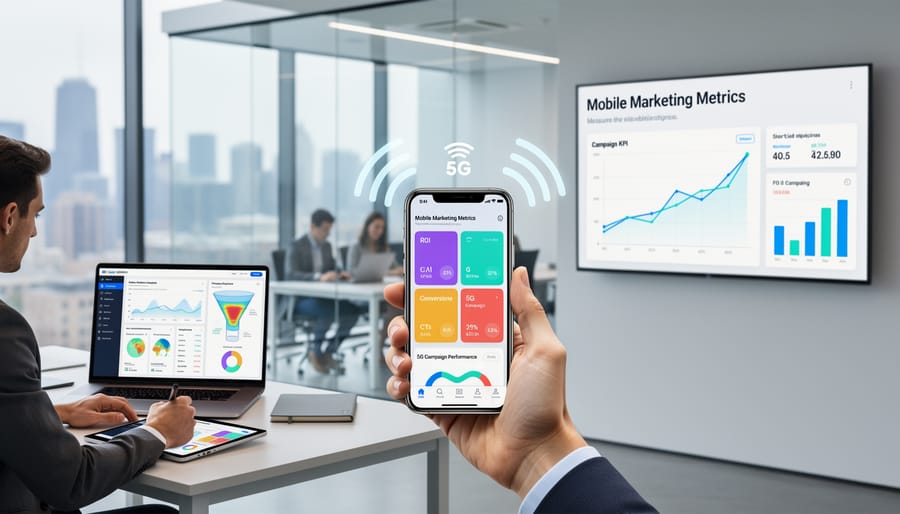
When evaluating 5G mobile marketing investments, focus on metrics that directly impact your bottom line rather than surface-level engagement numbers. Start by tracking conversion velocity—how quickly prospects move through your sales funnel. With 5G’s enhanced capabilities enabling richer, more interactive content, you should see measurable improvements in the time from initial contact to qualified lead.
Monitor account engagement depth by measuring how many stakeholders within target companies interact with your mobile content. 5G-powered experiences like high-quality video demonstrations or AR product showcases should increase multi-touch engagement across decision-making teams. Track unique viewers per account and average session duration to gauge genuine interest.
Calculate cost per qualified lead specifically for your 5G-enhanced campaigns. While initial setup costs may be higher, the improved user experience should drive down acquisition costs over time. Compare these figures against traditional mobile campaigns to justify continued investment.
Measuring campaign effectiveness requires tracking pipeline contribution—the percentage of opportunities that engaged with 5G content before conversion. This metric connects marketing activities directly to revenue outcomes.
Implement automated tracking systems that monitor real-time engagement patterns. Set up dashboards showing bandwidth utilization, content completion rates, and interactive feature usage. These technical metrics inform optimization decisions without becoming your primary success indicators.
Finally, measure customer lifetime value for accounts acquired through 5G campaigns versus other channels. Higher-quality initial engagement often correlates with longer-term client relationships and increased contract values. This long-term perspective justifies the technology investment and guides future budget allocation decisions.
Review these metrics monthly, adjusting your strategy based on concrete performance data rather than assumptions about technology benefits.
The window for early 5G adoption in B2B mobile marketing is open now, before your competitors fully capitalize on these capabilities. While nationwide 5G rollout continues, waiting for perfect coverage means missing opportunities to refine your approach and establish market position.
Start with one pilot campaign that leverages 5G capabilities you’ve identified as most valuable for your audience. Perhaps it’s enhanced video demonstrations for complex products or real-time personalization for high-value prospects. Test with a small segment, measure results against your existing benchmarks, and iterate based on client responses.
Focus your initial automation on client communication touchpoints that benefit most from 5G’s speed and reliability. Mobile chat sequences, instant quote delivery, and responsive follow-ups become more effective when latency barriers disappear.
Plan your infrastructure with scale in mind, but implement incrementally. Choose platforms that grow with your needs without requiring complete overhauls as you expand.
The businesses seeing the strongest results aren’t necessarily the ones with the biggest budgets or most sophisticated technology. They’re the ones who started testing, learning from their clients, and refining their approach while others debated readiness. Your clients are already experiencing 5G benefits in their daily mobile usage. Meeting them there creates competitive advantage.
Leave a Reply