AI Video Analytics: The Secret Weapon Transforming Marketing Predictions

The AI-powered video analytics market is transforming how businesses extract actionable insights from visual data, projected to reach $28.9 billion by 2026. This explosive growth stems from organizations increasingly leveraging advanced machine learning algorithms to analyze customer behavior, optimize operations, and enhance security measures in real-time.
Revolutionary capabilities in facial recognition, object detection, and pattern analysis are enabling retailers to track foot traffic patterns, manufacturers to detect quality control issues instantly, and security teams to identify potential threats before they escalate. As computing power becomes more accessible and algorithms more sophisticated, AI-powered video analytics is evolving from a luxury to a necessity for competitive businesses.
Beyond traditional surveillance applications, these systems now deliver unprecedented business intelligence by processing vast amounts of video data to reveal customer preferences, operational inefficiencies, and emerging market trends. Organizations implementing AI video analytics report up to 40% improvement in operational efficiency and a 35% reduction in security incidents.
This technology represents a critical intersection of artificial intelligence, computer vision, and business intelligence, offering organizations the ability to transform raw video footage into strategic advantages and measurable ROI.
How AI Video Analytics Revolutionizes Marketing Predictions

Real-Time Customer Behavior Analysis
AI-powered video analytics revolutionizes customer behavior analysis by processing vast amounts of video data in real-time to uncover valuable insights about shopper patterns and preferences. These systems use advanced computer vision and machine learning algorithms to track customer movements, analyze dwell times, and identify high-traffic areas within retail spaces.
The technology can detect facial expressions to gauge customer reactions to products or displays, monitor queue lengths to optimize staffing, and analyze shopping patterns to improve store layout. By processing this information instantly, businesses can make immediate adjustments to enhance customer experience and boost sales performance.
Key metrics tracked include foot traffic patterns, engagement time with specific products, demographic information, and purchase behavior correlations. This data helps retailers understand which displays are most effective, identify peak shopping hours, and determine optimal product placement strategies.
The real-time nature of these insights enables businesses to respond promptly to changing customer needs, adjust marketing strategies on the fly, and make data-driven decisions that directly impact revenue generation. This dynamic approach to retail analytics represents a significant advancement over traditional methods of gathering customer insights.
Predictive Trend Detection
AI-powered video analytics has revolutionized the way businesses forecast marketing trends by leveraging sophisticated pattern recognition and data analysis capabilities. Through the integration of predictive analytics in marketing, companies can now analyze vast amounts of video content to identify emerging trends before they become mainstream.
These systems track multiple variables simultaneously, including viewer engagement patterns, content performance metrics, and demographic responses to specific video elements. By processing this data in real-time, AI algorithms can detect subtle shifts in consumer behavior and predict which content styles, themes, or formats are likely to gain traction in the near future.
For marketers, this translates into more informed decision-making when planning video campaigns. The technology enables businesses to optimize content creation by understanding which elements resonate most with their target audience, reducing the guesswork in content strategy development. Companies can now adjust their video marketing approaches proactively rather than reactively, staying ahead of market trends and maintaining a competitive edge.
The predictive capabilities extend beyond content analysis to include optimal posting times, platform selection, and audience targeting parameters, ensuring maximum ROI for video marketing investments.
Key Business Applications and Benefits
Customer Journey Optimization
Video analytics has revolutionized how businesses understand and enhance customer experiences in physical spaces. By leveraging AI-powered systems, companies can now optimize customer journeys through data-driven insights and real-time analysis.
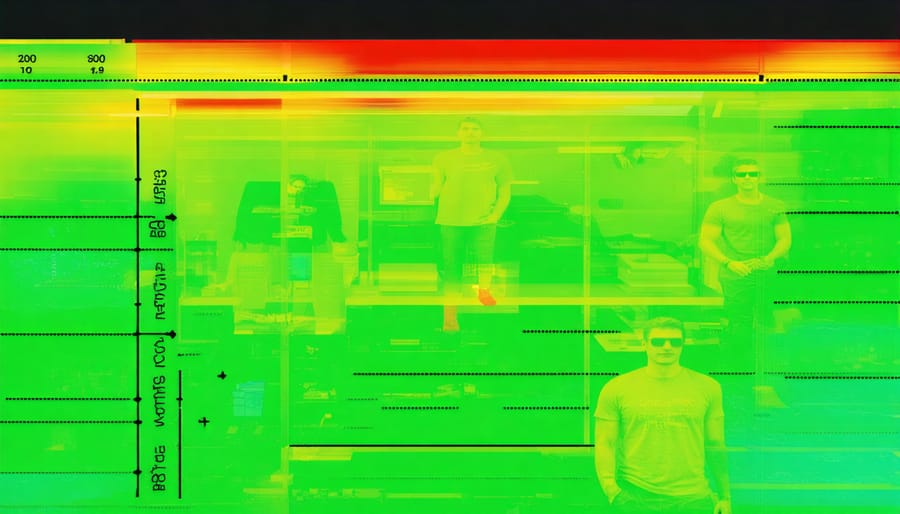
These systems track customer movement patterns, dwell times, and interaction points within retail spaces, providing valuable information about shopping behaviors and preferences. Heat mapping technology reveals high-traffic areas and bottlenecks, enabling businesses to improve store layouts and product placement strategies.
Queue management analytics help reduce wait times by predicting peak hours and optimizing staff deployment. Facial recognition technology, when implemented with proper privacy considerations, can identify returning customers and their preferences, allowing for personalized service delivery.
Demographics analysis helps businesses understand their customer base better, informing targeted marketing strategies and product selections. Emotional response tracking through facial expression analysis provides feedback on customer satisfaction and engagement with displays or products.
Real-time alerts enable staff to respond promptly to customer needs, whether it’s opening additional checkout counters during busy periods or assisting customers who appear confused or frustrated. This proactive approach to customer service significantly enhances the overall shopping experience.
By combining these insights with other data sources, businesses can create more engaging, efficient, and personalized shopping environments that drive customer satisfaction and increase sales conversion rates.
Campaign Performance Enhancement
AI-powered video analytics has revolutionized how businesses optimize their marketing campaigns, offering unprecedented insights into viewer engagement and behavior patterns. By analyzing viewer reactions, attention spans, and emotional responses, marketers can now make data-driven decisions to enhance campaign performance in real-time.
These analytics tools track key metrics such as view-through rates, drop-off points, and engagement peaks, allowing marketers to identify which content elements resonate most effectively with their target audience. For instance, businesses can determine optimal video lengths, most impactful messaging points, and most engaging visual elements based on actual viewer behavior rather than assumptions.
The technology also enables A/B testing at scale, automatically analyzing multiple video variations to identify the best-performing content. Marketers can test different introductions, calls-to-action, and visual styles simultaneously, dramatically reducing the time needed to optimize campaign materials.
Perhaps most importantly, AI video analytics provides predictive insights about content performance before full campaign deployment. By analyzing historical data and current trends, these systems can forecast potential engagement rates and suggest improvements to maximize ROI.
This data-driven approach to campaign optimization has shown impressive results, with businesses reporting up to 40% improvement in engagement rates and 25% reduction in customer acquisition costs when implementing AI-powered video analytics solutions. The technology continues to evolve, offering increasingly sophisticated analysis capabilities while maintaining user-friendly interfaces accessible to marketing teams of all sizes.
Implementation Strategies for Success
Technology Integration Steps
Successfully implementing AI-powered video analytics requires a structured approach. Begin by assessing your current video infrastructure and defining clear objectives for what you want to achieve with the technology. This initial evaluation will help determine the scope and scale of your implementation.
Next, select an appropriate AI video analytics solution that aligns with your business needs. Consider factors such as scalability, integration capabilities, and vendor support. Ensure the chosen platform can handle your expected video volume and provides the specific analytics features you require.
Create a detailed implementation timeline and allocate necessary resources. This includes designating team members responsible for managing the system and establishing training protocols. Schedule regular check-ins to monitor progress and address any challenges that arise during deployment.
Start with a pilot program in a controlled environment. This allows you to test the system’s effectiveness and make necessary adjustments before full-scale deployment. During this phase, focus on gathering feedback from end-users and measuring performance against predetermined KPIs.
Finally, develop a maintenance and optimization strategy. Regular system updates, performance monitoring, and continuous staff training are essential for long-term success. Document best practices and create standard operating procedures to ensure consistent usage across your organization.
Remember to prioritize data security and compliance throughout the implementation process. Establish proper protocols for data handling and ensure all privacy regulations are met.
Best Practices and Common Pitfalls
When implementing AI-powered video analytics, success largely depends on following established best practices while avoiding common pitfalls. First, ensure your data collection strategy is well-defined and aligned with your business objectives. Start with clear, measurable goals and identify specific metrics that matter to your organization.
Quality data is crucial – invest in high-resolution video sources and maintain consistent recording conditions when possible. Regular system calibration and maintenance help prevent degradation in analysis accuracy over time.
Avoid the temptation to analyze everything at once. Instead, begin with pilot projects focused on specific use cases, then scale gradually based on results. This approach helps manage resources effectively and demonstrates ROI more clearly.
Common mistakes include insufficient staff training, poor change management, and inadequate privacy considerations. Ensure your team understands both the capabilities and limitations of the system, and establish clear protocols for data handling and privacy compliance.
Integration with existing systems is another critical consideration. Many organizations fail to properly sync their video analytics with other business tools, resulting in data silos. Plan your integration strategy early and ensure compatibility with your current technology stack.
Lastly, don’t neglect ongoing monitoring and optimization. Regular performance reviews and system updates are essential for maintaining accuracy and effectiveness. Create feedback loops to continuously improve your analysis models and adjust parameters based on real-world results.
Future Market Trends and Opportunities
The AI-powered video analytics market is poised for significant growth, driven by several emerging trends that are reshaping how businesses leverage visual data. Real-time processing capabilities, enhanced by edge computing, are becoming increasingly sophisticated, allowing for immediate actionable insights. This advancement in AI marketing intelligence is particularly valuable for retail and security applications.
Integration with 5G networks is expected to accelerate market growth, enabling faster data transmission and analysis of high-definition video streams. This will open new opportunities for applications in smart cities, transportation, and public safety sectors. The market is also seeing a surge in demand for cloud-based video analytics solutions, making the technology more accessible to businesses of all sizes.
Emerging opportunities include the expansion of emotional recognition technology, which can analyze customer reactions and engagement levels in retail environments. The healthcare sector is expected to become a major growth driver, with applications ranging from patient monitoring to surgical procedure analysis.
Privacy-preserving analytics technologies are gaining traction, addressing growing concerns about data protection while maintaining analytical capabilities. This trend is likely to drive innovation in federated learning and edge computing solutions that process data locally.
Industry experts predict that by 2025, AI-powered video analytics will become a standard component of business intelligence systems, with particular growth in:
– Predictive maintenance in manufacturing
– Customer journey mapping in retail
– Security and surveillance automation
– Healthcare monitoring systems
– Smart traffic management solutions
These developments suggest a robust growth trajectory for the market, with opportunities for both established players and innovative startups to create value through specialized solutions.
The AI-powered video analytics market represents a transformative opportunity for businesses seeking to enhance their marketing effectiveness and operational efficiency. As we’ve explored, this technology offers unprecedented insights into customer behavior, security monitoring, and process optimization. To get started, focus on identifying specific use cases within your organization where video analytics can provide immediate value. Begin with a pilot program in one key area, whether it’s retail analytics, security monitoring, or customer engagement tracking. Partner with reputable vendors who offer scalable solutions and comprehensive support. Stay informed about emerging trends and regulatory requirements while maintaining a balance between innovation and practical implementation. By taking a strategic approach to AI video analytics adoption, businesses can position themselves for sustainable growth and competitive advantage in an increasingly data-driven marketplace.
Leave a Reply