How Contextual Personalization Transforms Your Marketing ROI

Contextual personalization transforms generic marketing messages into highly targeted experiences that drives real revenue through real-time adaptation to customer behavior, preferences, and situational context. Unlike basic personalization that relies solely on demographic data, contextual personalization leverages dynamic factors such as browsing history, time of day, device type, and location to deliver precisely tailored content at the perfect moment.
By analyzing customer interactions across multiple touchpoints, businesses can create sophisticated personalization models that predict and respond to individual needs before they’re explicitly expressed. This advanced approach to customer engagement has become essential in today’s digital landscape, where consumers expect brands to understand and anticipate their requirements seamlessly.
Recent studies show that contextual personalization can increase conversion rates by up to 300% compared to traditional segmentation methods. Leading brands implementing this strategy report significant improvements in customer satisfaction, engagement metrics, and bottom-line results. For businesses ready to elevate their marketing effectiveness, contextual personalization represents the next evolution in customer experience optimization.
Beyond Basic Segmentation: Understanding Contextual Personalization
Real-Time Context vs. Static Profiles
Traditional static customer profiles, while valuable, only tell part of the story. They capture historical data and general preferences but miss the dynamic nature of customer behavior. Real-time context, on the other hand, considers immediate factors like current browsing behavior, time of day, device type, and location to deliver more relevant experiences.
Think of it this way: static profiles are like a snapshot, while real-time context is more like a live video feed. Where static profiles might tell you a customer typically shops for business attire, contextual data reveals they’re currently searching for weekend casual wear on their mobile device during lunch break.
This dynamic approach allows businesses to respond to immediate customer needs and situations. For instance, a customer’s past purchases might suggest they prefer luxury items, but their current browsing pattern might indicate they’re seeking budget options. Real-time contextual personalization can adjust recommendations accordingly, creating more meaningful interactions.
The key advantage of real-time context is its ability to adapt to changing circumstances and immediate customer intent, leading to higher engagement rates and conversion opportunities.

Key Contextual Factors That Drive Engagement
Several key contextual factors play a crucial role in driving user engagement through personalized experiences. Time-based context allows businesses to deliver content when users are most likely to engage, such as promoting breakfast items in the morning or sending push notifications during peak activity hours. Location data helps tailor experiences based on where customers are, enabling region-specific offerings and localized recommendations.
Device context considers whether users are browsing on mobile, desktop, or tablet, ensuring content is optimized for their current viewing experience. Behavioral patterns, including browsing history, purchase behavior, and interaction preferences, provide insights into individual user interests and needs.
Weather conditions can influence purchasing decisions and content relevance, while social context, such as trending topics or events, helps maintain content timeliness. User status, whether logged in or anonymous, determines the level of personalization possible. Previous interactions with your brand, including customer service history and feedback, further refine the personalization strategy.
These contextual elements work together to create more meaningful, relevant experiences that resonate with users and drive higher engagement rates.
Implementing Contextual Personalization in Your Marketing Strategy
Data Collection and Analysis
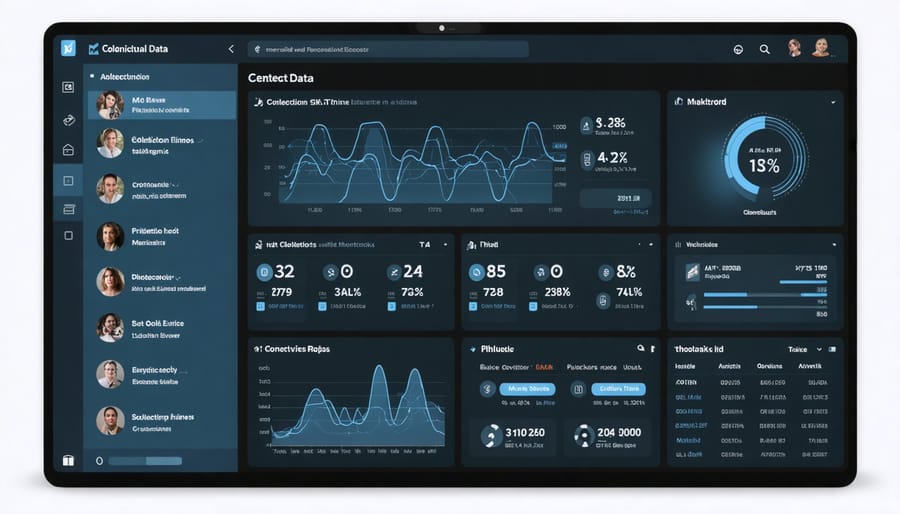
Effective data collection and analysis forms the backbone of successful contextual personalization. Organizations typically gather data through multiple touchpoints, including website interactions, social media engagement, purchase history, and customer feedback. This information is then processed using analytics tools to identify patterns and preferences.
Key data collection methods include:
– Website tracking and cookies
– Customer surveys and feedback forms
– Transaction records and browsing behavior
– Social media interactions
– Mobile app usage data
– Location-based information
Modern analytics platforms can process this data in real-time, enabling immediate personalization adjustments. The key is to focus on relevant data points that directly impact customer experience while maintaining privacy compliance. Organizations should establish clear data governance policies and ensure transparent communication about data collection practices with their customers.
To maximize effectiveness, businesses should:
– Regularly audit collected data for relevance
– Implement robust data security measures
– Use AI-powered analytics tools for faster processing
– Create customer segments based on behavioral patterns
– Test and refine personalization strategies based on results
Technology and Tools
Several powerful platforms and tools are available to implement contextual personalization effectively. Customer Data Platforms (CDPs) like Segment and Tealium unite data from multiple sources, creating comprehensive customer profiles for targeted personalization. Marketing automation platforms such as HubSpot and Marketo offer robust personalization features, allowing businesses to customize content based on user behavior and preferences.
For website personalization, tools like Dynamic Yield and Optimizely enable real-time content adaptation based on visitor characteristics and behavior patterns. These platforms offer A/B testing capabilities and machine learning algorithms to optimize personalization strategies continuously.
Content management systems (CMS) like WordPress and Drupal, when combined with personalization plugins, allow for dynamic content delivery. Analytics tools such as Google Analytics and Adobe Analytics provide valuable insights into user behavior, helping refine personalization strategies.
For email marketing, platforms like Mailchimp and Campaign Monitor offer sophisticated segmentation and personalization features. These tools integrate with most major CRMs, enabling seamless data flow and automated personalization across multiple channels.
Remember to choose tools that align with your business scale, technical capabilities, and budget constraints while ensuring they integrate well with your existing technology stack.
Testing and Optimization
Effective testing and optimization are crucial for maximizing the impact of your contextual personalization strategy. Start by establishing clear baseline metrics and KPIs that align with your business objectives. These might include conversion rates, engagement levels, time spent on site, and customer satisfaction scores.
A/B testing serves as a fundamental tool for optimizing your personalization efforts. Test different content variations, messaging approaches, and targeting parameters to identify what resonates best with specific audience segments. Remember to test one variable at a time to ensure accurate results and meaningful insights.
Regular monitoring and measuring content performance helps identify areas for improvement and optimization opportunities. Use analytics tools to track user behavior, segment performance, and content effectiveness across different contexts and channels.
Consider implementing a continuous improvement cycle:
1. Collect and analyze user data
2. Identify patterns and opportunities
3. Create and test hypotheses
4. Implement successful changes
5. Monitor results and repeat
Pay special attention to user feedback and behavioral signals that indicate whether your personalization efforts are hitting the mark. Look for signs of content fatigue, declining engagement, or negative feedback to adjust your strategy accordingly.
Remember that optimization is an ongoing process. Regularly review and update your personalization rules, segment definitions, and content triggers to ensure they remain relevant and effective as your audience’s needs evolve.
Real-World Applications and Success Stories
E-commerce Personalization
E-commerce platforms leverage contextual personalization to create highly targeted shopping experiences that adapt in real-time. By implementing effective e-commerce personalization strategies, online retailers can significantly improve conversion rates and customer satisfaction.
Leading online retailers use contextual data such as browsing history, past purchases, and current shopping behavior to customize product recommendations. For instance, when a customer searches for winter boots, the system not only displays relevant footwear but also suggests complementary items like warm socks or weather-appropriate accessories based on their location and the current season.
Cart abandonment recovery provides another powerful example of contextual personalization. When shoppers leave items in their cart, smart systems analyze the timing, product type, and previous shopping patterns to determine the optimal moment and message for follow-up communications.
Dynamic pricing and promotional offers also benefit from contextual awareness. Retailers can adjust prices and deals based on factors such as inventory levels, competitor pricing, time of day, and individual customer purchase history. A customer who frequently shops during sales might receive early access to promotions, while a first-time visitor might see an introductory discount.
Mobile shopping experiences particularly benefit from location-based personalization, with stores offering in-store pickup options, local inventory information, and region-specific promotions to nearby customers.

Content Marketing Applications
Content marketers and publishers leverage contextual personalization to deliver more relevant and engaging content experiences to their audiences. By analyzing user behavior, demographics, and real-time contextual signals, they can dynamically adjust content recommendations, email newsletters, and website experiences to match individual preferences and needs.
Publishers implement contextual personalization through various strategies, including dynamic content blocks that adjust based on user segments, personalized article recommendations, and adaptive landing pages. For example, a business publication might show different headlines or featured stories to C-level executives versus middle managers, ensuring each group sees content most relevant to their roles.
Content marketers use this approach to create more targeted lead magnets, blog posts, and email campaigns. They might adjust case studies shown to prospects based on industry verticals, company size, or specific pain points identified through behavioral data. This targeted approach typically results in higher engagement rates and improved conversion metrics.
Some practical applications include:
– Customizing content topics based on previous reading history
– Adjusting content depth and complexity based on expertise level
– Personalizing call-to-action placement and messaging
– Tailoring content format preferences (video, text, or interactive)
– Modifying content delivery timing based on engagement patterns
The key to successful implementation lies in maintaining a balance between personalization and privacy while ensuring content remains authentic and valuable to the target audience.
Contextual personalization represents a powerful shift in how businesses connect with their audiences. By leveraging real-time data, behavioral patterns, and situational factors, organizations can create more meaningful and engaging experiences for their customers. The key to success lies in starting small and scaling gradually, focusing first on collecting quality data and understanding your audience segments.
To implement contextual personalization effectively, begin by auditing your current data collection methods and identifying gaps in your customer intelligence. Next, select appropriate tools and platforms that align with your business goals and technical capabilities. Remember that personalization is an iterative process – continuous testing and refinement are essential for optimal results.
Success in contextual personalization requires a balance between automation and human oversight. While AI and machine learning can handle data processing and basic decision-making, human insight remains crucial for strategy development and ensuring messaging remains authentic and brand-appropriate.
Looking ahead, businesses should focus on:
– Developing clear privacy policies and data handling procedures
– Training teams to interpret and act on personalization insights
– Creating scalable content frameworks that support personalization
– Establishing metrics to measure personalization effectiveness
– Regularly reviewing and updating personalization strategies
By taking these steps and maintaining a customer-first approach, organizations can build a robust contextual personalization framework that drives engagement, loyalty, and business growth.
Leave a Reply