How Gamification Transforms Brand Advertising (And Why It Works)

Transform your advertising campaigns into engaging experiences by leveraging gamification’s proven 70% increase in consumer engagement rates. Modern consumers demand more than passive advertisements – they seek interactive experiences that reward participation and create memorable brand connections. Through interactive content platforms and strategic game mechanics, businesses are turning casual viewers into active participants, driving both engagement and conversion rates to unprecedented levels.
Leading brands like Nike, Starbucks, and McDonald’s have demonstrated gamification’s power to boost customer retention by up to 40% through reward systems, achievement badges, and competitive elements. By incorporating game-like features such as points, leaderboards, and challenges into advertising campaigns, marketers create dopamine-triggering experiences that keep audiences coming back for more.
This comprehensive guide explores proven gamification strategies that transform traditional advertising approaches into interactive experiences, complete with implementation frameworks, ROI measurement techniques, and real-world case studies from successful campaigns. Whether you’re launching a mobile app or enhancing social media engagement, these battle-tested methods will help you capture and maintain customer attention in today’s competitive digital landscape.
Why Gamification Drives Brand Engagement
The Psychology of Play in Marketing
Game mechanics in marketing tap into core psychological drivers that motivate human behavior. The fundamental elements of play – achievement, competition, and reward – activate the brain’s pleasure centers, releasing dopamine and creating positive associations with branded experiences.
These psychological triggers work on multiple levels. Achievement-based mechanics, such as point systems and progress bars, appeal to our innate desire for completion and mastery. Social competition taps into our comparative nature, driving engagement through leaderboards and challenges. Reward systems, whether through badges, exclusive content, or real-world benefits, satisfy our need for recognition and reinforcement.
The power of gamification lies in its ability to transform passive consumers into active participants. When people feel they’re making meaningful progress or competing for valuable rewards, they’re more likely to maintain long-term engagement with a brand. This engagement creates stronger emotional connections and memorable experiences that traditional advertising often struggles to achieve.
By understanding these psychological principles, marketers can design more effective gamified campaigns that naturally align with human motivation patterns, leading to higher engagement rates and better campaign outcomes.
Engagement Metrics That Matter
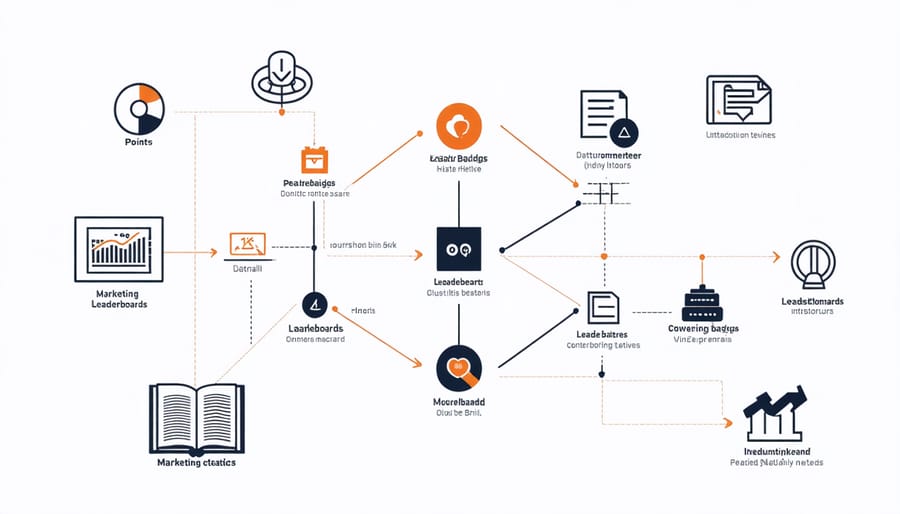
When measuring the success of gamified advertising campaigns, several key metrics stand out as particularly valuable indicators. Click-through rates (CTR) for gamified ads typically show a 20-30% improvement over traditional display advertising. Time spent engaging with the brand is another crucial metric, with gamified campaigns averaging 5-7 minutes of active interaction compared to mere seconds for standard ads.
User participation rates serve as a primary indicator of campaign effectiveness, with successful gamified ads achieving participation rates of 40-60% among exposed audiences. Completion rates for game-based challenges often exceed 70% when properly designed, indicating strong user engagement throughout the experience.
Social sharing metrics are equally important, as gamified campaigns tend to generate 3-4 times more organic shares than traditional advertising. Customer data collection rates also improve significantly, with users being 25% more likely to provide personal information through gamified experiences.
Return on investment (ROI) metrics show that gamified campaigns typically deliver 30-40% better conversion rates and a 15-20% increase in brand recall compared to conventional advertising methods. These engagement metrics demonstrate the tangible benefits of incorporating game mechanics into advertising strategies.
Successful Gamification Strategies in Modern Advertising
Reward Systems That Convert
Effective reward systems in gamified advertising campaigns are crucial for driving engagement and converting casual viewers into loyal customers. The key lies in implementing rewards that align with your audience’s motivations while supporting your marketing objectives.
Points-based systems remain one of the most versatile reward mechanisms, especially when combined with personalization strategies. These systems work particularly well for long-term engagement, allowing customers to accumulate points for various actions and redeem them for meaningful rewards.
Tiered rewards have proven highly effective in creating sustained engagement. By establishing different levels (bronze, silver, gold, etc.), businesses can motivate customers to progress through achievement milestones. This structure creates a sense of advancement and exclusivity, driving continued participation.
Immediate gratification rewards, such as instant discounts or exclusive content access, are excellent for quick conversions. These work best when targeting new customers or promoting specific products.
Achievement badges and virtual recognition tap into users’ desire for status and accomplishment. While they may not have monetary value, they significantly boost engagement when properly implemented.
For optimal results, consider implementing a hybrid reward system that combines:
– Immediate rewards for quick wins
– Progressive achievements for long-term engagement
– Social recognition elements
– Exclusive access or early-bird opportunities
– Tangible benefits like discounts or free products
Remember to regularly analyze reward redemption rates and adjust your offerings based on user behavior and preferences.
Social Competition Elements
Social competition elements tap into fundamental human psychology by leveraging our natural desire to compete, compare, and achieve recognition among peers. When implemented in advertising campaigns, these elements can significantly boost engagement and brand awareness.
Leaderboards, rankings, and social sharing features create a compelling environment where users actively participate to outperform others. For example, brands can implement point-based systems where customers earn scores for various interactions, from purchases to social shares, displaying top performers on public leaderboards.
Team-based challenges are particularly effective, as they combine competitive spirit with collaborative effort. Brands like Nike have successfully used this approach with their running apps, where users join teams and compete against other groups while supporting their teammates.
Social proof elements, such as badges and achievements, serve dual purposes: they reward individual accomplishment while encouraging others to participate. When users share their achievements on social media, it creates organic brand exposure and attracts new participants to the campaign.
To maximize effectiveness, consider these key strategies:
– Create tiered achievement levels to maintain long-term engagement
– Implement real-time progress tracking
– Offer meaningful rewards that align with your brand
– Enable easy social sharing options
– Design challenges that encourage regular participation
Remember to maintain a balance between competition and accessibility, ensuring new participants can join and compete meaningfully at any time. This approach helps sustain campaign momentum while building a community around your brand.
Progress Tracking and Achievement Systems
Progress tracking and achievement systems serve as powerful motivators in advertising campaigns by tapping into users’ natural desire for completion and recognition. These systems typically include progress bars that show advancement toward specific goals, level-up mechanisms that reward continued engagement, and achievement badges that acknowledge specific accomplishments.
Implementing progress bars in advertising campaigns can significantly boost engagement rates by creating a sense of investment and momentum. For example, loyalty programs often display progress toward rewards, showing customers how close they are to earning their next benefit. This visual representation of progress encourages continued participation and reduces dropout rates.
Level systems add depth to advertising campaigns by creating multiple tiers of engagement. Brands can structure these levels to reward different behaviors, from basic participation to advanced advocacy. Each level should offer unique benefits or recognition, encouraging users to progress through the system.
Achievement badges work particularly well in social media campaigns and mobile apps, where users can showcase their accomplishments. These digital rewards should be meaningful and challenging enough to maintain interest while remaining attainable. Successful implementations often include:
– Time-based achievements for consistent engagement
– Action-based rewards for specific behaviors
– Social achievements for community participation
– Milestone badges for reaching key targets
To maximize effectiveness, these systems should be transparent, fair, and aligned with your brand’s overall marketing objectives. Regular updates and new achievements help maintain long-term engagement while providing valuable data on user behavior and campaign performance.
Implementation Guide for Brands
Selecting the Right Game Mechanics
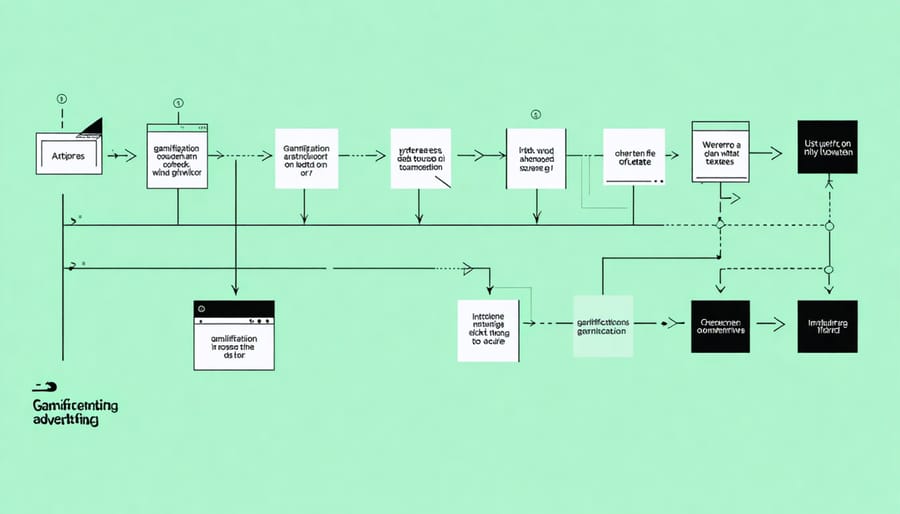
Selecting the right game mechanics for your advertising campaign requires careful consideration of your brand identity, target audience, and marketing objectives. Start by identifying your primary campaign goals – whether it’s increasing engagement, driving sales, or building brand awareness. This will help narrow down the most suitable gaming elements.
For awareness-focused campaigns, simple mechanics like quizzes, polls, or digital scratch cards work well as they require minimal user commitment. If your goal is engagement, consider implementing point systems, leaderboards, or challenges that encourage repeated interactions with your brand.
Match the complexity level to your audience’s gaming experience. Tech-savvy millennials might appreciate sophisticated mechanics like augmented reality or complex reward systems, while general audiences may respond better to straightforward “spin-to-win” or instant reward mechanics.
Your brand personality should guide the game style. Playful brands can experiment with animated characters and vibrant rewards, while professional brands might opt for more subtle mechanics like progress bars or achievement badges.
Consider these key factors when selecting mechanics:
– Implementation time and cost
– Mobile compatibility
– User learning curve
– Reward structure feasibility
– Data collection capabilities
– Integration with existing platforms
Always test your chosen mechanics with a small audience segment before full deployment. Monitor engagement metrics and user feedback to refine the experience and ensure it resonates with your target audience while delivering on your marketing objectives.
Technical Integration Considerations
When implementing gamification in your advertising campaigns, selecting the right technological platform is crucial for success. Start by evaluating your existing marketing tech stack and identifying platforms that offer gamification features or integrate easily with third-party gamification tools. Popular options include customer relationship management (CRM) systems with gaming modules, dedicated gamification platforms, and custom-built solutions.
Consider your target audience’s preferred devices and platforms. Mobile-first solutions are essential, as most users engage with interactive content on smartphones. Ensure cross-platform compatibility and seamless integration with your current advertising channels, whether they’re social media platforms, websites, or mobile apps.
Technical requirements typically include:
– API integration capabilities
– Real-time data processing
– Secure user data handling
– Analytics tracking
– Scalable infrastructure
– Mobile responsiveness
Focus on user experience optimization during implementation. The gaming elements should load quickly, function smoothly, and provide instant feedback to users. Consider using progressive web apps (PWAs) for better performance and offline capabilities.
Work with your IT team or development partner to establish clear technical specifications and testing protocols. Regular performance monitoring and updates are essential to maintain engagement and prevent technical issues that could compromise the user experience. Start with a pilot program to test integration points and gather user feedback before full-scale deployment.
Measuring Success and Optimization
To effectively measure the success of gamified advertising campaigns, businesses need to establish clear Key Performance Indicators (KPIs) aligned with their digital engagement strategies. Start by tracking basic metrics like participation rates, completion rates, and time spent engaging with the gamified elements. More sophisticated measurements should include conversion rates, lead quality scores, and customer lifetime value comparisons between gamified and traditional campaigns.
Set up proper analytics tracking by implementing tools like Google Analytics 4, heat mapping software, and customer journey tracking. These tools help monitor user behavior, identify drop-off points, and understand which game mechanics are most effective at driving desired actions.
Regular A/B testing is crucial for optimization. Test different game elements, reward structures, and difficulty levels to find the perfect balance that maintains user interest while achieving business objectives. Pay special attention to:
– User progression rates through different game levels
– Reward redemption patterns
– Social sharing metrics
– Return visitor rates
– Average session duration
Create a feedback loop by collecting user surveys and analyzing player behavior data. Use these insights to make data-driven adjustments to your gamified elements. Remember that successful optimization is an ongoing process – regularly review performance metrics and adjust your strategy based on real-world results.
As we’ve explored throughout this article, gamification has revolutionized the advertising landscape by creating more engaging, interactive, and memorable brand experiences. The integration of game mechanics into advertising campaigns has proven to be more than just a trend – it’s becoming an essential strategy for brands looking to capture and retain audience attention in an increasingly competitive digital space.
The success of gamified advertising lies in its ability to transform passive consumers into active participants. By incorporating elements such as rewards, challenges, and competitive features, businesses have seen significant improvements in engagement rates, brand recall, and customer loyalty. The data consistently shows that gamified ads outperform traditional advertising formats across multiple metrics, including click-through rates and conversion rates.
Looking ahead, several emerging trends will shape the future of gamified advertising. Augmented reality (AR) and virtual reality (VR) technologies are expected to create even more immersive advertising experiences. The rise of blockchain technology and NFTs opens new possibilities for reward systems and digital ownership within gamified campaigns. Additionally, artificial intelligence will enable more personalized and adaptive gaming experiences in advertising.
For businesses considering implementing gamification in their advertising strategy, the key to success lies in maintaining authenticity while creating genuine value for the audience. The most effective gamified campaigns are those that align with brand values, meet specific marketing objectives, and provide meaningful interactions for users.
As mobile technology continues to advance and consumer expectations evolve, we can expect to see more sophisticated and integrated gamification strategies. The future of advertising will likely see a deeper fusion between entertainment, engagement, and commercial objectives, making gamification an increasingly vital component of successful marketing campaigns.
Remember that successful implementation requires careful planning, clear objectives, and continuous optimization based on user feedback and performance metrics. By staying informed about industry trends and maintaining focus on user experience, businesses can effectively leverage gamification to create more impactful and results-driven advertising campaigns.
Leave a Reply