How Sustainability is Reshaping Consumer Shopping Habits in 2024

Consumer behavior is undergoing a seismic shift in 2024, driven by technological advancement, sustainability concerns, and evolving economic pressures. Modern consumers increasingly prioritize personalized experiences, environmental responsibility, and digital convenience, fundamentally reshaping how businesses must approach their marketing strategies. Consumer sentiment analysis reveals that 73% of shoppers now research products extensively online before making purchases, while 65% actively seek brands that align with their personal values.
This dramatic transformation in purchasing patterns demands a strategic response from businesses. The intersection of artificial intelligence, sustainability initiatives, and digital commerce has created a marketplace where traditional marketing approaches no longer suffice. Companies must adapt to these emerging trends or risk losing market share to more agile competitors who better understand and respond to evolving consumer preferences.
For marketers and business leaders, understanding these shifting dynamics isn’t just about survival—it’s about capitalizing on new opportunities in a rapidly evolving marketplace. The following analysis examines the most significant trends shaping consumer behavior and provides actionable insights for businesses looking to thrive in this new landscape.
The Rise of Conscious Consumption
Value-Based Purchasing
Today’s consumers are increasingly making purchasing decisions based on their personal environmental and social values. Research shows that 73% of millennials are willing to spend more on brands that demonstrate genuine commitment to sustainable practices. This shift towards value-based purchasing represents a fundamental change in consumer behavior that businesses must address.
Consumers now actively seek products and services that align with their environmental consciousness, ethical standards, and social responsibility values. They’re scrutinizing everything from manufacturing processes and supply chain transparency to corporate social responsibility initiatives and environmental impact.
Key factors driving this trend include increased awareness of environmental issues, social media influence, and better access to information about company practices. Businesses are responding by highlighting their sustainability credentials, implementing ethical sourcing policies, and developing eco-friendly product lines.
To capitalize on this trend, companies should:
– Clearly communicate their environmental and social initiatives
– Ensure transparency in their supply chain
– Develop sustainable packaging solutions
– Create authentic messaging that resonates with value-conscious consumers
– Back up sustainability claims with concrete actions and certifications
This value-driven approach to purchasing is expected to continue growing, making it essential for businesses to adapt their strategies accordingly.
Digital Tools for Sustainable Shopping
The rise of sustainable shopping apps and digital platforms has revolutionized how consumers make environmentally conscious purchasing decisions. These innovative tools leverage advanced market analysis tools to provide real-time sustainability metrics and product alternatives.
Popular apps like Good On You and Think Dirty now enable consumers to instantly scan products and receive detailed sustainability ratings, while platforms such as Done Good aggregate eco-friendly brands in one convenient marketplace. These digital solutions typically evaluate factors including carbon footprint, ethical labor practices, and packaging sustainability.
Browser extensions have also gained traction, with tools like Eco-Cart automatically calculating the environmental impact of online purchases and offering carbon offset options. Meanwhile, blockchain-based platforms provide transparency in supply chains, allowing consumers to verify product origins and sustainability claims.
For businesses, these digital tools represent both an opportunity and a challenge. While they facilitate better connection with environmentally conscious consumers, they also demand greater transparency and accountability in sustainability practices. Companies must ensure their products meet the increasingly sophisticated criteria these platforms use to evaluate environmental impact.

Circular Economy Preferences
Second-Hand Market Growth
The second-hand market has experienced unprecedented growth in recent years, with global resale platforms reporting double-digit increases in transaction volumes. This shift reflects a fundamental change in consumer attitudes toward pre-owned items, driven by environmental consciousness, budget considerations, and the desire for unique products.
Market research indicates that 62% of consumers are now more willing to purchase second-hand items than they were five years ago. This trend is particularly pronounced among millennials and Gen Z consumers, who prioritize sustainability and value authenticity over newness. The resale market is expected to reach $77 billion in value by 2025, growing 11 times faster than traditional retail.
Businesses are responding to this trend by incorporating resale models into their operations. Major retailers are launching their own resale platforms, while dedicated second-hand marketplaces are implementing sophisticated authentication processes to build consumer trust. The luxury segment has seen particularly strong growth, with pre-owned luxury items becoming increasingly desirable among status-conscious consumers.
Digital technology has been crucial in driving this growth, with mobile apps and AI-powered platforms making it easier than ever to buy and sell second-hand items. These platforms offer enhanced user experiences, secure payment systems, and reliable verification processes, addressing traditional concerns about purchasing pre-owned goods.
For businesses, this shift presents opportunities to develop circular economy initiatives and tap into environmentally conscious consumer segments while maintaining profitability.
Product Lifecycle Awareness
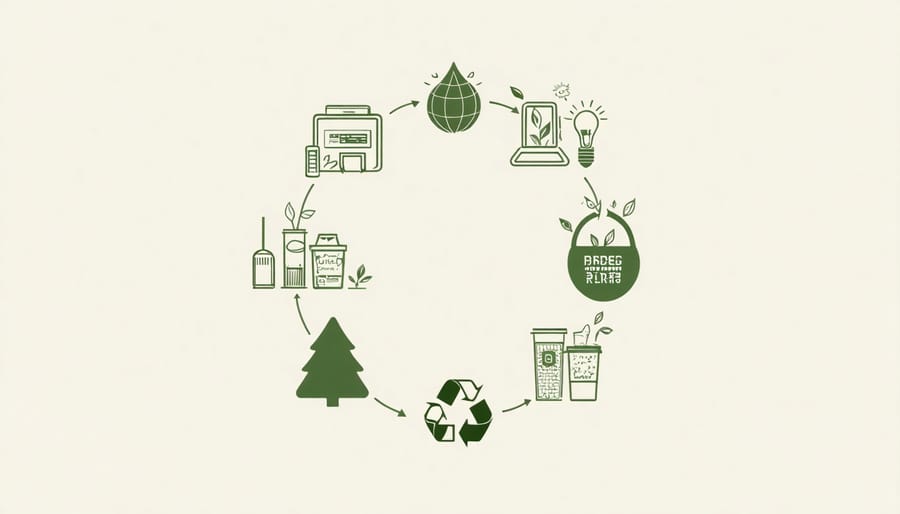
Modern consumers are increasingly concerned about the environmental impact of their purchases, leading to a significant shift in how they evaluate product lifecycles. Research shows that 73% of consumers consider product durability and disposal options when making purchasing decisions, marking a notable change in shopping behavior.
This heightened awareness has prompted consumers to seek products with longer lifespans and clear end-of-life solutions. They’re actively looking for items that can be repaired, recycled, or biodegraded, moving away from the traditional “buy and dispose” mindset. Companies that offer repair services, take-back programs, or clear recycling instructions are gaining competitive advantages in the market.
Businesses are responding by adopting circular economy principles and incorporating lifecycle information into their product packaging and marketing materials. This includes transparent communication about material sourcing, manufacturing processes, and disposal guidelines. Some brands have introduced innovative solutions like modular designs that allow for easy repairs or upgrades, extending product lifespan and reducing waste.
The trend is particularly strong among younger demographics, with millennials and Gen Z showing the highest preference for brands that demonstrate environmental responsibility. This shift has created new opportunities for businesses to differentiate themselves through sustainable practices and clear lifecycle management strategies, while also meeting growing consumer demands for transparency and environmental stewardship.
Digital Marketing’s Role in Sustainable Consumption
Transparency and Authentication
In today’s digital marketplace, consumers are increasingly demanding proof of sustainability claims, driving businesses to adopt innovative verification tools. Modern technology has revolutionized how companies demonstrate their environmental commitments, with blockchain-based tracking systems leading the way in supply chain transparency.
Digital certification platforms now enable businesses to verify and display their sustainability credentials in real-time. These tools provide consumers with instant access to detailed information about product origins, manufacturing processes, and environmental impact. QR codes and smart labels have become standard features on packaging, allowing customers to trace products from source to shelf.
Social proof platforms and third-party verification services have gained prominence in tracking consumer preferences and validating sustainability claims. These platforms aggregate user reviews, environmental certifications, and impact metrics, making it easier for consumers to make informed purchasing decisions.
Companies are also leveraging AI-powered analytics to monitor and report their sustainability efforts transparently. These systems can track carbon footprints, verify ethical sourcing practices, and generate comprehensive sustainability reports that resonate with environmentally conscious consumers.
For businesses looking to build trust, implementing these verification tools has become essential. Consumers are more likely to support brands that provide clear, verifiable evidence of their sustainability initiatives, making transparency not just an ethical choice but a crucial business strategy.
Social Media Impact
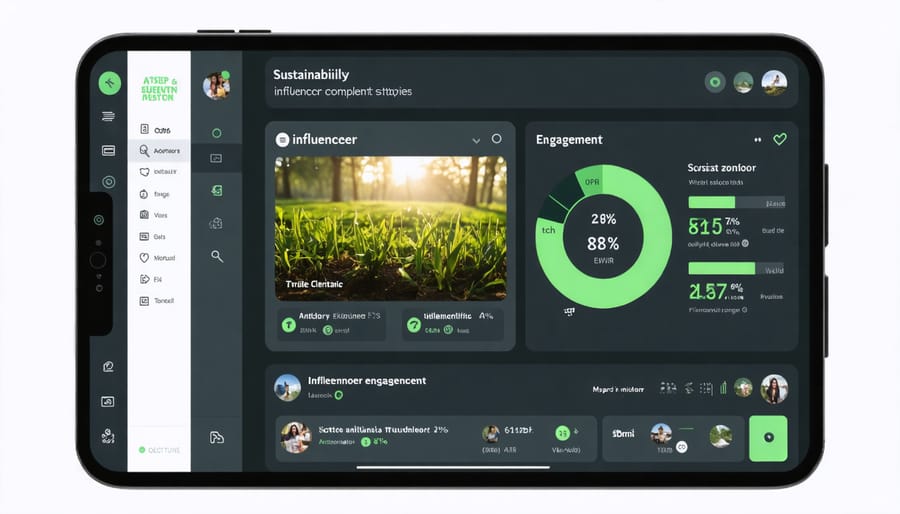
Social media platforms have become powerful catalysts for sustainable purchasing decisions, with 78% of consumers reporting that their buying choices are influenced by content they encounter on social networks. This shift is particularly evident among millennials and Gen Z consumers, who actively seek out and engage with sustainability-focused content.
Instagram and Pinterest lead the charge in visual inspiration for sustainable products, with eco-friendly lifestyle content generating 3.5 times more engagement than traditional product posts. Consumers are increasingly using these platforms to research brands’ environmental credentials and verify their sustainability claims through user-generated content and community feedback.
The rise of sustainability influencers has created new channels for eco-conscious messaging, with micro-influencers showing particularly strong conversion rates for sustainable products. These authentic voices help bridge the gap between brands and consumers, providing trusted recommendations and practical advice for sustainable living.
Social media’s real-time nature also enables immediate consumer feedback on sustainable initiatives, helping brands refine their approaches quickly. Companies that actively engage in sustainability conversations and showcase their environmental efforts through social channels report a 23% increase in customer trust and loyalty.
To leverage this trend, businesses should:
– Share behind-the-scenes content of sustainable practices
– Engage with eco-conscious communities
– Utilize platform-specific features to highlight green initiatives
– Encourage user-generated content around sustainable product use
– Maintain transparency about environmental impact and goals
Business Adaptation Strategies
Digital Communication Strategies
In today’s digital landscape, effectively communicating sustainability initiatives requires a strategic blend of transparency, authenticity, and engagement. Consumers increasingly expect brands to showcase their environmental commitments through various digital channels, making it essential to develop a cohesive online communication strategy.
Social media platforms serve as primary channels for sustainability messaging, with Instagram and LinkedIn proving particularly effective for visual storytelling and professional updates. When sharing sustainability content, focus on concrete actions and measurable results rather than vague promises. For example, highlight specific recycling achievements, energy-saving measures, or waste reduction statistics through infographics and short-form videos.
Email marketing remains a powerful tool for detailed sustainability communications. Regular newsletters can feature behind-the-scenes looks at sustainable practices, progress updates on environmental goals, and educational content about eco-friendly initiatives. Ensure these communications maintain a balance between informative and engaging content, using data visualization to make complex information more digestible.
Website content should clearly outline sustainability commitments and progress through dedicated landing pages and regular blog updates. Implement interactive elements such as sustainability calculators or impact trackers to enhance user engagement. Consider creating downloadable sustainability reports or guides that provide in-depth information for interested stakeholders.
To maximize effectiveness, maintain consistency across all digital channels while adapting the message format to suit each platform’s unique characteristics. Monitor engagement metrics and gather feedback to continuously refine your communication strategy, ensuring your sustainability message resonates with your target audience while driving meaningful action.
Marketing Automation for Sustainability
In today’s sustainability-focused market, marketing automation has become an essential tool for businesses looking to track and promote their eco-friendly initiatives effectively. By leveraging advanced data analytics and automated systems, companies can now monitor their sustainability metrics in real-time while engaging environmentally conscious consumers more efficiently.
Marketing automation platforms are increasingly incorporating sustainability tracking features, allowing businesses to measure and communicate their environmental impact automatically. These tools can track carbon footprint reductions, monitor sustainable supply chain practices, and generate automated reports on eco-friendly initiatives. This data-driven approach enables companies to demonstrate their commitment to sustainability while maintaining operational efficiency.
The automation of sustainability messaging helps ensure consistent communication across all marketing channels. Automated email campaigns can share updates on green initiatives, social media schedulers can maintain regular posts about sustainability efforts, and customer relationship management (CRM) systems can segment environmentally conscious consumers for targeted messaging.
Smart triggers and personalization features allow businesses to deliver relevant sustainability content based on consumer behavior and preferences. For instance, customers who frequently purchase eco-friendly products can automatically receive information about new sustainable offerings or environmental initiatives. This targeted approach not only improves engagement but also helps build lasting relationships with environmentally conscious consumers.
By automating sustainability tracking and communication, businesses can maintain transparency while reducing the resource burden of manual reporting and marketing efforts.
As we’ve explored throughout this article, consumer behavior continues to evolve rapidly in response to technological advancements, social consciousness, and economic factors. The shift towards digital-first shopping experiences, increased demand for sustainable products, and preference for personalized interactions have become paramount in shaping purchasing decisions.
For businesses to stay competitive in this dynamic landscape, several action steps are crucial. First, invest in robust digital infrastructure that supports omnichannel shopping experiences while maintaining seamless integration across all customer touchpoints. Second, develop transparent sustainability practices and clearly communicate these efforts to increasingly eco-conscious consumers. Third, leverage data analytics to understand and predict consumer preferences, enabling more targeted and personalized marketing strategies.
The rise of social commerce, voice shopping, and contactless payments indicates that convenience and technology will continue to drive consumer choices. Businesses must remain agile and ready to adapt to these emerging trends while maintaining authentic connections with their customers.
Moving forward, success will depend on finding the right balance between automation and human touch, sustainability and profitability, and personalization and privacy. Companies that can effectively navigate these priorities while staying true to their core values will be best positioned to meet evolving consumer expectations and maintain competitive advantage in the marketplace.
Leave a Reply