Video Marketing Strategies That Actually Convert Viewers Into Customers
Video marketing delivers measurable results when you align content with specific business objectives and distribution channels. Start by defining one primary goal—whether driving website traffic, generating leads, or increasing product awareness—then reverse-engineer your video format, length, and call-to-action accordingly. A 60-second product demo serves different purposes than a 10-minute educational tutorial.
Prioritize mobile-first production since 75% of video consumption happens on smartphones. Shoot in vertical or square formats, add captions for sound-off viewing, and keep your core message within the first 15 seconds. These adjustments require no additional budget but dramatically improve completion rates and engagement.
Repurpose every video across multiple platforms with platform-specific modifications. Transform a YouTube tutorial into Instagram Reels snippets, LinkedIn thought leadership posts, and email campaign content. This multiplication strategy maximizes your production investment while reaching audiences where they already spend time.
Implement automated email sequences that deliver relevant video content based on viewer behavior and stage in the customer journey. When someone watches 75% of your introductory video, trigger a follow-up email with a deeper-dive resource. This creates personalized touchpoints without manual intervention, nurturing prospects efficiently while you focus on high-value client communication.
Track view-through rates, click-through rates, and conversion metrics rather than vanity metrics like total views. These performance indicators reveal which video strategies generate actual business outcomes and deserve expanded investment.
Why Video Marketing Outperforms Traditional Content
Video content consistently delivers superior performance metrics compared to traditional text and static images. Research from Wyzowl reveals that 89% of consumers want to see more video from brands, while HubSpot data shows video drives a 157% increase in organic traffic from search engines.
The engagement advantage is substantial. Social media posts with video generate 48% more views and 1200% more shares than text and image content combined. This amplification effect occurs because video captures attention in crowded feeds and holds viewers longer than other formats. The average user spends 88% more time on websites containing video, directly impacting SEO rankings and conversion opportunities.
Conversion metrics tell an equally compelling story. Including video on landing pages can increase conversions by 80%, while email campaigns featuring video see click-through rates improve by 300%. These numbers reflect video’s unique ability to communicate complex information quickly while building emotional connections that static content cannot match.
Modern consumer behavior strongly favors video consumption. Mobile users consume video content 1.5 times more than desktop users, and 75% of all video plays now occur on mobile devices. This shift aligns with how people prefer to learn about products, with 73% of consumers stating they’d rather watch a short video than read text when researching purchases.
Video also accommodates varied learning styles and shortened attention spans. A one-minute video can convey the equivalent of 1.8 million words, making it the most efficient format for busy decision-makers. Additionally, viewers retain 95% of messages delivered through video compared to just 10% from reading text, making video essential for brand recall and message retention in competitive markets.
Setting Clear Goals for Your Video Marketing Campaign
Aligning Video Strategy With Business Objectives
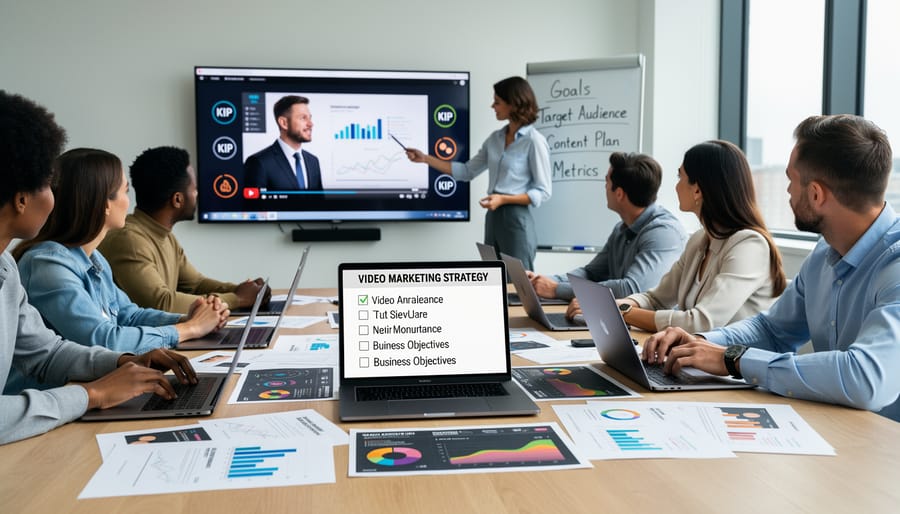
Your video marketing strategy should serve as a direct pathway to measurable business outcomes, not just creative expression. Start by identifying your primary objective: Are you driving product sales, building brand recognition, or generating qualified leads?
For sales-focused campaigns, create product demonstration videos and customer testimonials that address specific pain points in your sales cycle. Track metrics like click-through rates to product pages and conversion rates to measure impact. If brand awareness is your goal, focus on educational content and thought leadership videos that expand your reach. Monitor view counts, social shares, and audience growth rates.
Customer acquisition strategies benefit from explainer videos and case studies positioned at key decision points in your marketing funnel. Set up automated email sequences that deliver targeted video content based on prospect behavior, ensuring consistent follow-up without manual effort.
Establish clear key performance indicators before production begins. Connect each video type to specific revenue targets or customer milestones. This alignment ensures your video investments generate tangible returns rather than simply adding to your content library. Review performance monthly and adjust your strategy based on which video formats drive the strongest results for your business goals.
Choosing the Right Metrics to Track Success
Tracking the right metrics transforms video marketing from guesswork into a data-driven strategy. Focus on four key performance indicators that directly impact your business results.
View duration reveals how long viewers actually watch your content. A completion rate above 50% indicates strong relevance, while drop-offs at specific points show where to improve. Most platforms provide this data automatically, making it easy to spot patterns.
Engagement rate measures likes, comments, shares, and saves relative to total views. High engagement signals that your content resonates with your audience and encourages platform algorithms to show your videos to more people. Aim for engagement rates of 3-6% on social platforms.
Click-through rate tracks how many viewers take your desired action, whether visiting your website, downloading a resource, or scheduling a consultation. This metric connects video performance directly to business outcomes. Test different call-to-action placements to optimize results.
Conversion tracking closes the loop by showing which videos generate actual customers or leads. Set up conversion pixels or UTM parameters to attribute sales to specific video campaigns. This data justifies your video marketing investment and guides budget allocation.
Automate metric collection through dashboard tools that aggregate data from multiple platforms, saving hours of manual reporting while ensuring you never miss critical performance trends.
Types of Videos That Drive Results
Explainer Videos for Product Education
Explainer videos transform complex product features into digestible content that resonates with potential customers. Keep these videos between 60-90 seconds, focusing on one specific pain point per video rather than overwhelming viewers with multiple features. Start by clearly identifying the problem your audience faces, then demonstrate exactly how your product solves it through screen recordings, simple animations, or live demonstrations.
Structure your explainer videos with a proven formula: hook viewers in the first five seconds, present the problem, introduce your solution, show it in action, and end with a clear call-to-action. Use real customer scenarios to make the content relatable and authentic. Consider creating a series of short explainers that can be automated across your email sequences and social media channels, allowing prospects to self-educate at their own pace. This approach reduces repetitive sales conversations while ensuring consistent messaging that addresses common objections before they arise.
Customer Testimonials and Case Studies
Customer testimonials and case studies serve as powerful video marketing tools because they showcase real results from real people. Prospective customers trust peer experiences more than branded messaging, making authentic testimonial videos essential for building credibility.
Start by identifying satisfied customers willing to share their stories on camera. Focus on specific results—revenue increases, time saved, problems solved—rather than vague praise. A testimonial stating “we increased conversions by 43% in three months” carries more weight than “this product is great.”
Structure case study videos around a simple problem-solution-results framework. Begin with the challenge your customer faced, explain how your product or service provided the solution, and conclude with measurable outcomes. Keep videos concise, ideally under two minutes, to maintain viewer engagement.
Automate the collection process by sending follow-up emails with video recording instructions to customers after successful implementations. Provide simple questions to guide their responses, making participation effortless. You can compile these self-recorded testimonials professionally or use them as authentic, unpolished social proof.
Feature testimonial videos prominently on landing pages, product pages, and in email campaigns. These placements directly address prospect concerns at critical decision points, reducing friction in the sales process and accelerating conversions through established trust.
Behind-the-Scenes and Company Culture Videos
Behind-the-scenes content transforms your brand from a faceless business into a relatable team that customers can connect with. Share clips of your workspace, team meetings, product development, or daily operations to build trust and transparency. These videos require minimal production value—a smartphone and natural lighting often work best, making them budget-friendly and authentic.
Showcase your company culture by highlighting team achievements, employee spotlights, or how your team solves customer challenges. This approach humanizes your brand and attracts both customers who value your ethos and potential employees who align with your mission. Consider creating a recurring series that gives viewers consistent glimpses into your operations.
Automate distribution by scheduling these videos across social media platforms during high-engagement times. Use automated email workflows to share culture videos with prospects who’ve shown interest in learning more about your company. This strategy works particularly well for service-based businesses where trust and personal connection drive purchasing decisions. Track engagement metrics to identify which behind-the-scenes content resonates most with your audience and refine your approach accordingly.
Educational and How-To Content
Educational and how-to videos position your business as a trusted resource while addressing real customer pain points. Create tutorials that walk viewers through common challenges your product solves, even if you don’t explicitly promote your offering in every video. For example, a CRM company might produce a video on organizing sales leads effectively, naturally demonstrating their platform’s capabilities.
Focus on searchable topics your target audience actively seeks. Use keyword research to identify specific questions and problems, then structure videos with clear step-by-step instructions. Keep explanations simple and visual, showing rather than telling whenever possible.
These videos generate long-term value through search traffic and social shares. They build credibility that shortens sales cycles when prospects are ready to buy. Consider creating a video series that guides viewers from basic concepts to advanced techniques, encouraging them to return for more content and strengthening their connection to your brand.
Creating Video Content Without Breaking the Bank
Essential Equipment for Professional-Looking Videos
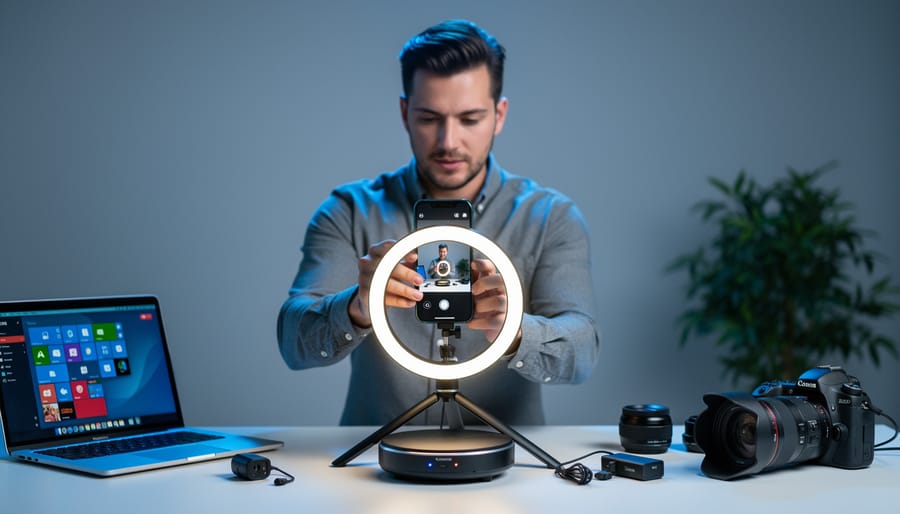
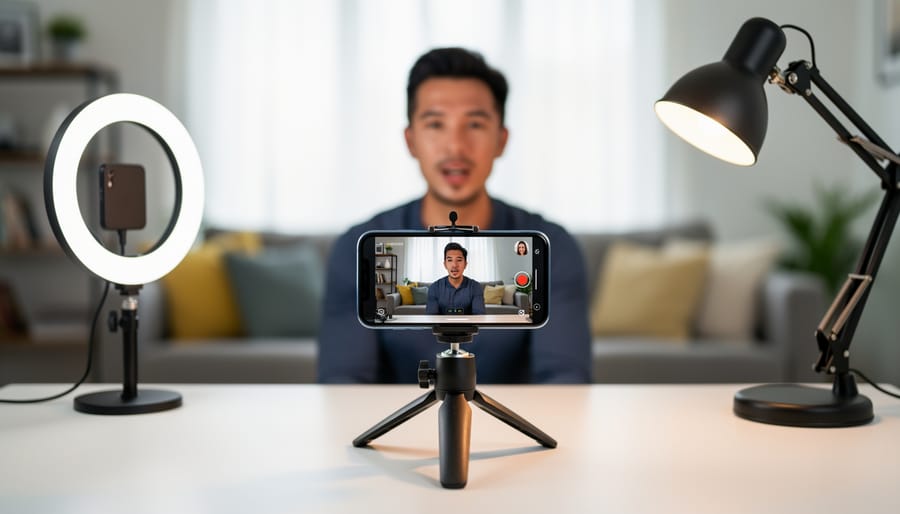
You don’t need expensive equipment to produce professional-quality videos. Modern smartphones offer impressive camera capabilities that rival entry-level professional cameras, making them ideal starting points for most businesses. Focus on stability first—a basic tripod attachment for your phone eliminates shaky footage and immediately elevates production quality.
Lighting makes the biggest visual impact. Natural light from windows works well, but a simple LED ring light or softbox kit provides consistent results regardless of conditions. Position your primary light source at a 45-degree angle to your subject to create depth and eliminate harsh shadows.
Audio quality matters more than most realize. Poor sound drives viewers away faster than imperfect video. A lavalier microphone that clips to clothing or a USB microphone for voiceovers costs under $50 and dramatically improves clarity. Avoid built-in phone or camera microphones whenever possible, as they pick up excessive background noise.
Consider basic editing software to polish your final product. Free options like iMovie or DaVinci Resolve offer sufficient features for most marketing videos. The key is starting with solid footage—proper lighting and clear audio reduce editing time significantly. This minimal setup keeps costs low while maintaining the quality standards your audience expects.
Streamlining Production With Automated Tools
Video production doesn’t have to consume endless hours or drain your budget. By leveraging marketing automation tools, you can streamline the entire video creation and distribution process while maintaining quality and consistency.
Start with automated editing tools that handle repetitive tasks like adding intros, outros, and captions. Platforms like Descript and Kapwing allow you to edit videos by editing text transcripts, cutting production time significantly. These tools also auto-generate subtitles, making your content more accessible without manual transcription work.
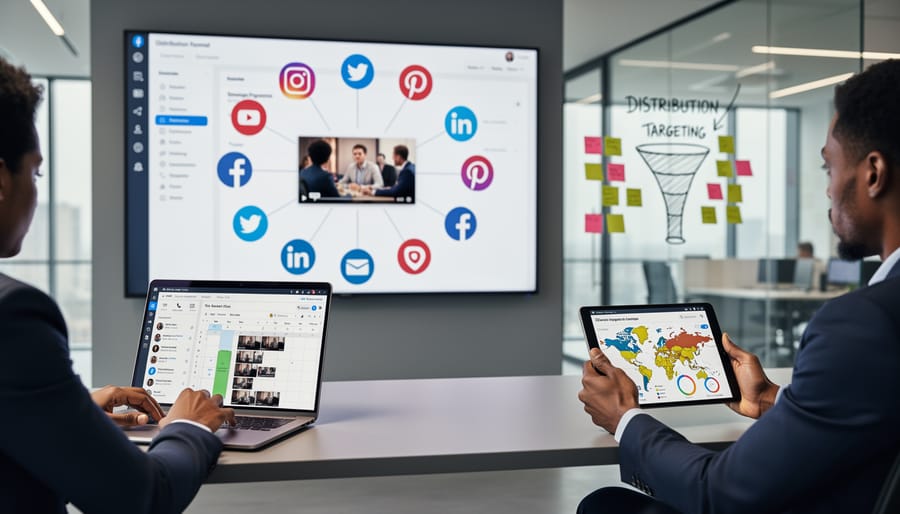
For scheduling and distribution, automation eliminates the manual posting process across multiple platforms. Tools like Buffer and Hootsuite let you queue videos in advance, ensuring consistent posting schedules even during busy periods. You can customize each post for different platforms while managing everything from a single dashboard, saving hours of repetitive work.
Distribution automation extends beyond social media. Email marketing platforms can trigger video content to specific segments based on customer behavior, ensuring prospects receive relevant videos at the right time in their buyer journey. This targeted approach improves engagement rates while requiring minimal ongoing management.
The key is selecting tools that integrate with your existing systems. Start with one area—perhaps social scheduling—measure the time saved, then expand to other processes. This incremental approach helps your team adapt while building a more efficient video marketing operation that scales with your business growth.
Distribution Channels That Maximize Reach
Social Media Platforms and Their Unique Requirements
Each platform demands a tailored approach to maximize engagement and reach. YouTube performs best with longer-form content between 7-15 minutes, optimized with keyword-rich titles and detailed descriptions. Focus on educational tutorials, product demonstrations, and thought leadership content that establishes your expertise.
LinkedIn favors professional, value-driven videos under 3 minutes. Share industry insights, company updates, and behind-the-scenes content that positions your business as a trusted authority. Native uploads outperform shared links, so upload videos directly to the platform.
Facebook users engage with diverse content ranging from 1-3 minutes. Live videos and stories generate higher organic reach, making them ideal for Q&A sessions and event coverage. Ensure captions are included since most users watch without sound.
Instagram requires vertical formats for Stories and Reels, with optimal lengths of 15-60 seconds. Prioritize visually striking content that captures attention quickly. Use hashtags strategically and post when your audience is most active.
TikTok thrives on authentic, entertaining content between 15-60 seconds. Trend participation and creative storytelling resonate strongly here. Don’t aim for perfection—spontaneous, genuine videos often outperform polished productions.
Integrating these platform-specific tactics into your broader social media marketing strategy ensures your videos reach the right audience in the right format.
Website Integration and Landing Page Optimization
Your website is prime real estate for video content that converts visitors into customers. Strategic video placement can dramatically increase time on page and guide prospects through your sales funnel with minimal manual intervention.
Start by embedding explainer videos above the fold on your homepage and key landing pages. These should load quickly and autoplay without sound to capture attention immediately. Place product demonstration videos directly on service or product pages where purchase decisions happen, making it easy for visitors to understand your offering without reading lengthy descriptions.
Create dedicated video landing pages for specific campaigns with a single call-to-action. Remove navigation menus and distractions to keep focus on the video and conversion goal. Position your CTA button prominently below or beside the video player, not buried at the bottom of the page.
Optimize video thumbnails with compelling visuals and text overlays that communicate value. Test different thumbnail designs to see which generates higher play rates. Add interactive elements like clickable CTAs within videos or end screens that direct viewers to the next step in your funnel.
Ensure videos are responsive and mobile-optimized, as most users will watch on smaller screens. Use lazy loading to prevent videos from slowing page speed, which hurts both user experience and search rankings. Track metrics like video completion rates and clicks to identify which placements drive actual conversions, then double down on what works.
Optimizing Videos for Search and Discovery
Video SEO Fundamentals
Making your videos discoverable starts with strategic video SEO optimization. Begin with compelling titles that include relevant keywords while clearly communicating value to viewers. Keep titles under 60 characters to ensure they display fully in search results.
Craft detailed descriptions that expand on your video content. Place the most important keywords and calls-to-action within the first 150 characters, as this appears in search previews. Include timestamps for longer videos to improve user experience and searchability.
Tags help platforms understand your content context. Use 5-10 specific tags combining broad industry terms with niche keywords related to your video topic. Research what competitors use, but ensure relevance to your actual content.
Transcripts and closed captions significantly boost SEO by providing searchable text for algorithms to index. They also improve accessibility and viewer engagement, as many people watch videos without sound. Most video platforms offer automated transcription services, though manual review ensures accuracy. Upload completed transcripts when publishing to maximize SEO benefits from day one. These elements work together to increase visibility across search engines and video platforms.
Thumbnail Design That Increases Click-Through Rates
Your thumbnail is the first impression viewers have of your video content, making it a critical factor in driving click-through rates. Start by using high-resolution images with bold, contrasting colors that stand out in crowded feeds and search results. Include faces when possible, as eye contact and emotional expressions naturally draw attention and create connection with potential viewers.
Text overlays should be minimal but impactful. Limit yourself to 3-5 words maximum that clearly convey your video’s value proposition. Use large, readable fonts that remain legible even on mobile devices. Avoid cluttered designs that confuse rather than compel.
Maintain visual consistency across your video library by establishing a recognizable style. This includes using consistent color schemes, fonts, and layout templates that align with your brand identity. Consistency helps build recognition and trust over time.
Test different thumbnail variations to identify what resonates with your audience. Many video platforms offer A/B testing capabilities, allowing you to compare performance metrics and refine your approach based on real data rather than assumptions. Pay attention to which designs generate the highest click-through rates and double down on those visual elements in future content.
Maintaining Consistent Communication Through Video
Batch Production and Scheduling Strategies
Creating videos individually is time-consuming and unsustainable for most businesses. Batch production solves this by dedicating specific blocks of time to record multiple videos in one session. Schedule a half-day or full-day shoot where you record five to ten videos back-to-back. This approach minimizes setup time, maintains consistent lighting and background, and helps you enter a productive flow state.
Prepare thoroughly before your batch session. Write scripts or talking points for all videos, organize props or visual aids, and test your equipment. Wear similar clothing if you want videos to appear recorded on different days, or intentionally vary your look for obvious batching.
Once recorded, schedule your video distribution using automation tools. Most social media management platforms allow you to queue videos weeks or months in advance. Set up automated posting schedules that align with when your audience is most active. This ensures consistent content delivery without daily manual effort.
Implement templated workflows for editing to speed post-production. Create standardized intros, outros, and graphics that can be quickly applied to each video. Consider outsourcing editing to freelancers or agencies if your time is better spent on strategy and client communication. Batch production paired with automated scheduling transforms video marketing from an overwhelming task into a manageable, systematic process.
Repurposing Video Content Across Channels
Creating one video and adapting it for multiple platforms dramatically increases your return on investment. Start by producing a longer-form video for YouTube or your website, then break it into shorter segments for social media. A single three-minute explainer video can become six 30-second Instagram clips, several quote graphics with video backgrounds, and bite-sized LinkedIn posts.
Focus on platform-specific formatting rather than recreating content from scratch. Crop horizontal videos into vertical formats for Stories and Reels. Extract audio for podcast episodes or add captions to create standalone social posts. Use automated tools to resize and reformat videos quickly, saving hours of manual editing time.
Schedule regular content reviews to identify high-performing videos worth repurposing. Videos that generate strong engagement or address frequently asked questions are prime candidates for multi-platform distribution. This systematic approach ensures consistent messaging across channels while maximizing the value of every piece of content you create.
Measuring Performance and Refining Your Approach
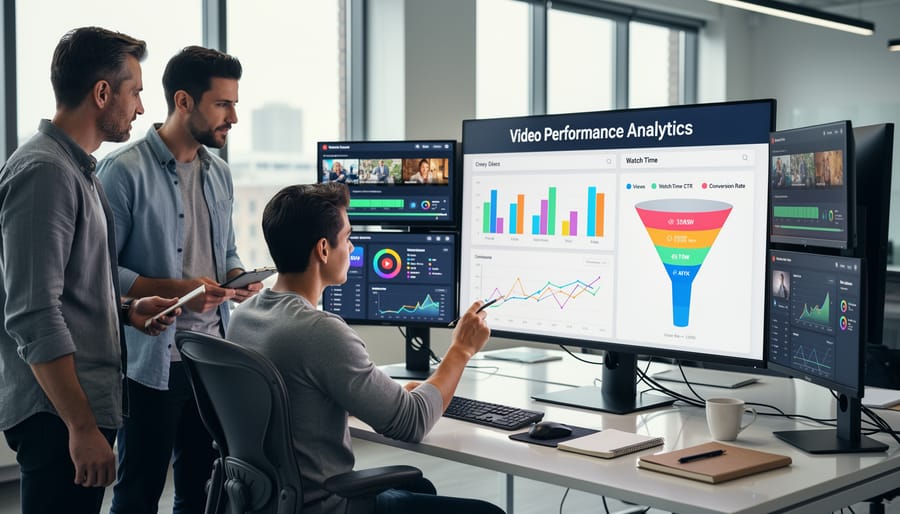
Analytics Tools and What They Tell You
Most video platforms provide built-in analytics dashboards that reveal critical viewer behavior patterns. YouTube Analytics, Facebook Insights, and LinkedIn Video Analytics track views, watch time, engagement rates, and audience demographics automatically. Focus on metrics that align with your business goals: watch time indicates content quality, click-through rates measure call-to-action effectiveness, and completion rates show whether your videos maintain interest.
Third-party tools like Google Analytics and specialized platforms such as Vidyard or Wistia offer deeper insights into how video drives conversions. These tools track viewer progression through your sales funnel and identify which videos generate leads or sales. Set up UTM parameters to monitor traffic sources and automate reports that highlight your best-performing content.
The key is connecting video metrics to business outcomes. Track which videos generate website visits, email sign-ups, or purchase inquiries rather than just counting views. Review your content performance metrics monthly to identify patterns and adjust your strategy accordingly. Most analytics platforms allow you to export data and create custom dashboards that display the metrics most relevant to your specific marketing objectives, enabling data-driven decisions without manual analysis.
A/B Testing for Continuous Improvement
Systematic testing transforms video performance from guesswork into predictable results. Start with thumbnails, as they directly impact click-through rates. Create two versions with different imagery, text overlays, or color schemes, then run each to 1,000 views minimum before declaring a winner. Test video titles next, comparing curiosity-driven versus benefit-focused approaches. Your call-to-action placement and wording deserve equal attention—experiment with timing (mid-video versus end) and specificity (generic “learn more” versus “download the pricing guide”). Video length testing reveals audience preferences; try 60-second versions against 2-minute cuts of the same content. Implement A/B testing strategies through your platform’s built-in analytics or simple spreadsheet tracking. Test one variable at a time to isolate what actually moves metrics. Document winners and apply those insights across future videos, building a data-driven playbook unique to your audience’s preferences.
Video marketing doesn’t have to drain your budget or demand a full production team. The most successful strategies share common threads: clear objectives, consistent execution, and a willingness to test and refine your approach based on real data.
Start by identifying one specific goal—whether that’s increasing brand awareness, generating qualified leads, or improving customer retention. Then choose a single video type that aligns with that objective. If you’re building trust with prospects, begin with educational content or customer testimonials. If you’re nurturing existing customers, product tutorials or behind-the-scenes videos might deliver better results.
Focus on production quality that matches your audience’s expectations, not Hollywood standards. Most viewers prioritize authenticity and valuable information over high-end cinematography. Use the equipment you already have, script your key points to stay focused, and film multiple videos in single sessions to build a content library efficiently.
Distribution matters as much as creation. Repurpose each video across multiple channels—your website, email campaigns, social media platforms, and sales presentations. Set up automated workflows to ensure videos reach the right audience at the right stage of their buyer journey.
Measure what matters. Track views, engagement rates, and conversion metrics that tie directly to your business objectives. Use these insights to double down on what works and adjust what doesn’t.
The path forward is simple: create your first video this week. Whether it’s a sixty-second product demo or a three-minute explainer, taking action beats endless planning. Start small, learn quickly, and scale systematically.
Leave a Reply