CTV Advertising That Actually Converts: Real Campaigns You Can Learn From

Study how Hulu generated 89% brand awareness lift for Planet Fitness by targeting gym-seekers during January programming blocks, using sequential messaging that moved viewers from awareness to local gym sign-ups. This campaign succeeded because it combined precise audience targeting with time-sensitive creative and location-based calls-to-action.
Review how Dollar Shave Club used Roku’s platform to retarget streaming viewers who abandoned their website, achieving 3.5X higher conversion rates than traditional display ads. The brand served 15-second spots during peak evening hours and tracked conversions through pixel-based measurement, proving CTV’s direct-response capability for e-commerce.
Examine Progressive Insurance’s cross-platform approach on platforms like YouTube TV and Peacock, where they tested six creative variations simultaneously and allocated 70% of budget toward the three top performers within 48 hours. This real-time optimization strategy reduced cost-per-acquisition by 41% compared to their linear TV campaigns.
Analyze how local restaurant chain Sweetgreen targeted specific zip codes on streaming devices, serving different creative to neighborhoods within three miles of each location. They spent just $5,000 monthly per location and tracked foot traffic increases of 23% using geofencing technology, demonstrating CTV accessibility for small businesses with limited budgets.
What Makes CTV Advertising Different From Traditional TV
The Tools Behind Successful CTV Campaigns
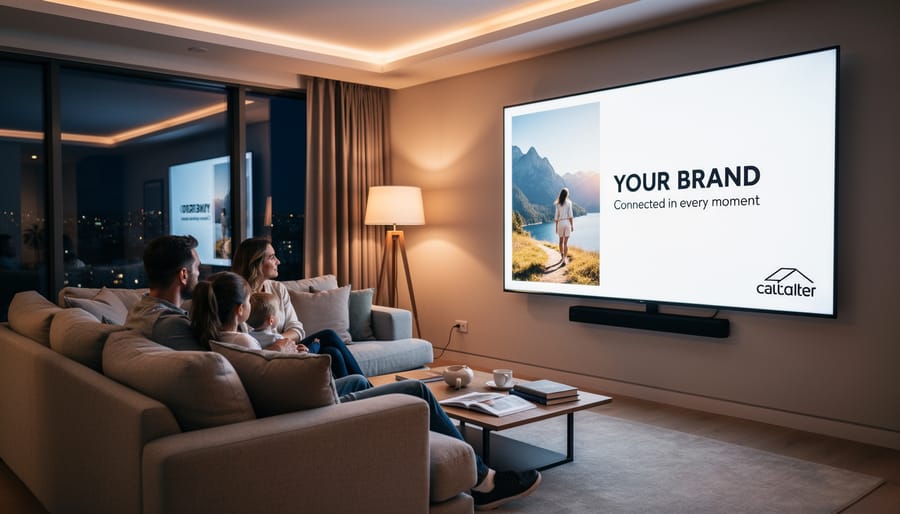
Successful CTV campaigns rely on a specific set of tools that make targeting, delivery, and measurement possible. Understanding these platforms helps you replicate the results you’ll see in the examples throughout this article.
Programmatic platforms serve as the foundation for most CTV advertising. These demand-side platforms (DSPs) automate ad buying across multiple streaming services simultaneously, eliminating the need to negotiate with individual publishers. Popular options include The Trade Desk, Amazon DSP, and Google Display & Video 360, each offering access to premium inventory at scale.
Interactive overlays have transformed passive viewing into active engagement. These tools layer clickable elements directly onto your video ads, allowing viewers to request more information, visit landing pages, or make purchases without leaving their streaming experience.
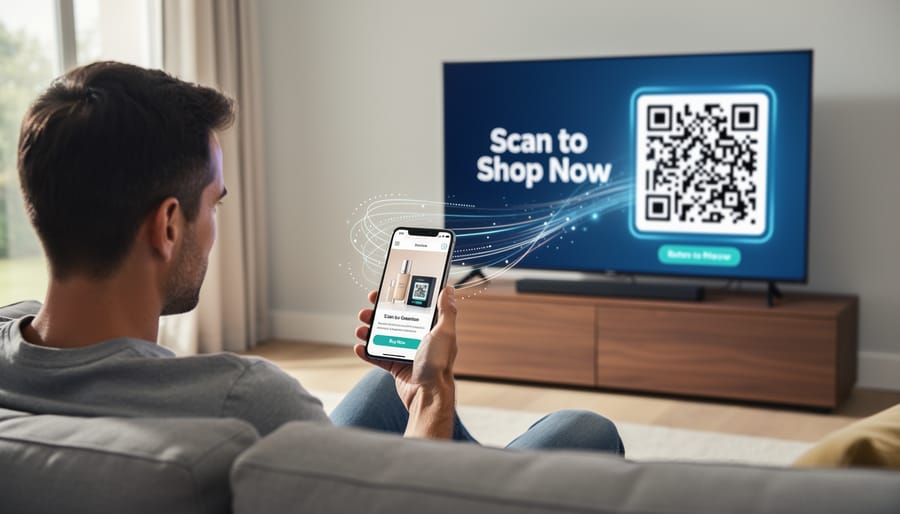
QR code integration bridges the gap between TV screens and mobile devices. Modern CTV platforms can dynamically generate unique QR codes within ads, enabling instant conversion tracking and simplified customer journeys. This technology works particularly well for time-sensitive offers and product demonstrations.
Audience targeting tools separate CTV from traditional television. Rather than buying broad demographic segments, you can target specific household characteristics, purchase behaviors, and streaming habits. Most platforms offer lookalike modeling, retargeting capabilities, and geographic precision down to the zip code level.
These tools work together to create the measurable, automated campaigns that deliver the results businesses need from their CTV investments.
Direct-to-Consumer Brands Winning on CTV
The Warby Parker Approach: Interactive Shopping on Your TV
Warby Parker transformed traditional eyewear shopping into an interactive television experience through their innovative CTV campaign. The eyewear brand deployed shoppable ads across major streaming platforms that featured clickable hotspots directly within the video content, allowing viewers to explore different frame styles without leaving their couch.
The campaign’s standout feature was its dual-interaction approach. Viewers could either click directly on frames displayed in the ad using their smart TV remote or scan an on-screen QR code with their smartphone. Both methods instantly connected consumers to product pages where they could request their famous Home Try-On kit or make a purchase.
Results demonstrated the power of reducing friction in the customer journey. Warby Parker reported a 34% increase in Home Try-On requests directly attributed to the CTV campaign, with conversion rates 2.5 times higher than their traditional digital video ads. The QR code functionality proved particularly effective, accounting for 60% of all interactions as viewers preferred using their phones for detailed browsing.
The campaign succeeded because it addressed a core challenge in CTV advertising: bridging the gap between viewing and action. By making the shopping experience immediate and seamless, Warby Parker proved that CTV ads could drive measurable conversions, not just brand awareness.
HelloFresh’s Promo Code Strategy
HelloFresh has mastered CTV advertising through strategic use of unique promo codes that serve a dual purpose: incentivizing conversions and enabling precise campaign tracking. Their approach demonstrates how meal kit delivery services can effectively measure CTV performance without relying on traditional click-through metrics.
The company runs CTV ads featuring prominent promo codes like “FRESHSTART60” or “CTVSAVE50,” with each code specific to the network, show genre, or daypart where the ad appears. This granular approach allows HelloFresh to track which streaming platforms and content categories drive the most conversions. When customers enter these codes at checkout, the company can directly attribute sales to specific CTV placements.
Their measurement strategy goes beyond simple code redemption tracking. HelloFresh monitors the timing between ad exposure and website visits, analyzing traffic spikes that correlate with their CTV ad schedules. They also track brand search volume increases following campaign launches, providing additional attribution signals.
The results speak for themselves. By testing different offers across various streaming platforms, HelloFresh optimizes their media spend toward channels delivering the lowest customer acquisition costs. This code-based attribution system has become standard practice across the meal kit industry, proving that CTV campaigns can deliver measurable, trackable results when built with clear conversion mechanisms.
Local Business CTV Advertising Success Stories
Auto Dealerships Driving Showroom Traffic
A regional auto dealership group in Texas demonstrates how geo-fenced CTV advertising delivers measurable showroom visits without requiring extensive technical expertise. The dealership targeted three specific zip codes within a 15-mile radius of their locations, reaching households actively streaming content on platforms like Hulu, Roku, and Amazon Fire TV.
The campaign ran for 60 days with a modest daily budget of $150 per location. Using automated campaign management tools, the dealership uploaded creative assets once and let the platform handle ad delivery optimization across multiple streaming services. They didn’t need to manually adjust bids or monitor placement performance—the system automatically allocated budget to the best-performing inventory.
The geo-fencing strategy proved particularly effective during new model launches. When the dealership received inventory of popular SUV models, they adjusted their targeting parameters to focus on households with children in specific income brackets. The platform’s automated features handled the technical adjustments within hours, not days.
Results showed a 34% increase in showroom traffic during the campaign period compared to the previous quarter. More importantly, sales staff reported that visitors specifically mentioned seeing their ads while watching streaming content at home. The dealership tracked 127 new customer acquisitions directly attributed to the CTV campaign through their CRM system.
The key takeaway: local businesses can leverage sophisticated geo-targeting without managing complex campaigns manually. Automated systems handle the heavy lifting while you focus on creating compelling offers and messaging that resonate with your local market.
Regional Restaurant Chains and Seasonal Promotions
Regional restaurant chains have found particular success using CTV advertising to promote time-sensitive offers like seasonal menu items and limited-time discounts. These campaigns leverage two critical features: dayparting and frequency capping.
A Texas-based barbecue chain with 23 locations used CTV to promote their summer brisket special across streaming platforms. They scheduled ads to run during specific dayparts—primarily 10 AM to 2 PM and 4 PM to 7 PM—when viewers were most likely planning their next meal. This dayparting strategy ensured their ads appeared when purchase intent was highest, rather than wasting impressions during late-night hours.
The campaign also implemented frequency capping at three impressions per household per week. This prevented ad fatigue while maintaining visibility throughout the six-week promotion period. The restaurant tracked results using unique promo codes featured in their CTV ads, recording a 34% redemption rate among new customers.
For restaurants testing CTV advertising, start with a two-week campaign focused on one promotional offer. Set frequency caps between two to four impressions per viewer to avoid oversaturation. Target streaming services popular with your demographic during meal planning hours. Most CTV platforms allow you to adjust dayparting settings in real-time, so monitor which time slots drive the highest engagement during your first week, then shift budget accordingly. This approach gives you concrete data on whether CTV delivers measurable foot traffic without committing to extended campaign periods.
CTV Extensions and Features That Enhance Campaign Performance
QR Code Integration and Response Tracking
Major brands are leveraging QR code integration in CTV ads to bridge the gap between passive viewing and instant engagement. Walmart’s recent CTV campaign displayed QR codes for 15 seconds, allowing viewers to scan and access exclusive product deals directly on their phones. The campaign used Flowcode for generation and tracking, achieving a 23% scan rate among households that viewed the ads.
Peloton implemented QR codes in their CTV commercials that linked directly to free trial sign-ups, using QR Code Generator Pro to create dynamic codes with built-in analytics. This approach provided real-time data on scan locations, times, and conversion rates.
The key to effectiveness lies in three factors: display duration of at least 10-12 seconds, clear call-to-action text like “Scan for 20% Off,” and high-contrast design for easy smartphone camera recognition. Tools like Bitly and Adobe Campaign Manager offer automated tracking dashboards that monitor scan-to-conversion rates, helping you optimize future campaigns based on actual viewer behavior rather than assumptions.
Dynamic Creative Optimization in Action
Dynamic Creative Optimization automates ad variations in real-time based on viewer data, delivering personalized messages at scale. A national automotive brand using Innovid’s DCO platform increased conversion rates by 34% by automatically adjusting creative elements like vehicle models, financing offers, and dealership locations based on viewer ZIP codes and browsing behavior.
Retail advertisers see particularly strong results with DCO. An e-commerce company running campaigns through Amazon’s DCO tools automatically served different product recommendations to viewers based on their previous shopping history, resulting in a 47% improvement in return on ad spend compared to static CTV ads.
Food delivery services using Flashtalking’s DCO technology tested multiple combinations of menu items, promotional offers, and call-to-action buttons. The platform automatically optimized creative performance across different dayparts, showing breakfast items in morning hours and dinner specials during evening viewing. This approach delivered a 28% lift in app downloads.
These platforms integrate directly with major CTV inventory sources, making automated testing accessible even for smaller marketing budgets starting around $10,000 monthly.
Sequential Messaging and Retargeting Extensions
Sequential messaging campaigns use CTV advertising to guide potential customers through multiple touchpoints before conversion. A fitness equipment retailer demonstrated this approach by first showing awareness ads on CTV streaming platforms, then using cross-device retargeting to reach the same viewers on mobile and desktop with product-specific offers. Their three-stage campaign resulted in 4x higher conversion rates compared to single-touch ads.
An online education platform successfully implemented sequential CTV messaging by starting with brand introduction ads during morning news streaming, followed by course benefit ads during evening entertainment, and concluding with limited-time enrollment offers on connected devices. This strategy moved prospects systematically through awareness, consideration, and decision stages.
Platforms like The Trade Desk and Amazon DSP provide automated tools that track viewer exposure across devices and adjust messaging accordingly. These systems prevent ad fatigue by capping frequency while ensuring prospects see the right message at the right stage. For businesses with limited budgets, starting with a two-stage sequence on a single platform like Roku delivers measurable results before expanding to multi-platform campaigns.
Budget-Friendly CTV Advertising Examples for Growing Businesses
Small businesses can launch effective CTV campaigns with budgets under $5,000 monthly by focusing on targeted platforms and strategic automation. Here are proven approaches that deliver results without breaking the bank.
A local fitness studio ran a $3,500/month campaign on Roku, targeting a 10-mile radius around their three locations. They used pre-roll ads showcasing member transformations and first-time visitor promotions. The campaign generated 127 new memberships in 60 days, with each acquisition costing approximately $27. The key was hyper-local targeting combined with a compelling call-to-action directing viewers to a dedicated landing page.
An e-commerce pet supply company allocated $4,200 monthly across Amazon Fire TV and Samsung TV Plus. They focused on pet owners aged 25-54 who had previously visited their website. Using automated platforms to manage their campaigns reduced manual work by 70% while optimizing bid strategies in real-time. Their return on ad spend reached 4.2:1 within three months.
For businesses starting small, Roku and Tubi offer the most accessible entry points. Roku’s self-serve platform allows minimum spends as low as $1,500 monthly with straightforward audience targeting options. Tubi provides competitive CPMs, often 30-40% lower than premium streaming services, making it ideal for budget-conscious advertisers.
Essential automation tools that maximize efficiency include The Trade Desk for programmatic buying, Strategus for campaign management across multiple platforms, and Google’s Display & Video 360 for businesses already invested in Google’s ecosystem. These platforms handle frequency capping, dayparting, and audience optimization automatically, allowing small teams to manage campaigns effectively without dedicated video advertising specialists.
The most successful budget-friendly campaigns share three characteristics: precise geographic or demographic targeting, simple creative that communicates one clear message, and conversion tracking that connects CTV views to website visits or store traffic. Start with a single platform, test your creative for 30 days, then scale based on measurable results.
How to Implement These CTV Strategies for Your Business
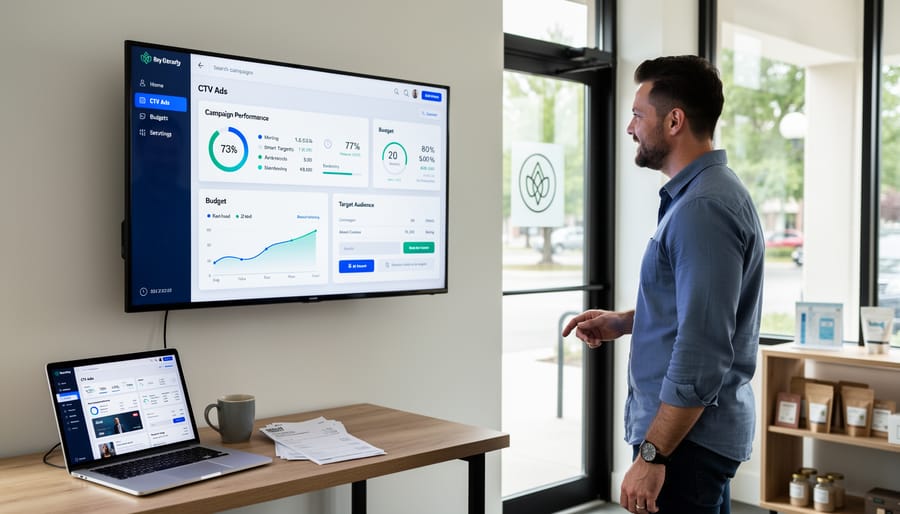
Implementing CTV advertising doesn’t require a massive budget or technical expertise. Start by selecting the right platform based on your specific needs. If you’re targeting a broad audience with significant reach, platforms like Roku or Amazon Fire TV offer self-serve options. For more precise demographic targeting, consider The Trade Desk or Google Display & Video 360, which provide robust audience segmentation tools.
Begin your campaign setup by defining clear objectives. Are you driving website visits, brand awareness, or direct conversions? Your goal determines your creative approach and measurement criteria. Upload video content that’s 15 or 30 seconds long—these are standard CTV ad lengths. Ensure your videos are high-quality but authentic; polished smartphone footage often outperforms expensive studio productions for small businesses.
Automate wherever possible to reduce manual workload. Most CTV platforms offer automated bidding strategies that optimize for your target cost per acquisition or impression. Set up frequency caps (typically 2-3 exposures per viewer per week) to prevent ad fatigue without constantly monitoring campaigns. Enable automatic budget pacing to distribute spending evenly throughout your campaign period.
For targeting, start broad and refine based on performance data. Use first-party data from your customer lists when available, then layer on demographic and behavioral targeting. Geographic targeting is particularly valuable for businesses with physical locations or regional service areas.
Establish a clear measurement framework from day one. Beyond platform-provided metrics, implement conversion tracking on your website using pixels or tags. Track unique website visitors, landing page sessions, and conversions within 7-30 days of ad exposure. Compare these metrics against your pre-CTV baseline to measure incremental impact.
Consider running A/B tests with different creative versions, even on modest budgets. Test one variable at a time—headline messaging, call-to-action, or visual approach—to identify what resonates with your audience.
Start with a 30-day pilot campaign at whatever budget you can comfortably allocate. This testing period provides real data about your audience’s response without significant financial commitment. Use insights from this initial campaign to refine targeting, creative, and budget allocation before scaling up.
Most importantly, maintain realistic expectations. CTV advertising typically requires consistent presence over time rather than immediate overnight results.
CTV advertising is more accessible than many business owners realize. The examples covered demonstrate that successful campaigns don’t require massive budgets or complex production teams. Whether you’re a local retailer, e-commerce brand, or service provider, CTV platforms offer practical entry points to reach audiences who’ve shifted from traditional television to streaming.
The key takeaway is simple: start with what works. Use automated platforms that handle targeting, placement, and optimization without requiring specialized technical knowledge. These tools reduce complexity while delivering measurable results, allowing you to focus on your core business operations rather than campaign management minutiae.
Your next steps should be straightforward. First, identify which CTV platform aligns with your target audience’s viewing habits. Second, develop creative that translates your existing message to the streaming environment. Third, set a modest test budget to validate performance before scaling. The brands succeeding with CTV advertising today started exactly where you are now—reviewing examples, understanding the landscape, and taking that initial step. The difference between planning and executing often comes down to choosing the right automated solution that removes technical barriers and lets your message reach the right viewers.
Leave a Reply