How Retail Gamification Transforms Browsers Into Buyers

Implement point-based reward systems where customers earn redeemable credits for purchases, social shares, and product reviews—increasing repeat purchase rates by up to 30% while building your email list simultaneously. Configure automated triggers that unlock progressive discount tiers as customers reach spending milestones, creating psychological investment in reaching the next level rather than abandoning their cart.
Deploy spin-to-win wheels and scratch-off promotions at strategic touchpoints like exit intent, first purchase, or abandoned cart recovery emails. These micro-games capture attention during critical decision moments and convert hesitant browsers into buyers by offering immediate, tangible value. Set automation rules that personalize prize values based on cart size or customer lifetime value to maximize ROI.
Create time-limited challenges that encourage specific behaviors—referring three friends unlocks exclusive access, completing a profile earns bonus points, or making purchases on consecutive days builds streak multipliers. These mechanics tap into loss aversion and urgency, driving consistent engagement without requiring constant manual intervention.
Integrate leaderboards for high-value customer segments, displaying top spenders or most active community members. Competitive visibility motivates increased participation among your best customers while identifying brand advocates for targeted communication campaigns. Track redemption rates, engagement metrics, and revenue lift per gamified element to identify which mechanics resonate with your specific audience, then double down on winners while eliminating underperformers. Test different reward structures quarterly, measuring customer acquisition cost against lifetime value improvements to ensure gamification enhances profitability rather than eroding margins through excessive discounting.
What Retail Gamification Actually Means for Your Online Store
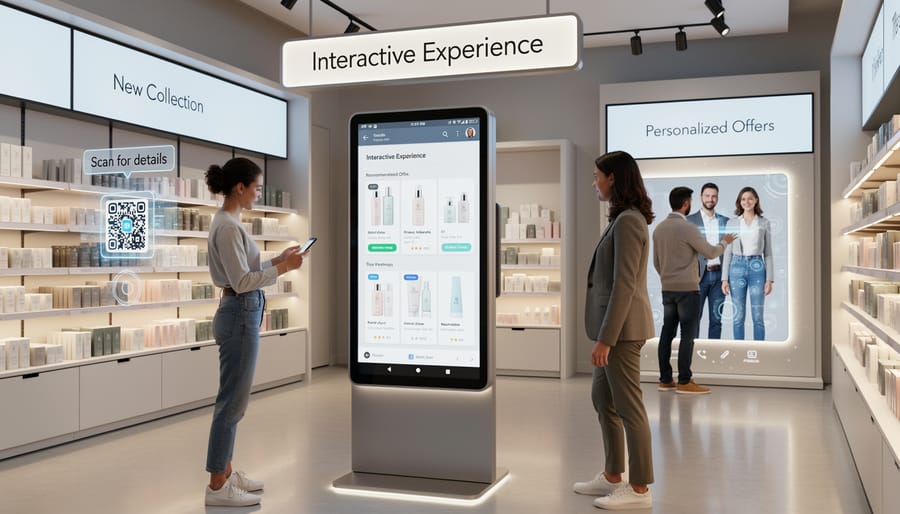
Retail gamification transforms your online store into an engaging experience by incorporating game-like elements into the shopping journey. Unlike traditional loyalty programs that simply reward repeat purchases with points, gamification taps into fundamental human motivations through interactive challenges, progress tracking, achievement systems, and competitive elements. Think spin-to-win wheels, progress bars toward rewards, tiered membership levels with unlockable benefits, or limited-time challenges that encourage specific actions.
The distinction matters because traditional loyalty programs are passive—customers accumulate points and eventually redeem them. Gamification is active engagement. It creates multiple touchpoints where customers interact with your brand, making shopping more memorable and emotionally connected. When combined with conversion-centered design principles, these elements guide visitors toward purchase decisions while keeping them entertained.
The psychology behind gamification’s effectiveness is straightforward. When customers complete challenges or unlock achievements, their brains release dopamine—the same neurotransmitter associated with pleasure and motivation. This creates positive associations with your store and encourages return visits. Progress indicators leverage our innate desire for completion; once someone is halfway to a reward, they’re significantly more likely to finish. Competition taps into social comparison, driving engagement as customers see how they rank against others.
For business owners, this means measurable results. Gamified elements increase time on site, boost average order values, improve customer retention rates, and generate valuable behavioral data. The key is implementing these strategies efficiently through automated systems that run without constant manual oversight, allowing you to focus on broader business growth while gamification works in the background to drive engagement and sales.
Proven Gamification Strategies That Drive Sales
Points and Rewards Systems That Keep Customers Coming Back
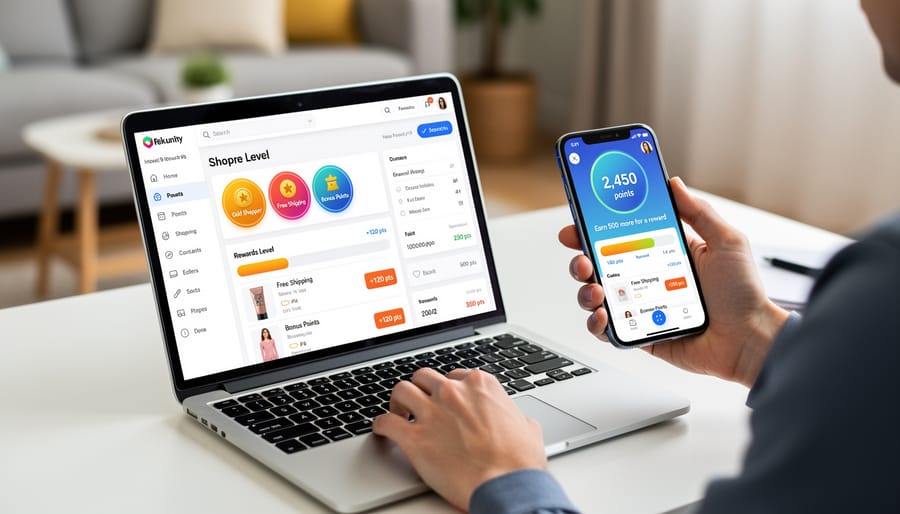
Points-based reward systems remain one of the most effective gamification tactics because they create clear, measurable value for customers while driving repeat purchases. The key to success lies in simplicity: customers should immediately understand how to earn points and what rewards they can unlock.
Structure your system with transparent earning rules—typically one point per dollar spent, though you can adjust ratios based on profit margins. Establish redemption tiers that incentivize higher spending thresholds. For example, 500 points might equal a $5 discount, while 2,000 points could unlock a $25 reward, encouraging customers to save for bigger benefits.
Effective implementations combine points with e-commerce personalization strategies, offering bonus points for specific actions like social media shares, product reviews, or birthday purchases. Sephora’s Beauty Insider program exemplifies this approach, rewarding different customer segments with tiered benefits that create aspirational goals.
Automation is essential for scaling your program without administrative burden. Implement systems that automatically track point accumulation at checkout, send balance notifications via email or SMS, and enable seamless redemption during purchase. Modern e-commerce platforms offer built-in loyalty integrations or third-party apps that handle these processes without manual intervention.
Communicate point balances proactively—include current totals in order confirmations and send monthly updates highlighting how close customers are to their next reward. This regular touchpoint keeps your brand top-of-mind and motivates return visits. Set expiration dates strategically to create urgency without frustrating loyal customers, typically 12-24 months from earning date.
Progress Bars and Achievement Badges That Increase Cart Value
Progress bars transform the shopping experience by creating visual momentum toward specific goals. When customers see they’re $25 away from free shipping or two purchases from unlocking VIP status, they’re significantly more likely to add items to their cart. This psychological trigger taps into our natural desire for completion.
Implement tiered achievement systems that reward increasing purchase thresholds. Bronze tier customers might receive 5% off after spending $100, while silver tier members unlock 10% off at $250, and gold tier achieves 15% off at $500. Display these tiers prominently on product pages and during checkout to maintain visibility throughout the buying journey.
Position progress indicators strategically. Place them in your cart summary, header navigation, and checkout flow. Use contrasting colors to make the bar stand out, and include specific numerical values alongside visual indicators. For example, “You’re $18.50 away from free shipping” provides concrete direction for customers.
Achievement badges work best when they’re shareable and visible. Allow customers to display their earned badges on social media or within your customer community. Consider creating seasonal or limited-time achievements to maintain engagement beyond initial purchases.
Automate badge delivery and tier upgrades using your e-commerce platform’s tools or customer relationship management system. Set triggers based on purchase history, total spending, or specific product combinations. This eliminates manual tracking while ensuring customers receive immediate recognition for their achievements, strengthening their connection to your brand.
Spin-to-Win and Interactive Discount Wheels
Spin-to-win wheels capture attention at key conversion moments—typically on landing pages, during checkout, or when exit intent is detected. Deploy these interactive elements strategically rather than on every page visit to avoid fatigue. The most effective approach triggers the wheel once per visitor, paired with email capture to build your list while offering immediate value.
Structure your discount tiers carefully: offer 5-15% discounts for 60% of spins, free shipping for 25%, a premium discount of 20-30% for 10%, and “try again” or minimal incentives for the remaining 5%. This balance protects margins while maintaining excitement. Avoid giving away your highest discount too frequently—scarcity drives perceived value.
Integration with your email platform should be automated. When visitors enter their email to spin, immediately segment them based on the discount won and trigger a personalized follow-up sequence. Set expiration dates on winnings (24-72 hours works best) to create urgency. Track redemption rates by discount level to refine your wheel segments over time. Test different prize distributions monthly to optimize both engagement and profitability while keeping acquisition costs reasonable.
Challenges and Missions That Build Engagement
Time-bound challenges create urgency and drive immediate action from customers. Implement flash missions like “Complete three purchases this week to unlock exclusive rewards” or “Refer two friends within 48 hours for bonus points.” These limited-time opportunities tap into fear of missing out while encouraging repeat visits.
Seasonal missions align perfectly with retail calendars. Create themed challenges around holidays, product launches, or inventory cycles. For example, a “Summer Collection Explorer” mission rewards customers for trying items from new arrivals, while a “Holiday Shopping Hero” challenge incentivizes early gift purchases through tiered rewards.
Social sharing components amplify your reach organically. Encourage customers to share their achievements, unlocked badges, or reward milestones on social platforms in exchange for bonus points or entries into exclusive contests. This transforms customers into brand advocates while building community around your gamification program.
Automate challenge delivery through email sequences and app notifications to maintain consistent engagement without manual oversight. Track completion rates and adjust difficulty levels to keep challenges achievable yet meaningful. Start with simple missions and gradually introduce complexity as customers become familiar with your gamification ecosystem.
Leaderboards and Social Competition
Leaderboards transform individual shopping behaviors into social experiences that drive engagement and repeat purchases. Display top customers by points earned, purchases made, or referrals completed to spark friendly competition among your audience. This approach works particularly well for community-driven brands where customers already feel connected to your mission.
Implement referral competitions that reward both existing customers and new sign-ups. Automate point allocation when referrals convert, and showcase monthly winners prominently on your website and email campaigns. This creates ongoing buzz without manual tracking.
User-generated content contests leverage your customers as brand ambassadors. Challenge shoppers to share photos, reviews, or creative uses of your products for rewards or featured placement. Establish clear submission criteria and automated entry tracking to minimize administrative overhead. Display winning entries in a dedicated gallery to encourage future participation and build social proof. These competitions generate authentic content while strengthening customer relationships and expanding your reach through participant networks.
Automating Your Gamification Strategy
The key to successful retail gamification isn’t just designing engaging mechanics—it’s implementing them efficiently. Manual tracking of points, rewards, and customer progress quickly becomes unsustainable as your program grows. This is where automation transforms gamification from a resource drain into a scalable growth driver.
Start by selecting platforms that integrate seamlessly with your existing e-commerce infrastructure. Leading solutions like Shopify apps, WooCommerce plugins, and standalone platforms such as LoyaltyLion or Smile.io connect directly to your store, automatically tracking purchases, behaviors, and milestone achievements. This eliminates manual data entry and ensures real-time accuracy across all customer interactions.
Trigger-based automation is your most powerful tool. Set up automated rewards that activate when customers complete specific actions—making their third purchase, referring a friend, or reaching a spending threshold. These triggers work 24/7 without staff intervention, creating immediate gratification that drives repeat behavior. For example, automatically send a surprise discount code when a customer reaches 500 points, or unlock exclusive product access after five consecutive monthly purchases.
Focus on platforms that provide data-driven insights into program performance. Your automation tools should generate reports showing engagement rates, redemption patterns, and revenue impact without requiring manual compilation. This visibility helps you identify which mechanics resonate and which need adjustment.
Communication automation completes the loop. Configure email and SMS sequences that notify customers about earned points, available rewards, and expiring benefits. These touchpoints maintain engagement without constant monitoring from your team.
The result is a gamification strategy that scales with your business while freeing your team to focus on strategic improvements rather than administrative tasks. Choose platforms with robust APIs if you need custom functionality, and always prioritize those offering responsive customer support during implementation. The right automation infrastructure turns gamification from a manual burden into an efficient, always-on engagement engine.
Measuring What Matters: Tracking Gamification ROI
Implementing gamification without tracking its impact is like driving blindfolded. Success requires monitoring specific metrics that reveal genuine business growth, not just surface-level engagement numbers.
Start with the key e-commerce metrics that directly correlate to revenue. Engagement rate shows how many customers interact with your gamification elements, but dig deeper into quality metrics. Track repeat purchase rate among customers who engage with gamified features versus those who don’t. This comparison reveals whether your game mechanics actually drive loyalty or simply create fleeting interactions.
Average order value deserves close attention. When customers participate in challenges or unlock rewards, do they spend more per transaction? Monitor this metric before and after gamification implementation to establish clear causation. Customer lifetime value provides the ultimate measure of gamification success, showing whether these strategies create long-term relationships or temporary spikes.
Set realistic benchmarks based on your baseline data. Calculate your current metrics, then project modest improvements of 10-15 percent for the first quarter after launch. Automated tracking systems eliminate manual reporting headaches and provide real-time dashboards for quick decision-making.
Focus on actionable insights by segmenting your data. Which game mechanics perform best? What customer demographics engage most? When do participation rates peak? Use these answers to refine your approach continuously.
Avoid vanity metrics like total points awarded or badges created. These numbers might look impressive but rarely correlate with revenue growth. Instead, tie every metric to business outcomes. If a specific gamification element shows high engagement but low conversion impact, eliminate it and redirect resources toward proven performers. Regular monthly reviews keep your strategy aligned with actual results.

Common Mistakes That Kill Gamification Efforts
Even well-intentioned gamification programs can fail spectacularly. Here are the most common mistakes and how to fix them quickly.
Overcomplicating the system is the number one killer. Customers should understand how to earn and redeem rewards within 30 seconds. If your point structure requires a calculator or your tiers have confusing prerequisites, simplify immediately. Create a one-page visual guide that explains everything at a glance and automate reminder emails when customers are close to rewards.
Poor user experience destroys engagement before it starts. If your gamification interface loads slowly, breaks on certain browsers, or requires multiple clicks to check progress, customers will abandon it. Test your system across devices and prioritize mobile optimization since most customers shop on their phones. Implement automated dashboard updates so customers see real-time progress without refreshing.
Mismatched rewards waste everyone’s time. Offering 10% off when customers want free shipping or exclusive early access misses the mark entirely. Survey your audience directly about preferred rewards, then automate personalized offers based on purchase history and behavior patterns.
Failing to communicate value clearly leaves customers confused about why they should participate. Send automated onboarding emails explaining benefits immediately after signup, display progress notifications throughout the shopping experience, and showcase success stories from other customers.
The fix for all these issues involves automation and clear communication. Streamline your systems, test relentlessly, and let technology handle repetitive tasks while you focus on meaningful customer connections.
Gamification isn’t a passing trend—it’s a strategic approach to building deeper customer relationships and driving measurable business results. The key is starting small and scaling thoughtfully. Choose one simple strategy that aligns with your business goals, whether it’s a points program, a spin-to-win wheel, or progress bars during checkout. Test it with a segment of your audience, measure the results, and refine your approach before expanding.
Before implementing any gamification tactic, prioritize understanding your customers. What motivates them? What friction points exist in their buying journey? Open lines of communication with your clients through surveys, feedback forms, or direct conversations. This insight will guide you toward gamification strategies that resonate rather than gimmicks that fall flat.
Start today by identifying one area of your customer experience that could benefit from increased engagement. Remember, successful gamification combines automation with genuine customer understanding. The businesses that win are those that listen first, implement strategically, and continuously optimize based on real data.
Leave a Reply