How E-Dynamic Learning Transforms Loyalty Programs That Actually Keep Customers
Implement machine learning algorithms that automatically adjust reward offerings based on individual customer purchase patterns and engagement history. Your loyalty program should analyze real-time data to determine which incentives drive specific customer segments to action, then automatically modify point values, reward tiers, and promotional messaging without manual intervention.
Set up automated trigger-based communications that respond to customer behavior instantly. When a customer’s purchase frequency drops below their historical average, the system should automatically deploy targeted re-engagement offers. Similarly, when customers approach reward thresholds, automated messages should encourage that final purchase to claim their benefit.
Leverage predictive analytics to identify at-risk customers before they churn. E-dynamic learning systems process thousands of data points to recognize early warning signs—decreased login frequency, abandoned carts, or longer gaps between purchases—then automatically escalate personalized retention strategies. This proactive approach addresses why traditional loyalty programs fail: they react to customer behavior rather than anticipating and preventing disengagement.
Configure your system to continuously test and optimize reward structures through automated A/B testing. Rather than guessing which incentives resonate with different customer segments, let the platform experiment with various point multipliers, reward types, and communication cadences, then automatically scale the winning variations.
The transformation from static loyalty programs to e-dynamic learning represents a fundamental shift in customer retention strategy. While conventional programs apply one-size-fits-all rules that quickly become stale, adaptive systems evolve with your customer base, delivering personalized experiences that strengthen relationships and maximize lifetime value. For small to medium-sized businesses, this automated intelligence levels the playing field against enterprise competitors, providing sophisticated customer insights and engagement capabilities without requiring massive marketing teams or technical resources.
What E-Dynamic Learning Actually Means for Your Business
The Automation Advantage
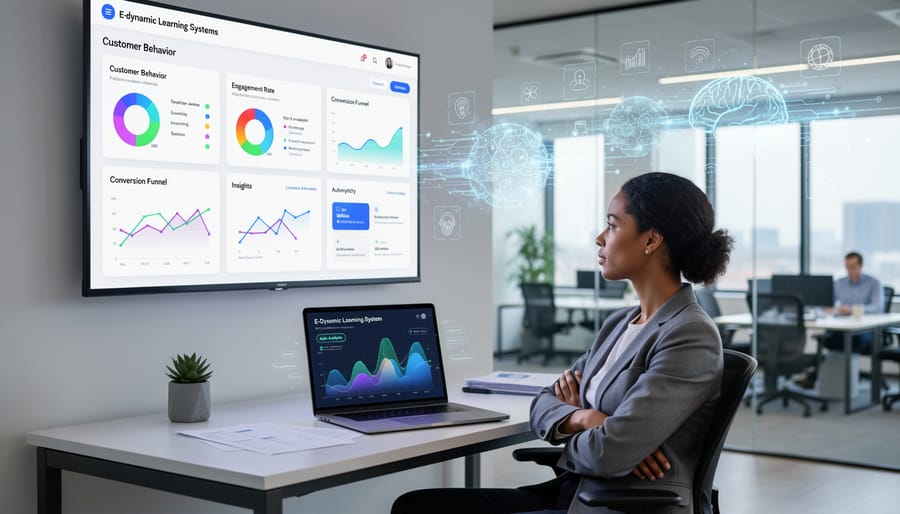
One of the most compelling benefits of e-dynamic learning is its ability to handle time-consuming optimization tasks without human intervention. Traditional loyalty programs require marketing teams to spend hours analyzing customer data, identifying trends, and manually adjusting reward structures. This constant maintenance pulls your team away from what truly matters: building relationships with customers and developing strategic initiatives.
E-dynamic learning systems continuously monitor program performance, test reward variations, and implement improvements in real-time. The system identifies which incentives drive engagement, which customer segments respond to specific offers, and when to adjust point values or redemption options. These adjustments happen automatically, based on actual customer behavior rather than quarterly reviews or gut feelings.
This automation doesn’t replace your marketing team; it amplifies their impact. Instead of drowning in spreadsheets, your staff can focus on personal customer outreach, creative campaign development, and strategic planning. The system handles the repetitive analytical work, while your team brings the human touch that builds genuine loyalty. For small to medium-sized businesses with limited marketing resources, this efficiency gain is transformative, allowing you to compete with larger companies without expanding your headcount.
Real-Time Adaptation vs. Quarterly Reviews
Traditional loyalty programs typically operate on quarterly review cycles, where marketing teams analyze three months of data, identify trends, and make adjustments for the next period. This approach creates significant lag time between customer behavior changes and program responses. By the time you implement changes based on Q1 data, you’re already midway through Q2, potentially missing critical engagement opportunities.
E-dynamic learning systems eliminate this delay through continuous monitoring and automated adaptation. These platforms analyze customer interactions in real-time, adjusting reward thresholds, personalization rules, and communication triggers daily or even hourly. When a customer segment shows declining engagement on Tuesday, the system can automatically deploy retention incentives by Wednesday morning, not three months later.
This immediacy proves particularly valuable during market shifts or seasonal fluctuations. While competitors wait for quarterly meetings to address dropping participation rates, your automated system has already tested multiple interventions and optimized responses. The result is consistently relevant customer experiences that adapt as quickly as behavior changes, maintaining engagement without constant manual oversight.
Why Traditional Loyalty Programs Lose Money
Traditional loyalty programs drain profitability through four critical failures that static systems simply cannot address effectively.
The first and most expensive mistake is over-rewarding customers who would purchase anyway. Most programs treat all repeat customers identically, offering the same discounts and rewards to devoted brand advocates who need no incentive to return. This approach transforms profit into unnecessary giveaways. When you reward someone who was already planning to buy at full price, you’re essentially paying them to do what they would have done for free.
Second, static programs fail to detect early churn signals. By the time traditional systems identify a customer as “at risk,” they’ve often already switched to a competitor. These programs rely on outdated data and predefined rules that can’t adapt to individual behavior patterns. A customer who suddenly changes their purchase frequency or browses competitor websites sends clear signals, but rigid systems miss these opportunities for timely intervention.
The one-size-fits-all reward structure compounds these problems. A coffee shop regular who visits daily has completely different motivations than an occasional weekend customer, yet most programs offer identical rewards to both. This misalignment means you’re either over-spending on frequent customers or failing to motivate occasional ones. Either way, your return on investment suffers because the incentive doesn’t match the customer’s actual value or behavior.
Finally, traditional programs cannot respond to competitive threats with the speed modern markets demand. When a competitor launches an aggressive promotion, static systems require manual analysis, committee approvals, and weeks of implementation time. By the time you respond, customers have already defected.
These structural weaknesses create a perfect storm of wasted budget and missed opportunities. The solution requires moving beyond static rules to systems that learn from customer behavior and adjust automatically, ensuring every loyalty dollar works harder for your business.
How E-Dynamic Learning Optimizes Your Loyalty Program
Identifying Customer Patterns Before You Lose Them
The most effective retention strategy starts before customers even consider leaving. E-dynamic learning systems continuously monitor behavioral signals that indicate declining engagement, allowing you to intervene at the precise moment when personalized outreach has maximum impact.
These automated systems track multiple data points simultaneously: login frequency, email open rates, time between purchases, cart abandonment patterns, and reward redemption activity. When the system detects deviations from a customer’s established baseline behavior, it flags them for retention action. For example, if a customer who typically purchases every three weeks hasn’t engaged in five weeks, the system automatically identifies this as a churn risk.
Predictive analytics power these detection capabilities, analyzing historical patterns to forecast which customers are most likely to disengage. Rather than waiting for customers to disappear completely, the system triggers personalized retention offers based on individual preferences and past purchase behavior.
This automation eliminates guesswork from your retention efforts. Instead of manually reviewing customer lists or relying on gut instinct, you receive real-time alerts with recommended actions. The system might suggest a targeted discount, exclusive access to new products, or bonus loyalty points, each calibrated to that specific customer’s engagement history and value to your business.
Personalized Rewards That Actually Drive Behavior
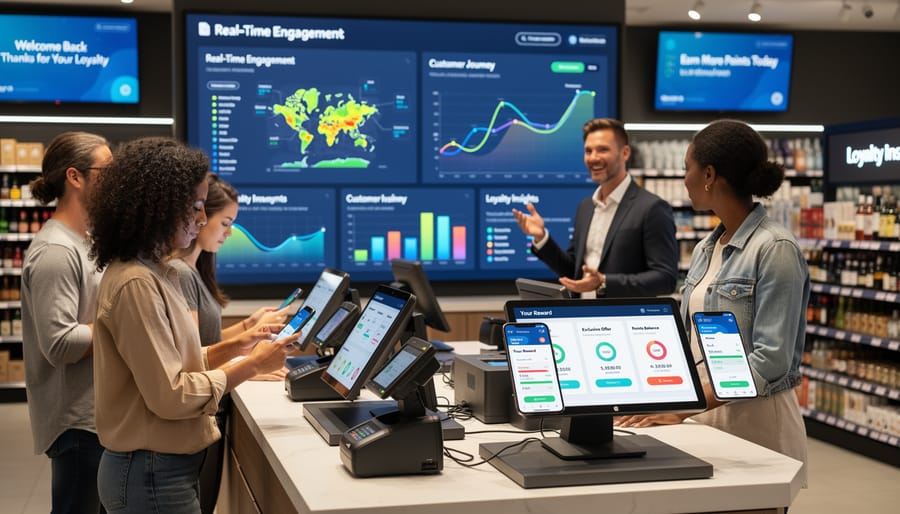
Generic “10% off your next purchase” rewards no longer cut it in today’s competitive landscape. E-dynamic learning transforms loyalty programs by analyzing individual customer data to deliver rewards that genuinely motivate action. Instead of blanket discounts, the system identifies what each customer actually values based on their browsing patterns, purchase frequency, and previous redemptions.
For example, a customer who regularly buys premium products but never uses percentage-off coupons might respond better to early access to new releases or exclusive product bundles. Meanwhile, price-sensitive shoppers receive targeted discount offers on items they’ve already shown interest in. This approach to personalized customer communication ensures your marketing budget works harder by focusing on what actually drives individual purchasing decisions.
The system continuously learns from customer responses, automatically adjusting reward types and timing. If a customer ignores email rewards but redeems SMS offers within hours, the platform shifts communication channels accordingly. This automated optimization removes guesswork from your loyalty strategy while increasing redemption rates by up to 40%. The result is customers who feel understood and businesses that see measurable returns on their loyalty investments without manual intervention.
Testing and Learning Without the Manual Work
Traditional A/B testing requires constant manual monitoring, data analysis, and program adjustments. E-dynamic learning eliminates this workload by automatically testing different reward structures, point values, and engagement triggers in real-time.
The system runs continuous experiments across your customer base, measuring which incentives drive the strongest responses. For example, it might test whether 100 points or a 10% discount generates more repeat purchases from first-time buyers, then automatically implement the winning option. This happens without requiring your team to set up tests, analyze spreadsheets, or make manual changes.
What makes this particularly valuable is the ongoing nature of the optimization. Customer preferences shift with seasons, economic conditions, and competitive offers. Your loyalty program automatically adapts to these changes, testing new variations and refining performance without your intervention.
The learning extends beyond simple reward values. The system identifies optimal timing for engagement messages, the most effective communication channels for different customer segments, and which combination of incentives produces the highest lifetime value. Each interaction feeds the learning algorithm, making your program progressively more effective.
This automated approach means you’re not locked into decisions made during initial program setup. Your loyalty strategy evolves based on actual customer behavior, delivering better results while freeing your team to focus on strategic initiatives rather than program maintenance.
Budget Allocation That Maximizes ROI
Traditional loyalty programs distribute rewards evenly across all members, regardless of their value to your business. E-dynamic learning changes this by automatically reallocating your marketing budget to where it delivers the highest returns.
The system continuously analyzes customer behavior patterns, purchase history, and engagement levels to calculate predicted lifetime value for each member. It then identifies which customers are most likely to respond positively to specific incentives. Instead of sending the same discount to everyone, the platform directs premium offers to high-value customers showing signs of decreased engagement, while allocating smaller rewards to less responsive segments.
This automated reallocation happens in real-time without manual intervention. When the system detects a valuable customer at risk of churning, it immediately triggers targeted retention offers. Meanwhile, customers who consistently purchase without incentives receive recognition-based rewards that cost less but maintain engagement.
The financial impact is substantial. By concentrating spending on segments with proven high response rates and significant lifetime value potential, businesses typically see 30-40% better ROI from their loyalty programs that drive revenue. Your budget works harder because every dollar flows to customers most likely to generate measurable returns, eliminating wasteful spending on low-probability conversions.
Implementation Steps for Small to Medium-Sized Businesses

Start with Your Data Foundation
Before implementing dynamic learning in your loyalty program, you need a solid data foundation. Think of this as building a house—without proper groundwork, nothing else will stand.
Start by collecting three essential data categories. First, capture detailed purchase history including transaction dates, product categories, average order values, and purchase frequency. This reveals buying patterns that dynamic systems can learn from.
Second, gather engagement metrics across all customer touchpoints. Track email open rates, click-through rates, program login frequency, reward redemption patterns, and response rates to different offers. These behaviors signal what motivates each customer segment.
Third, maintain comprehensive customer profiles with basic demographics, communication preferences, anniversary dates, and stated interests or preferences. This contextual information helps personalize automated communications effectively.
The key is ensuring your data collection happens automatically through your existing systems. Most modern point-of-sale systems, email platforms, and customer relationship management tools already capture this information—you just need to organize it properly. Clean, centralized data allows dynamic learning systems to identify patterns and automatically adjust program elements without manual intervention. Without this foundation, you’ll simply be guessing rather than learning from actual customer behavior.
Choose the Right Tools for Your Size
Selecting the right e-dynamic learning platform depends on your business size and existing infrastructure. Small to medium-sized enterprises benefit most from solutions that offer quick implementation and intuitive interfaces without requiring extensive IT resources. Look for platforms with pre-built templates, drag-and-drop automation builders, and straightforward pricing models that scale with your customer base.
For SMEs, prioritize tools that integrate seamlessly with popular email marketing platforms, CRM systems, and e-commerce solutions you already use. Cloud-based options typically offer the best value, eliminating server maintenance costs while providing automatic updates and reliable uptime.
Larger enterprises should evaluate platforms with advanced API capabilities, custom workflow builders, and robust data analytics. These organizations need solutions that can handle complex customer segmentation, multi-channel communication, and integration with legacy systems.
Regardless of size, ensure your chosen platform supports automated learning algorithms that adapt based on customer behavior patterns. The system should automatically adjust reward triggers, communication frequency, and engagement strategies without constant manual intervention. Request demos that showcase real-world scenarios specific to your industry, and verify that customer support includes onboarding assistance and ongoing training resources to maximize your team’s effectiveness.
Set Clear Optimization Goals
Before implementing e-dynamic learning, establish specific, measurable objectives that align with your business priorities. Rather than vague aspirations like “improve loyalty,” identify concrete metrics you’ll track and target.
Start with customer retention rates as your primary benchmark. Set a realistic goal, such as increasing retention by 15% within six months. Track average order value (AOV) to measure whether personalized recommendations are driving larger purchases. For example, aim to boost AOV by 10-20% through automated product suggestions based on purchase history.
Monitor churn rates closely—the percentage of customers who stop engaging with your program. A well-optimized e-dynamic learning system should reduce churn by identifying at-risk customers and triggering automated re-engagement communications before they lapse.
Engagement metrics matter equally. Define what engagement means for your business: email open rates, reward redemption frequency, or time between purchases. Set quarterly targets for each metric.
Document your baseline numbers before implementation. This provides the foundation for measuring ROI and justifying your investment. Remember, optimization is ongoing—your automated system will continuously refine these outcomes, but you need clear starting points to demonstrate progress and adjust your strategy as customer behavior evolves.
Measuring What Matters: KPIs for Dynamic Loyalty Programs
To understand whether your e-dynamic loyalty program is delivering results, you need to track specific metrics that reflect actual business impact. These measurements go beyond vanity metrics like total enrollments to focus on what truly drives profitability.
Start with incremental revenue per customer, which measures the additional spending generated from loyalty members compared to non-members. Track this monthly to identify whether your adaptive rewards are successfully encouraging higher purchase values. A well-functioning dynamic program should show steady increases as the system learns and optimizes.
Retention lift is equally critical. Compare retention rates between customers in your dynamic program versus a control group or your previous static program. You should see measurable improvements within 90 days, with key retention metrics showing decreased churn among engaged members.
Monitor reward redemption efficiency by calculating the percentage of issued rewards that customers actually use. Dynamic programs typically achieve 60-80% redemption rates because personalized offers align with genuine customer preferences. Low redemption suggests your system needs refinement to better match rewards with individual behaviors.
Calculate program ROI by dividing the incremental profit generated by loyalty members by your total program costs, including technology, rewards, and management expenses. Successful e-dynamic programs typically achieve ROI improvements of 15-30% within the first year compared to static alternatives.
Set up automated reporting dashboards that track these metrics weekly. This allows you to quickly identify trends, spot underperforming segments, and make data-driven adjustments. Remember, the goal isn’t perfect metrics immediately, but consistent improvement over time as your system learns and adapts to customer behavior patterns.
Common Pitfalls and How to Avoid Them
Even the most well-intentioned dynamic loyalty programs can fail when businesses stumble into common implementation traps. Understanding these pitfalls upfront saves time, resources, and customer relationships.
The first major mistake is over-engineering your rewards structure. Many businesses create convoluted point systems with multiple tiers, expiration dates, and complex redemption rules. Customers quickly lose interest when they can’t easily understand what they’re earning or how to use it. Keep your initial structure simple. Start with straightforward rewards based on purchase frequency or spending thresholds, then gradually introduce complexity only if data shows customers are engaged and ready for it.
Another critical error is implementing changes without proper customer communication. When your automated system adjusts reward thresholds or modifies earning rates, customers notice. Silent changes breed distrust and frustration. Always inform your customers about program updates through email, in-app notifications, or your website. Explain the reasoning behind adjustments and highlight how changes benefit them whenever possible.
Setting unrealistic expectations about automation creates disappointment and operational problems. While dynamic systems handle data analysis and reward delivery efficiently, they don’t eliminate the need for strategic oversight. You still need to review performance metrics, adjust parameters based on business goals, and monitor customer feedback. Automation amplifies your strategy but doesn’t replace strategic thinking.
Finally, businesses often sacrifice the human element for efficiency gains. Automated processes should enhance personal connections, not replace them. Ensure your system triggers personalized messages, enables easy customer service access, and allows manual overrides for special circumstances. The most successful programs blend automated efficiency with genuine human touchpoints that make customers feel valued as individuals, not just data points.
E-dynamic learning represents a fundamental shift in how loyalty programs operate, but it’s important to understand what it is and what it isn’t. This approach doesn’t replace your judgment, expertise, or strategic vision. Instead, it eliminates the time-consuming, repetitive work of manually analyzing customer data, calculating reward effectiveness, and adjusting point values across hundreds or thousands of transactions.
Think of it as having a tireless assistant that continuously monitors program performance, identifies patterns you might miss in daily operations, and implements the tactical adjustments that keep your program competitive. The system handles the grunt work while you retain complete control over strategic decisions and customer relationships.
This automation creates something invaluable: time. Time to craft meaningful customer communications. Time to develop creative campaign strategies. Time to build genuine relationships with your best customers rather than drowning in spreadsheets and performance reports.
The real value emerges when businesses stop spending 80 percent of their effort on data analysis and redirect that energy toward what drives growth, personalized engagement and strategic innovation.
Ready to see if your current loyalty program could benefit from this approach? Start with a simple assessment. Calculate how many hours your team spends each month on loyalty program analysis and manual adjustments. Then ask yourself: what could we accomplish with that time back? The answer usually makes the next step clear.
Leave a Reply