Why Your Customers Are Already Sharing Biometric Data (And How Smart Marketers Use It)
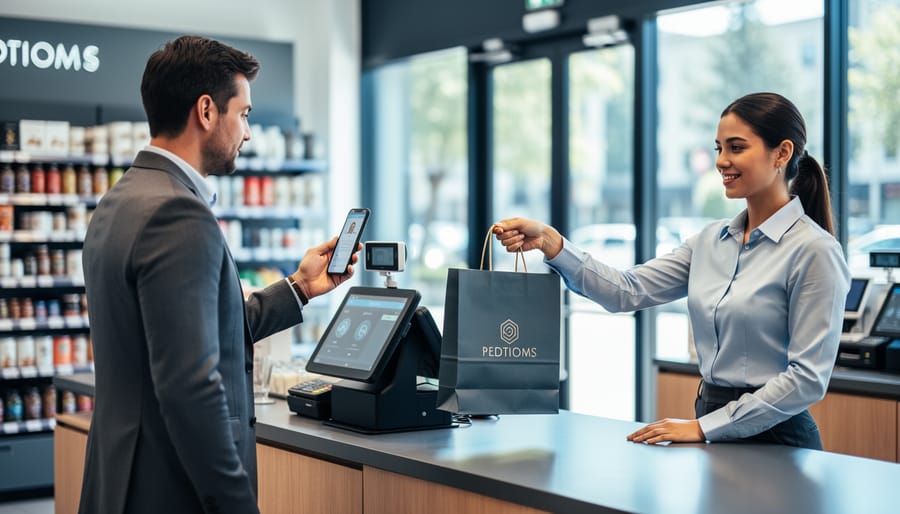
Biometric integration is transforming how businesses authenticate customers and personalize experiences, moving beyond passwords to use fingerprints, facial recognition, and voice patterns as secure identifiers. This technology now powers everything from mobile payment approvals to personalized marketing campaigns, creating friction-free customer journeys while generating unprecedented data about consumer behavior and preferences.
The business case is compelling: companies implementing biometric authentication report 67% faster checkout times and 43% reduction in cart abandonment rates. Retailers use facial recognition to identify VIP customers as they enter stores, triggering personalized greetings and product recommendations to sales staff in real-time. Financial services firms authenticate transactions through voice biometrics during phone calls, eliminating knowledge-based verification questions that frustrate customers and slow service delivery.
However, this power comes with significant responsibility. Biometric data represents the most sensitive personal information imaginable—you can change a password, but you cannot change your fingerprint. Businesses must navigate complex privacy regulations like GDPR and CCPA, implement military-grade encryption, and maintain transparent consent processes. One data breach involving biometric information can permanently damage customer trust and result in devastating legal consequences.
The strategic question is not whether to adopt biometric integration, but how to implement it responsibly while maximizing competitive advantage. Success requires balancing customer convenience with privacy protection, choosing the right biometric modalities for your specific use cases, and building automated systems that enhance rather than replace human touchpoints in client communication.
What Biometric Integration Actually Means for Your Marketing Strategy
Digital biometrics in marketing refers to the collection and analysis of unique physical and behavioral characteristics to personalize customer experiences and improve campaign effectiveness. Unlike traditional demographic data, biometric integration captures real-time human responses that reveal genuine emotional engagement and attention patterns.
Three primary types of biometric data are reshaping modern marketing strategies. Facial recognition technology analyzes micro-expressions and emotional responses to advertisements, helping you understand which creative elements resonate with your audience. Voice pattern analysis evaluates tone, pitch, and sentiment during customer service interactions or voice-activated shopping experiences. Behavioral biometrics track how users interact with digital platforms, including typing patterns, navigation habits, and scrolling behavior, creating detailed profiles of customer preferences.
In emerging media channels, these technologies enable unprecedented personalization. Retail environments use facial recognition to identify returning customers and surface relevant product recommendations on digital displays. Voice-activated assistants leverage vocal analysis to detect customer frustration and automatically route calls to specialized support teams. Mobile apps employ behavioral biometrics to streamline authentication processes, reducing friction in the customer journey while maintaining security.
The practical application extends beyond security features. Marketing teams now use biometric feedback to test campaign concepts before full deployment, measuring genuine emotional responses rather than relying solely on surveys. Streaming platforms analyze viewing patterns and engagement signals to optimize content recommendations. E-commerce sites track cursor movements and hesitation points to identify conversion barriers in the checkout process.
This integration creates automated marketing systems that respond to customer needs in real-time. When your digital platforms recognize returning visitors through behavioral patterns, they can automatically adjust messaging, pricing displays, and product suggestions without requiring manual segmentation. The result is marketing that feels intuitive and responsive, improving both customer satisfaction and conversion rates while reducing the manual effort required from your team.

The Emerging Media Channels Already Using Biometric Data
Social Media and Video Platforms
Social media platforms have become testing grounds for biometric integration, with facial recognition powering everything from augmented reality filters to advanced audience analytics. Snapchat and Instagram use facial mapping to apply real-time filters, while TikTok employs emotion detection algorithms to optimize content recommendations based on user reactions.
Major brands are leveraging these capabilities to refine their marketing strategies. Coca-Cola has experimented with facial recognition at vending machines to gauge customer reactions and adjust product placement. Nike uses emotion detection in retail stores to measure shopper engagement with displays and adjust merchandising accordingly.
YouTube and Facebook analyze viewer engagement patterns through webcam-based attention tracking (with user permission) to help content creators understand which moments captivate audiences. This data enables more targeted content creation and advertising placement.
For business owners, these platforms offer automated emotion analytics dashboards that translate facial responses into actionable insights. You can track which product features generate positive reactions, optimize video content length based on attention spans, and personalize client communications based on emotional engagement patterns—all without manual data collection.
Voice-Activated Marketing Channels
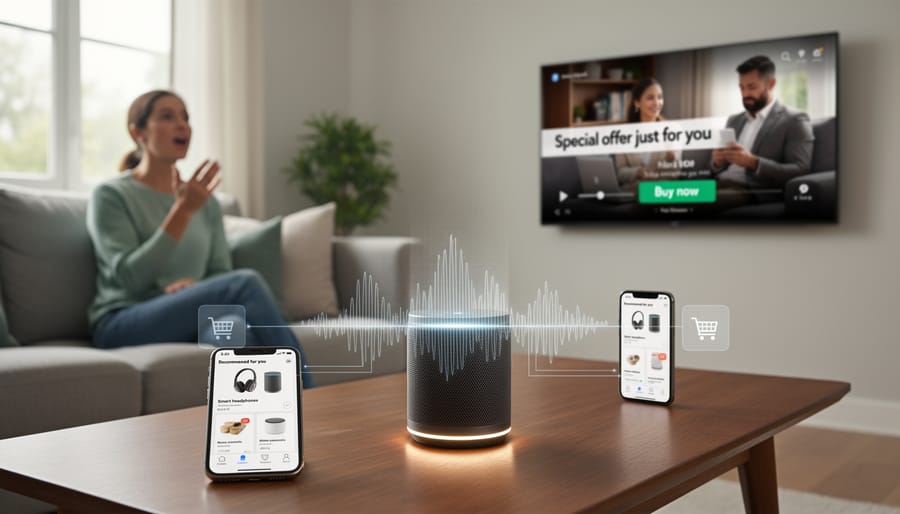
Voice commerce is transforming how consumers interact with brands. Smart speakers now occupy 35% of U.S. households, creating new opportunities for voice-activated marketing campaigns. Voice biometrics adds a personalization layer that traditional channels cannot match.
When customers use voice-enabled devices, biometric authentication identifies individual users within the same household. This allows brands to deliver customized product recommendations, promotional offers, and content based on previous purchase behavior and preferences. A family sharing one smart speaker receives different marketing messages depending on who’s speaking.
The practical applications extend beyond simple recognition. Voice biometrics enables automated reordering systems that learn purchase patterns, personalized flash sale notifications, and targeted audio advertisements during podcast streaming. Retail brands are already using this technology to reduce friction in the customer journey while increasing conversion rates.
For businesses, the advantage lies in automation. Voice-activated systems handle routine customer communications without manual intervention, freeing your team for complex tasks. The technology also provides valuable data on customer preferences and shopping habits, helping refine your overall marketing strategy while maintaining conversational, personalized interactions at scale.
Augmented and Virtual Reality Experiences
Modern AR/VR experiences are revolutionizing how brands connect with consumers through biometric integration. These platforms now capture eye-tracking data, heart rate variations, and hand movement patterns to understand user engagement at unprecedented levels. When someone explores a virtual showroom or tries on products through augmented reality, marketers gain insights into what captures attention, triggers emotional responses, and drives purchasing decisions.
This creates powerful opportunities for personalized marketing. Brands can automatically adjust virtual environments based on user stress levels or excitement, delivering customized experiences that resonate. For example, if biometric data shows a customer lingering on specific product features, your system can highlight similar options or provide targeted information.
The practical applications extend beyond entertainment. Real estate companies use biometric feedback during virtual property tours to identify genuine interest. Retailers optimize virtual store layouts by tracking where customers naturally look and how long they engage with different products. These automated processes eliminate guesswork, allowing you to refine marketing strategies based on physiological responses rather than assumptions.
Real Business Benefits: What Biometric Integration Delivers
Hyper-Personalized Customer Experiences
Biometric data unlocks hyper-personalized experiences that go far beyond traditional demographic targeting. By analyzing facial expressions, voice patterns, and emotional responses, businesses can tailor marketing messages in real-time based on how customers actually feel about content, not just what they click.
Retailers are already using emotion recognition to adjust product recommendations on digital displays when they detect customer interest or hesitation. Streaming platforms analyze viewing patterns combined with biometric feedback to refine content suggestions with remarkable accuracy. Voice assistants now adapt their responses based on detected stress levels or mood in a customer’s voice.
This technology enables automated customer journey optimization that responds to genuine engagement signals. When your marketing automation platform integrates biometric insights, it can trigger personalized follow-up communications based on authentic customer reactions rather than guesswork. For example, if biometric data shows positive engagement during a product demo, your system can automatically send targeted offers while interest peaks.
The key advantage is moving from assumed preferences to measured responses, creating marketing experiences that truly resonate with individual customers at the right moment.
Streamlined Customer Authentication and Reduced Friction
Biometric authentication eliminates the traditional friction points that cause customers to abandon transactions. Instead of remembering complex passwords or waiting for verification codes, customers can complete purchases with a fingerprint scan or facial recognition in seconds. This streamlined approach directly impacts your bottom line—research shows that reducing authentication time from 90 seconds to under 10 seconds can increase conversion rates by up to 30%.
For customer onboarding, biometric integration cuts the typical multi-step verification process down to a single action. New customers can create accounts and make their first purchase within minutes rather than navigating through email confirmations and password creation screens. This immediate gratification meets modern consumer expectations for speed and convenience.
Account access becomes equally effortless. Customers returning to your platform no longer need to reset forgotten passwords or contact support for login issues. Automated biometric verification handles authentication instantly, reducing support tickets and improving customer satisfaction scores. The technology works seamlessly across devices, allowing customers to switch between mobile apps and desktop platforms without repeatedly entering credentials. This consistency strengthens brand loyalty while your team focuses on value-adding client communication rather than troubleshooting access problems.
Enhanced Security That Builds Trust
Biometric integration transforms security from a simple gatekeeper into a competitive advantage. When customers know their data is protected by fingerprint, facial recognition, or voice authentication, they’re more likely to engage with your automated marketing systems. Unlike passwords that can be shared or stolen, biometric data creates a unique, unforgeable connection between your customers and their accounts.
This enhanced security directly reduces fraud-related chargebacks and account takeovers, protecting both your bottom line and customer relationships. Automated fraud detection systems powered by biometric verification can instantly flag suspicious activity without creating friction for legitimate users. The result? Faster transactions, fewer false declines, and customers who feel confident sharing their information with your business. When you communicate these security measures clearly in your client communications, you’re not just preventing problems—you’re building the foundation for long-term trust and loyalty.
Privacy Concerns You Can’t Ignore
Biometric integration offers powerful marketing capabilities, but it comes with significant privacy responsibilities that can’t be sidestepped. The good news? Addressing these concerns upfront strengthens your customer relationships rather than weakening them.
Three major regulations govern biometric data collection in key markets. The General Data Protection Regulation (GDPR) in Europe classifies biometric data as “special category” personal information, requiring explicit consent and stringent security measures. California’s Consumer Privacy Act (CCPA) grants consumers the right to know what biometric data you’re collecting and how you’re using it. Illinois’ Biometric Information Privacy Act (BIPA) goes even further, mandating written consent before any biometric collection and imposing strict retention policies.
Non-compliance isn’t just a legal headache. Companies have faced multi-million dollar settlements for mishandling biometric data. The risk extends beyond fines to damaged brand reputation and lost customer trust, which can take years to rebuild.
The ethical considerations matter just as much as legal ones. Your customers need to understand exactly what biometric data you’re collecting, why you need it, and how long you’ll keep it. Vague privacy policies won’t cut it anymore. Modern consumers expect transparency, especially when it involves their facial features, fingerprints, or voice patterns.
Here’s the practical reality: transparency builds trust, and trust drives business. When you’re upfront about biometric data collection, implement strong security measures, and give customers real control over their information, you differentiate your brand in a privacy-conscious marketplace.
Automated consent management systems can streamline compliance across multiple regulations without creating bottlenecks in your customer experience. These tools handle consent capture, data retention schedules, and deletion requests, ensuring you stay compliant as regulations evolve.
The key is positioning privacy as a competitive advantage rather than a checkbox exercise. Communicate clearly with your customers about how biometric integration enhances their experience while protecting their data. Publish straightforward privacy policies written in plain language. Provide easy opt-out mechanisms. When customers see you taking their privacy seriously, they’re more likely to engage with your biometric-enabled marketing initiatives.
Remember: the businesses that succeed with biometric integration will be those that view privacy protection as a customer service priority, not a regulatory burden.

How to Start Integrating Biometric Data Without Overwhelming Your Team
Assess Your Current Media Channels and Customer Touchpoints
Before implementing biometric technology, map out your existing customer journey to identify high-impact integration points. Start by listing every channel where customers interact with your brand—your website, mobile app, physical locations, customer service portals, and point-of-sale systems.
Evaluate each touchpoint against three key criteria: security requirements, friction points, and customer expectations. Biometric integration delivers the most value where authentication is repetitive or time-consuming, such as account logins, payment verification, or loyalty program access.
Consider your audience demographics carefully. Younger, tech-savvy customers typically embrace biometric options like facial recognition or fingerprint scanning, while other segments may prefer traditional methods. Survey your customer base to gauge comfort levels and preferences before committing resources.
Focus on channels that handle sensitive data or transactions first. E-commerce checkouts, banking interfaces, and subscription management portals benefit most from streamlined biometric authentication. Physical retail environments can leverage biometric payment systems to reduce checkout times and improve customer experience.
Document current pain points in your customer communication workflows. If password resets flood your support team or abandoned carts stem from complex login processes, these represent prime opportunities for biometric solutions that automate authentication while maintaining security standards.
Choose the Right Tools and Platforms
Selecting the right biometric integration tools starts with evaluating platforms that offer user-friendly interfaces and pre-built integrations with your existing marketing stack. Look for solutions that provide plug-and-play compatibility with popular CRM systems, email marketing platforms, and analytics tools to minimize technical complexity.
Prioritize vendors that offer comprehensive API documentation and dedicated support teams, even if you’re not technically inclined. The best platforms feature intuitive dashboards that display biometric insights in straightforward visual formats, making data interpretation simple for your marketing team.
Consider cloud-based solutions that handle the heavy lifting of data processing and storage, eliminating the need for extensive infrastructure investments. These platforms typically include automated compliance features that help you navigate privacy regulations without requiring legal expertise.
Start with pilot programs using vendors that offer flexible pricing models and trial periods. This approach allows you to test biometric capabilities on smaller campaigns before committing to enterprise-level implementations. Focus on platforms that emphasize automated client consent management and transparent data handling processes.
Request demonstrations that showcase real-time integration capabilities and reporting features. The right tool should seamlessly fit into your current workflow while enhancing your ability to personalize client communications and measure emotional engagement across your marketing channels.
Build Customer Trust Through Transparent Communication
Transparency begins with clear, upfront consent processes. Before collecting biometric data, implement automated consent workflows that explain exactly what you’re capturing, how you’ll use it, and how long you’ll retain it. Use plain language rather than legal jargon—your customers should understand their rights in under 30 seconds of reading.
Make privacy policies easily accessible and update customers whenever data practices change. Set up automated email notifications that alert users to policy updates, and provide simple opt-out mechanisms at every touchpoint. This proactive communication demonstrates respect for customer autonomy.
Turn privacy into a competitive differentiator by publicly sharing your data protection measures. Create a dedicated privacy page explaining your encryption methods, storage protocols, and third-party audit results. When competitors hide behind vague statements, your transparency builds trust.
Consider implementing a customer data dashboard where users can view, download, or delete their biometric information at any time. This self-service approach reduces support inquiries while empowering customers with control over their personal data—a powerful trust-building combination in today’s privacy-conscious market.
Biometric integration represents a significant opportunity for businesses willing to approach it thoughtfully. Rather than viewing this technology as a threat to privacy or an overwhelming technical challenge, forward-thinking companies can leverage it to create more personalized, secure, and efficient customer experiences that set them apart from competitors.
The key to success lies in transparency and customer-centricity. Businesses that clearly communicate how they collect biometric data, what they use it for, and how they protect it will build trust that translates into loyalty. This transparency should extend to your automated processes, ensuring customers understand and feel comfortable with each touchpoint in their journey.
Start small and scale strategically. You don’t need to implement comprehensive facial recognition systems on day one. Begin with a single application, perhaps voice authentication for customer service calls or fingerprint verification for account access. Monitor the results, gather customer feedback, and refine your approach before expanding to additional channels.
The competitive advantage goes to those who act now while maintaining ethical standards. As biometric technology becomes more mainstream, early adopters who have already established trust and optimized their systems will be positioned to capture market share.
Consider how biometric integration fits within your broader marketing and customer communication strategy. The technology works best when it enhances existing relationships rather than replacing human touchpoints entirely. If you’re ready to explore how biometric solutions can streamline your customer interactions while maintaining the personal connection your clients value, taking that first step today positions your business for tomorrow’s marketplace.
Leave a Reply