Why Global Brands Fail (And the Cultural Branding Strategy That Prevents It)

Cultural branding transcends simple translation of marketing materials. It requires brands to understand and authentically reflect the values, beliefs, and behaviors of specific cultural groups while maintaining core brand identity. When executed effectively, cultural branding creates emotional connections that drive loyalty and market penetration in diverse regions.
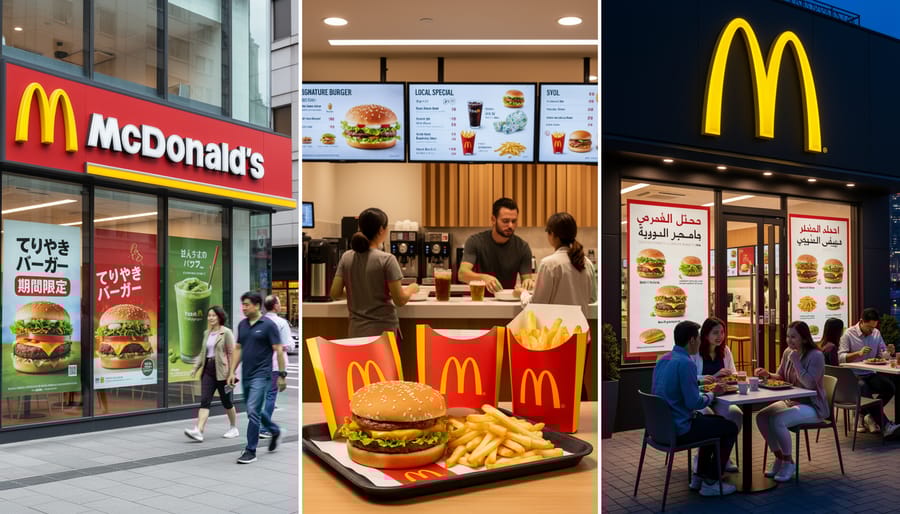
Nike’s success in China demonstrates this principle perfectly. Rather than importing Western athletic culture wholesale, the brand integrated local concepts like collective achievement and family honor into campaigns featuring Chinese athletes. McDonald’s adapts menu items and restaurant designs to reflect regional tastes and dining customs across Asia, the Middle East, and Europe, maintaining golden arches recognition while respecting cultural preferences.
However, cultural branding failures cost companies millions and damage reputations. Pepsi’s translation mishap in China, Dolce & Gabbana’s offensive campaign imagery, and Chevrolet’s Nova naming issue in Spanish-speaking markets illustrate how superficial approaches backfire.
The difference between success and failure lies in systematic cultural research, local team involvement, and genuine respect for cultural nuances. Marketing professionals must move beyond demographic data to understand cultural context, religious considerations, color symbolism, communication styles, and social hierarchies. This means investing in local partnerships, conducting thorough market research, and testing campaigns with cultural consultants before launch.
The following examples reveal specific strategies global brands use to navigate cultural complexities, along with frameworks you can implement to avoid costly mistakes and build authentic connections with diverse audiences.
What Cultural Branding Actually Means in Global Markets
Cultural branding goes far beyond translating your tagline into another language or swapping product colors for different markets. It’s the strategic practice of aligning your brand identity, messaging, and values with the cultural beliefs, behaviors, and expectations of specific target audiences across different regions.
Unlike simple localization, which focuses on language and basic regional adaptations, cultural branding requires deep understanding of how cultural contexts shape consumer perceptions and purchasing decisions. It means recognizing that a marketing campaign celebrating individualism might resonate in the United States but fall flat in collectivist societies like Japan or South Korea. It’s understanding that humor, symbolism, and even color associations carry vastly different meanings across cultures.
This approach isn’t about political correctness or checking boxes. It’s a strategic business imperative driven by bottom-line results. Brands that ignore cultural nuances risk alienating potential customers, triggering boycotts, or simply wasting marketing budgets on campaigns that don’t connect. Meanwhile, companies that invest in localized content strategies see measurably higher engagement rates, stronger brand loyalty, and improved market penetration.
The key distinction is intent and depth. Translation changes words. Localization adapts format and convention. Cultural branding transforms the entire brand experience to feel native and relevant within a specific cultural context while maintaining core brand identity. It requires research, local expertise, and often, the humility to let regional teams lead the creative direction rather than imposing headquarters’ vision globally.
For businesses entering new markets, cultural branding represents the difference between being seen as a foreign entity trying to sell products and becoming a trusted brand that understands and respects its audience.

The Real Cost of Getting Cultural Branding Wrong
Cultural missteps aren’t just embarrassing—they’re expensive. When brands ignore cultural context, the consequences extend far beyond bad press, resulting in quantifiable financial losses and long-term reputation damage.
Dolce & Gabbana learned this lesson harshly in 2018 when their promotional campaign in China featured a Chinese model struggling to eat Italian food with chopsticks. The ad was perceived as condescending and culturally insensitive, sparking immediate backlash on Chinese social media. The financial impact was swift: the brand’s Shanghai fashion show was canceled, major e-commerce platforms removed their products, and the company lost an estimated $500 million in revenue. Chinese sales, which had represented a significant growth market, plummeted.
Pepsi’s expansion into China in the 1980s provides another cautionary tale. Their slogan “Come Alive with the Pepsi Generation” translated into Chinese as “Pepsi Brings Your Ancestors Back from the Grave.” While the company recovered, the initial launch stumbled significantly in a market they desperately wanted to capture.
H&M faced severe backlash in South Africa and globally in 2018 when they featured a young Black child modeling a hoodie with the phrase “Coolest Monkey in the Jungle.” The company issued apologies and removed the product, but not before losing partnerships with major brand ambassadors and facing store protests. The incident resulted in temporary store closures and damaged credibility with diverse consumer segments.
The pattern is clear: cultural insensitivity triggers immediate social media backlash, followed by consumer boycotts, damaged partnerships, and measurable revenue loss. Beyond immediate financial impact, these missteps create lasting brand perception issues that take years to rebuild.
The solution isn’t avoiding global markets—it’s investing in proper cultural research, engaging local consultants, and implementing streamlined review processes that catch potential issues before launch. Automated monitoring tools can help track sentiment across different markets, while clear communication protocols ensure cultural considerations remain central to brand decisions.
Cultural Branding Success Stories: What They Did Right
McDonald’s: Menu Adaptation That Respects Local Tastes
McDonald’s exemplifies cultural branding excellence through strategic menu adaptation across global markets. The fast-food giant maintains its core brand identity while demonstrating respect for local tastes and cultural values, proving that standardization and localization can coexist profitably.
In India, where approximately 40% of the population follows vegetarian diets, McDonald’s eliminated beef and pork entirely from its menu. The chain introduced the McAloo Tikki burger, featuring a spiced potato patty, which has become one of their best-selling items globally. They also developed the Maharaja Mac, using chicken or paneer instead of beef, and created separate vegetarian and non-vegetarian kitchen sections to honor religious dietary practices.
Japan’s McDonald’s showcases seasonal adaptability with limited-time offerings like the Teriyaki Burger and Ebi Filet-O (shrimp burger), aligning with local seafood preferences. The chain also reduced portion sizes to match Japanese dining expectations and introduced the Tsukimi Burger during moon-viewing season, connecting with cultural traditions through emotional marketing approaches.
In Middle Eastern markets, McDonald’s serves the McArabia, a grilled chicken or beef patty wrapped in flatbread, and ensures all meat is halal-certified. The restaurants also implement gender-separated dining areas in certain locations, respecting local customs.
This localization strategy demonstrates that successful cultural branding requires understanding regional preferences while maintaining brand consistency. McDonald’s proves that adapting product offerings to cultural contexts drives market acceptance without diluting brand recognition, providing a replicable framework for businesses expanding internationally.
Coca-Cola: Name Localization Done Right
Coca-Cola’s entry into the Chinese market demonstrates exceptional cultural adaptation through name localization. Rather than using a direct phonetic translation, which initially resulted in the unfortunate “Ke-kou-ke-la” (meaning “bite the wax tadpole”), the company invested time researching Chinese characters that maintained phonetic similarity while conveying positive meaning. They settled on “Ke-kou-ke-le,” which translates to “happiness in the mouth” or “delicious happiness.”
This approach balanced three critical factors: pronunciation familiarity, cultural meaning, and brand essence. The result was a name that Chinese consumers could easily pronounce while carrying positive connotations aligned with Coca-Cola’s global messaging of happiness and refreshment.
In Arabic markets, Coca-Cola faced different challenges. The company maintained its recognizable script logo while ensuring the phonetic pronunciation worked naturally in Arabic. They also adapted their marketing imagery to reflect local customs, such as featuring family gatherings during Ramadan and adjusting advertising content to respect cultural sensitivities.
The key takeaway for businesses is that effective name localization requires more than linguistic translation. It demands understanding how sounds, meanings, and visual elements interact within each culture. Coca-Cola’s success came from extensive market research, collaboration with local experts, and willingness to adapt their brand presentation while maintaining core identity. This systematic approach to cultural adaptation can be replicated by businesses of any size entering new markets.
Nike: Visual Storytelling Across Cultural Boundaries
Nike demonstrates masterful visual storytelling by tailoring campaigns to regional cultural values while maintaining brand consistency through its core “Just Do It” message. The brand strategically selects local athletes who embody cultural ideals rather than simply featuring global superstars in every market.
In China, Nike partnered with basketball player Yi Jianlian and featured traditional Lunar New Year imagery, connecting athletic achievement with family honor and perseverance—values deeply rooted in Chinese culture. Their Middle Eastern campaigns showcase women athletes in modest sportswear, acknowledging cultural sensitivities while promoting empowerment. In India, Nike highlighted cricket over traditional Western sports, recognizing the nation’s sporting passion.
The brand’s visual approach adapts color symbolism, imagery, and messaging hierarchy based on cultural preferences. Japanese campaigns emphasize minimalism and precision, while Latin American content features vibrant colors and community celebration. This localized execution happens within Nike’s global design framework, ensuring the swoosh and brand ethos remain instantly recognizable.
For businesses implementing similar strategies, start by researching cultural symbols, local sports heroes, and regional values. Partner with local creatives who understand nuanced preferences. Test visual elements with focus groups before broad launches. Remember that successful cultural adaptation isn’t about changing your brand identity—it’s about expressing universal brand values through culturally relevant storytelling that resonates authentically with each market.
Airbnb: Building Trust Through Cultural Understanding
Airbnb transformed from a Silicon Valley startup to a global hospitality platform by recognizing that trust and home-sharing mean different things across cultures. In Japan, where privacy and cleanliness standards are exceptionally high, Airbnb introduced rigorous host certification programs and partnered with local cleaning services to meet cultural expectations. The platform also adapted its interface to emphasize detailed property information and host verification, addressing Japanese travelers’ need for certainty before booking.
In China, Airbnb rebranded to “Aibiying” (meaning “welcome each other with love”) and integrated WeChat for seamless communication between hosts and guests, aligning with local preferences for instant messaging over email. The company developed China-specific features like group booking capabilities, recognizing the cultural importance of traveling with extended family and friends.
For Middle Eastern markets, Airbnb adjusted search filters to accommodate gender-specific accommodation preferences and family-friendly options, respecting cultural norms around privacy and hospitality. The platform also emphasized properties suitable for large family gatherings, reflecting regional social customs.
This cultural adaptation strategy demonstrates that successful global expansion requires more than translation. It demands understanding local hospitality customs, communication preferences, and trust-building mechanisms. By automating these cultural adaptations into their platform while maintaining consistent brand values, Airbnb achieved sustainable growth across diverse markets.

How to Build Cultural Sensitivity Into Your Branding Strategy
Conduct Meaningful Cultural Research Before Market Entry
Before entering a new market, invest time in understanding local cultural values through accessible research methods. Start with free government resources like the CIA World Factbook and national tourism boards, which provide demographic data and cultural overviews. Social media listening tools such as Google Trends, Twitter Analytics, and Facebook Audience Insights reveal real-time consumer conversations and preferences in specific regions.
Engage directly with local communities through online forums like Reddit’s country-specific subreddits or LinkedIn groups where professionals discuss regional business practices. Monitor competitor reviews on local platforms—not just Yelp or Google, but region-specific sites like Trustpilot in Europe or Dianping in China—to understand what resonates or offends local consumers.
YouTube and TikTok content from local creators offers unfiltered insights into daily life, humor, and taboos. Create simple customer surveys using SurveyMonkey or Google Forms distributed through local social channels. Finally, reach out to university international student groups or cultural associations for informal focus group conversations. This grassroots approach provides authentic cultural intelligence without the hefty consultant fees.

Assemble Local Voices Into Your Decision-Making Process
Building an effective cultural branding strategy requires input from people who actually understand the local market. Start by recruiting local team members or contractors who can provide authentic insights into cultural nuances before you finalize campaigns. These individuals should review your messaging, visuals, and overall brand positioning to flag potential issues early.
Focus groups remain one of the most cost-effective validation tools. Organize small sessions with 6-8 participants from your target demographic to test brand concepts, taglines, and visual elements. Even virtual focus groups can reveal critical cultural blind spots that internal teams might miss.
Consider partnering with cultural consultants for specific markets, especially when entering new regions. These experts don’t need to be permanent hires—engage them on a project basis to review campaigns before launch. This approach prevents expensive mistakes while keeping costs manageable.
Create a standardized feedback loop where local voices can quickly flag concerns. Use collaborative tools and regular check-ins to maintain open communication channels. The investment in these perspectives typically costs far less than rebranding after a cultural misstep. Remember, authentic cultural adaptation happens when you listen to those who live the culture daily, not just research it from afar.
Test Your Branding Elements Before Full Launch
Before rolling out your cultural branding campaign globally, implement systematic testing to avoid costly missteps. Start with A/B testing your visual elements across different cultural segments using digital platforms. Test color schemes, symbols, and imagery with small, representative audience samples from each target market to gauge immediate reactions and cultural appropriateness.
Leverage AI-powered testing tools to scale your validation process efficiently. These platforms can analyze sentiment across multiple languages and cultural contexts simultaneously, providing data-driven insights within days rather than months. Test your messaging variations through targeted social media campaigns with minimal budget allocations to measure engagement and response rates.
Create feedback loops with local cultural consultants or focus groups in each market. Use automated survey tools to collect quantitative data while conducting qualitative interviews for deeper insights. Pay particular attention to unintended meanings, cultural taboos, or negative associations that might not be immediately obvious.
Document all testing results in a centralized dashboard accessible to your team and stakeholders. This transparency ensures everyone understands the rationale behind final branding decisions and builds confidence before committing to full-scale launch investments.
Common Cultural Branding Pitfalls and How to Avoid Them
Even well-intentioned brands stumble when navigating cultural nuances. Understanding common pitfalls helps you create culturally appropriate campaigns from the start, saving time and protecting your reputation.
The most frequent mistake is direct translation without cultural adaptation. Many businesses assume word-for-word translation suffices, but language carries cultural context that literal translation misses. When KFC entered China with their slogan “Finger-lickin’ good,” it initially translated to “Eat your fingers off,” creating confusion rather than appetite appeal. The lesson: work with cultural consultants who understand both language and local context, not just translators.
Color symbolism varies dramatically across cultures, yet brands often overlook this detail. While white represents purity in Western markets, it signifies mourning in many Asian countries. Red signals danger in some regions but prosperity in others. Before finalizing visual elements, research color associations in your target markets and adjust accordingly.
Imagery choices can inadvertently offend or alienate audiences. Using inappropriate hand gestures, religious symbols, or culturally insensitive stereotypes damages brand credibility quickly. IKEA faced criticism for removing women from its Saudi Arabian catalog, while others have been called out for using sacred symbols as decorative elements. Prevent these issues by involving local team members in creative review processes and conducting cultural audits before launch.
Timing mistakes happen when brands ignore local holidays, events, or sensitive historical dates. Launching campaigns during religious observances or memorial periods shows cultural ignorance. Create a cultural calendar for each market that includes major holidays, observance periods, and significant dates to avoid.
Assumptions about values and lifestyles create disconnects with audiences. Not all Western marketing approaches translate to Eastern markets, and urban versus rural differences exist within single countries. The concept of individualism versus collectivism affects messaging effectiveness. Brands promoting personal achievement may resonate in individualistic cultures but feel tone-deaf in collectivist societies that prioritize community and family.
Prevent these pitfalls through systematic processes. Establish cultural review checkpoints in your campaign development workflow. Build diverse teams or advisory boards representing your target markets. Test concepts with focus groups from specific cultural backgrounds before full launches. These automated safeguards catch issues early, maintaining consistent client communication and protecting your brand’s global reputation.
Cultural branding isn’t just about avoiding missteps or checking compliance boxes. When approached strategically, cultural sensitivity becomes a powerful competitive advantage that builds deeper customer connections, expands market reach, and strengthens brand loyalty across diverse audiences. The brands that succeed globally aren’t those that simply translate their messaging, but those that genuinely understand and respect the cultural contexts they enter.
The examples we’ve explored demonstrate that effective cultural branding requires ongoing commitment, not one-time campaigns. It demands active listening to local communities, flexibility in your approach, and willingness to adapt your core messaging while maintaining brand integrity. Companies that invest in cultural intelligence consistently outperform competitors who treat localization as an afterthought.
Now is the time to audit your current branding strategy through a cultural lens. Start by examining your visual elements, messaging, and customer touchpoints. Ask yourself: Does my brand inadvertently exclude certain audiences? Are we making assumptions about cultural preferences? Have we consulted with people from the communities we’re trying to reach?
Take actionable steps today. Review your marketing materials with diverse focus groups, automate processes that allow for cultural customization, and prioritize open communication channels with customers from different backgrounds. Remember that cultural branding is an ongoing journey of learning and refinement. The brands that embrace this truth position themselves not just for global expansion, but for sustainable growth in increasingly diverse markets everywhere.
Leave a Reply