How Digital Ethnography Blends Qualitative and Quantitative Consumer Insights

Ethnographic research transcends the traditional qualitative-quantitative divide, emerging as a hybrid methodology essential for modern digital market analysis. In today’s data-driven business landscape, successful ethnographic studies combine rich qualitative observations of online consumer behavior with quantifiable metrics that validate behavioral patterns. Marketing professionals leverage this dual approach to capture both the nuanced emotional drivers behind purchasing decisions and the measurable digital footprints left by consumers across platforms.
Consider an e-commerce platform tracking user navigation patterns while simultaneously conducting in-depth interviews about shopping experiences. The quantitative data reveals where customers click and how long they spend on each page, while qualitative insights explain why they make these choices. This integration of methods provides business owners with a comprehensive understanding of their target audience, enabling more informed strategic decisions.
The real power of modern ethnographic research lies in its ability to transform complex human behaviors into actionable business intelligence. Whether analyzing social media engagement, user interface interactions, or customer service touchpoints, the methodology delivers both statistical significance and contextual depth. For businesses seeking to optimize their digital presence, this balanced approach offers the most complete picture of consumer behavior in the digital age.
The Dual Nature of Digital Ethnographic Research

Qualitative Elements in Digital Ethnography
Digital ethnography employs several key qualitative methods to gather rich, contextual insights about online consumer behavior. Observational techniques allow researchers to study how users naturally interact with digital platforms, tracking their journey through websites, social media engagement patterns, and response to various content types.
In-depth digital interviews, conducted through video calls or messaging platforms, provide direct access to consumer thoughts and motivations. These conversations often reveal unexpected insights about user preferences and pain points that might not be captured through quantitative data alone. The semi-structured nature of these interviews allows for organic discussion flow while maintaining focus on key research objectives.
Social listening and consumer sentiment analysis form another crucial qualitative element, enabling researchers to understand the emotional resonance of brands and products within online communities. By analyzing user-generated content, comments, and reviews, businesses can identify emerging trends and shifting consumer attitudes.
Narrative analysis of digital content, including social media posts, blog comments, and forum discussions, helps researchers understand the stories and experiences that shape consumer behavior. This method reveals how customers relate to brands and products on a personal level, providing context that numbers alone cannot capture.
Digital ethnographers also examine visual data through content analysis of images, videos, and memes shared by users. This approach offers insights into cultural meanings and social contexts that influence purchasing decisions and brand relationships, making it an invaluable tool for modern market research.
Quantitative Aspects of Digital Consumer Observation
While traditional ethnographic research is often associated with qualitative methods, digital consumer observation offers robust opportunities for quantitative analysis. Modern analytics tools and tracking systems provide measurable data points that complement qualitative insights with hard numbers and statistical evidence.
Key quantitative metrics in digital ethnographic research include:
– Time spent on specific web pages
– Click-through rates and navigation patterns
– Purchase frequency and cart abandonment rates
– Social media engagement metrics
– User session duration and return visits
– Conversion funnel analytics
These metrics can be collected through various digital tools such as Google Analytics, heat mapping software, and social media analytics platforms. The data helps researchers identify patterns and trends in consumer behavior at scale, providing statistical significance to their observations.
For example, a retail website might track not only what customers buy but also how they navigate through product categories, which features they interact with most frequently, and at what points they typically exit the site. This numerical data can reveal behavioral patterns that might not be apparent through qualitative observation alone.
Digital ethnographers can also measure:
– Device usage preferences
– Peak activity times
– Geographic distribution of users
– Demographic correlations
– Response rates to various content types
– User flow through digital experiences
By combining these quantitative measurements with qualitative insights, researchers can create a more complete picture of digital consumer behavior. This hybrid approach allows businesses to make data-driven decisions while maintaining the rich contextual understanding that ethnographic research provides.
The key is to use quantitative data to validate qualitative findings and identify areas that require deeper qualitative investigation, creating a cyclical research process that continuously refines understanding of consumer behavior.
Modern Tools for Digital Ethnographic Research
Social Media Analytics Platforms
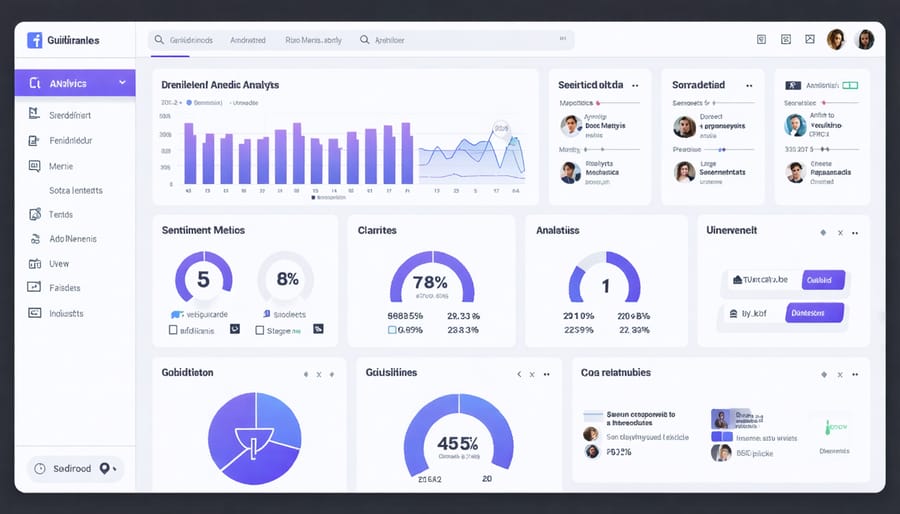
Modern social media analytics platforms offer a unique blend of qualitative and quantitative research capabilities, making them valuable tools for ethnographic research in the digital age. These platforms combine sentiment analysis and content categorization with hard metrics like engagement rates and reach statistics.
Tools like Sprout Social, Hootsuite Analytics, and Brandwatch provide dashboards that showcase both numerical data and contextual insights. For instance, they can track conversation themes and emotional responses while simultaneously measuring share counts and impression numbers. This dual approach allows researchers to understand not just how many people are engaging with content, but also why and in what ways they’re connecting with it.
The qualitative aspects include:
– Comment analysis and sentiment tracking
– Customer conversation themes
– Brand perception monitoring
– Content categorization
– Cultural context identification
The quantitative elements cover:
– Engagement metrics
– Reach and impression data
– Demographic information
– Peak activity times
– Growth rate statistics
This combination enables businesses to conduct comprehensive ethnographic research that captures both the statistical significance of social media behaviors and the deeper cultural meanings behind them. By analyzing both types of data simultaneously, organizations can develop more nuanced and effective strategies for connecting with their target audiences.
Consumer Behavior Tracking Solutions
Modern technology has revolutionized how businesses track and analyze consumer behavior patterns, blending both qualitative and quantitative data collection methods. Tools like heat mapping software, session recording applications, and AI-powered analytics platforms automatically capture user interactions while providing contextual insights into customer motivations.
These automated solutions offer a comprehensive view of consumer behavior by collecting numerical metrics such as click-through rates, time spent on pages, and conversion data, while simultaneously recording qualitative information like mouse movements, scroll patterns, and interaction flows. This dual approach helps businesses understand not just what customers do, but why they do it.
Popular tracking solutions include:
– Eye-tracking software that monitors visual attention patterns
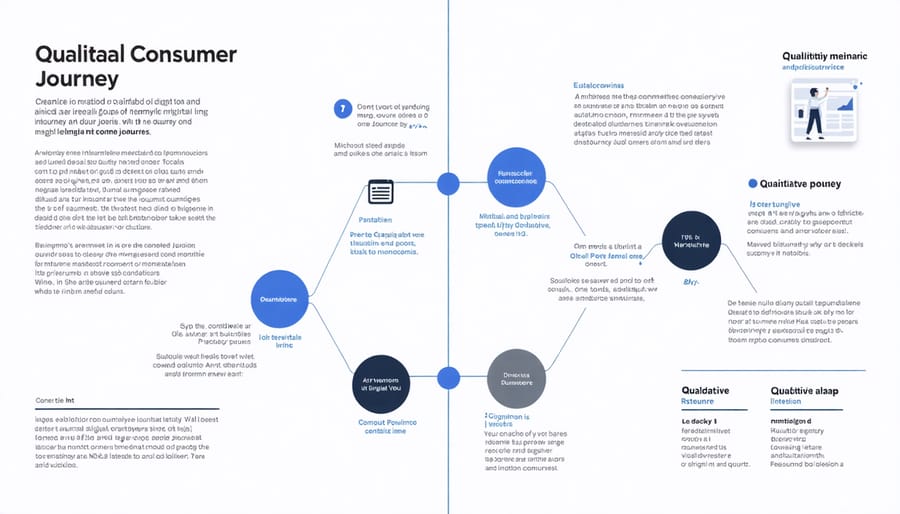
– Customer journey mapping tools that document the complete user experience
– Social listening platforms that analyze sentiment and conversations
– Behavioral analytics tools that identify usage patterns and friction points
The beauty of these modern solutions lies in their ability to seamlessly integrate quantitative measurements with qualitative observations. For instance, while a tool might track the exact number of customers abandoning their shopping carts (quantitative), it can also reveal the specific interface elements causing frustration (qualitative).
This technological convergence has made it easier for businesses to conduct continuous ethnographic research without choosing between qualitative or quantitative approaches exclusively.
Practical Applications for Businesses
Modern businesses can effectively implement mixed-method ethnographic research through several practical approaches. A retail chain, for instance, might combine in-store observation with digital analytics to understand shopping patterns. They could use security cameras to track customer movement (quantitative) while having researchers interact with shoppers to gather detailed feedback (qualitative).
Tech companies frequently employ digital ethnography by analyzing user interaction data while simultaneously conducting in-depth interviews. This combination provides personalized consumer insights that drive product development and user experience improvements.
Consider a coffee shop chain implementing these methods:
– Quantitative tracking: footfall patterns, purchase timing, and popular product combinations
– Qualitative observation: customer interactions, seating preferences, and social dynamics
– Digital integration: mobile app usage data combined with customer feedback sessions
E-commerce businesses can implement mixed-method ethnography through:
1. Website analytics (quantitative)
– Click-through rates
– Time spent on pages
– Cart abandonment metrics
2. User experience research (qualitative)
– Screen recordings of shopping sessions
– Customer journey mapping
– Live chat transcripts
Small businesses can start with simple implementations:
– Using social media analytics while conducting customer interviews
– Combining sales data with observation of customer behavior
– Recording and analyzing customer service calls while tracking resolution metrics
The key to successful implementation is maintaining a balanced approach. Start with clear objectives, use appropriate tools for data collection, and ensure both quantitative and qualitative methods complement each other to provide a complete picture of customer behavior and preferences.
In today’s digital landscape, the distinction between qualitative and quantitative ethnographic research is increasingly blurred, with both approaches working together to provide comprehensive consumer insights. Digital tools now allow researchers to capture rich qualitative data through social media interactions and online communities while simultaneously collecting quantitative metrics like engagement rates and user behavior patterns. This dual approach enables businesses to understand both the ‘what’ and ‘why’ of consumer behavior, leading to more informed decision-making. By combining these methodologies, companies can develop deeper customer understanding through stories and experiences while validating their findings with measurable data. The future of digital ethnography lies in this balanced approach, where qualitative insights inform quantitative research design and vice versa, creating a more complete picture of the digital consumer landscape.
Leave a Reply