Digital Marketing That Actually Works: Seamless Integration for Better Results

Transform your digital marketing efforts into a cohesive integrated marketing strategy by aligning all online channels toward clear business objectives. Modern digital marketing demands synchronization across social media, content marketing, email campaigns, and paid advertising to deliver consistent brand messaging and maximize ROI.
Today’s consumers interact with brands through multiple touchpoints before making purchase decisions, making channel integration critical for success. Data shows that businesses implementing integrated digital marketing approaches experience 23% higher conversion rates and 37% better customer retention compared to single-channel strategies.
Digital marketing integration requires three core components:
1. Unified data collection and analysis across all channels
2. Consistent brand voice and messaging frameworks
3. Automated workflows that connect marketing activities
This comprehensive approach enables real-time optimization, personalized customer experiences, and measurable business growth through digital channels. By breaking down silos between marketing functions and establishing clear metrics for success, organizations can build sustainable competitive advantages in the digital space.
The following guide provides a systematic framework for developing and implementing an integrated digital marketing strategy that drives measurable results while optimizing resource allocation.
Building Your Digital Marketing Foundation
Website Optimization: Your Digital Hub
Your website serves as the central hub of your digital marketing strategy, acting as the primary destination for all your online marketing efforts. Think of it as your digital storefront, operating 24/7 to convert visitors into customers. Effective website optimization ensures that this crucial asset performs at its peak potential.
To maximize your website’s effectiveness, focus on three key areas: technical performance, user experience, and conversion optimization. Start with the basics of fast loading speeds, mobile responsiveness, and secure hosting. These technical elements form the foundation of a well-performing website that search engines favor and users trust.
User experience optimization involves creating intuitive navigation, clear calls-to-action, and engaging content that guides visitors toward your business objectives. Consider implementing heat mapping tools and user testing to understand how visitors interact with your site and identify areas for improvement.
Conversion optimization requires continuous testing and refinement of your website elements. This includes optimizing landing pages, testing different content layouts, and streamlining your checkout process if you’re running an e-commerce site. Use A/B testing to make data-driven decisions about what works best for your audience.
Remember that website optimization is not a one-time task but an ongoing process. Regular monitoring of key performance indicators, such as bounce rates, page load times, and conversion rates, helps you maintain and improve your website’s effectiveness as a central component of your digital marketing strategy.
Content Strategy: Connecting the Dots
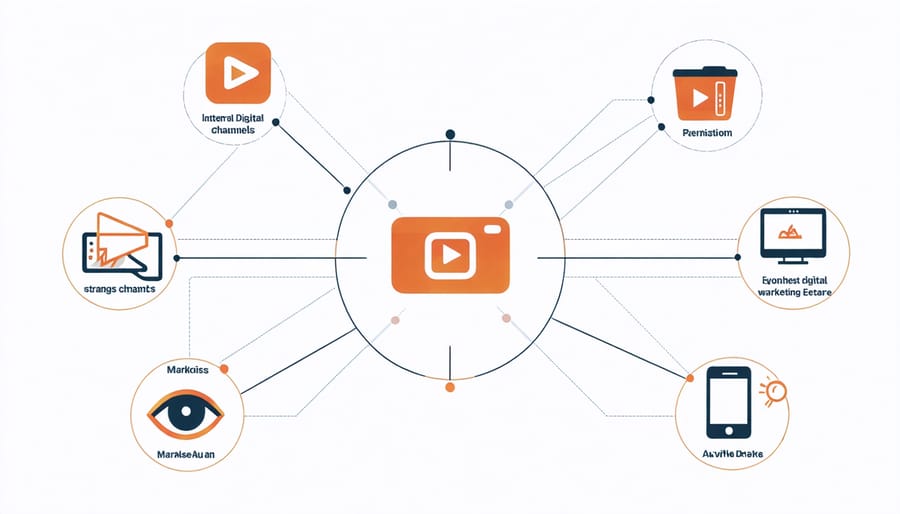
Content serves as the foundation of all digital marketing efforts, acting as the connective tissue between various channels and strategies. A well-executed content strategy that drives growth ensures consistency across all touchpoints while supporting your broader marketing objectives.
Your content directly impacts search engine optimization through keyword-rich blog posts and landing pages. It fuels social media engagement through shareable articles and infographics. Email marketing campaigns rely on valuable content to nurture leads, while paid advertising needs compelling copy to convert prospects. Even your customer service benefits from well-documented resources and FAQs.
To maximize the impact of your content across channels:
1. Create a content calendar that aligns with your overall marketing goals
2. Develop pillar content pieces that can be repurposed across different platforms
3. Ensure brand messaging consistency across all channels
4. Track content performance metrics to optimize future creation
5. Use automation tools to schedule and distribute content efficiently
Remember that quality content isn’t just about creating materials for each channel independently. It’s about developing interconnected pieces that work together to guide prospects through your marketing funnel while maintaining a cohesive brand voice and message across all platforms.
Seamless Channel Integration
SEO and Content Marketing Synergy
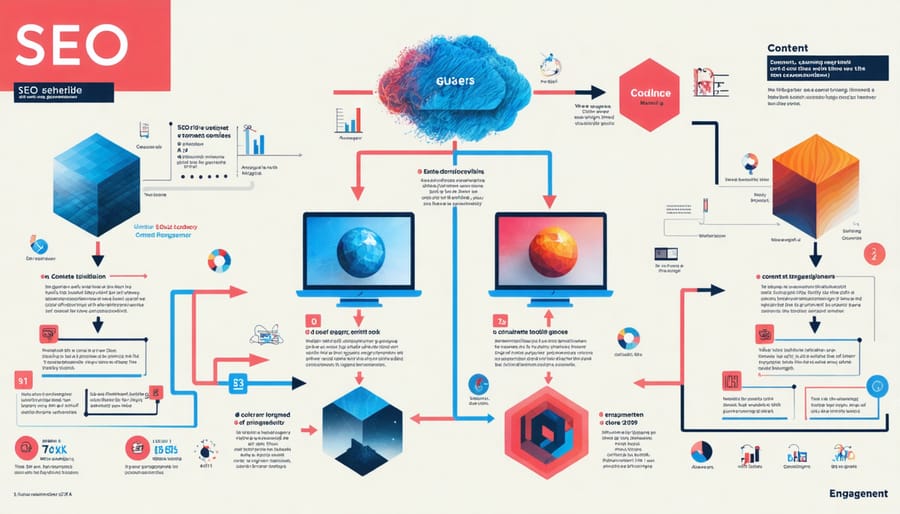
In today’s digital landscape, the integration of SEO and content marketing isn’t just beneficial—it’s essential for sustainable online success. Understanding SEO fundamentals is crucial, but it’s the strategic alignment with content marketing that truly drives results.
To create this synergy, start by conducting comprehensive keyword research that reflects both search intent and content opportunities. Use these insights to develop content that naturally incorporates target keywords while providing genuine value to your audience. This approach ensures your content not only ranks well but also engages readers effectively.
Consider creating content clusters—interconnected pieces that cover various aspects of your main topics. This structure helps search engines understand your content’s context while providing in-depth value to readers. For example, if you’re targeting “digital marketing strategy,” create supporting content about specific tactics, case studies, and implementation guides.
Leverage data from both SEO and content performance metrics to refine your approach. Monitor key indicators like organic traffic, time on page, bounce rates, and conversion rates to understand what resonates with your audience. Use these insights to optimize existing content and inform future content creation.
Remember to maintain consistency in your publishing schedule and quality standards. Regular, high-quality content updates signal to search engines that your site is active and authoritative, while giving your audience reasons to return.
Social Media and Email Marketing Connection
Social media and email marketing are two powerful channels that, when properly integrated, can significantly amplify your digital marketing impact. The key to success lies in creating seamless campaigns that maintain consistent messaging while leveraging the unique strengths of each platform.
Start by aligning your content calendar across both channels. When planning social media posts, consider how they can complement your email campaigns. For instance, use social media to build anticipation for upcoming email promotions or share snippets of your newsletter content to drive email list signups.
Implement cross-promotion strategies by including social media buttons in your emails and encouraging email subscriptions through your social posts. This creates a natural flow between platforms and helps grow both audiences simultaneously.
Use data from both channels to inform your strategy. Email click-through rates can help identify content themes that resonate with your audience, which you can then adapt for social media. Similarly, trending social media topics can inspire relevant email content.
Automation plays a crucial role in maintaining consistency. Set up triggered email campaigns based on social media interactions and use social scheduling tools that integrate with your email marketing platform. This ensures your messaging remains cohesive while saving valuable time.
Remember to maintain brand voice and visual identity across both channels while adapting content format to suit each platform’s requirements. This creates a unified brand experience regardless of where your audience encounters your message.
Paid Advertising Integration
Paid advertising integration is crucial for maximizing your digital marketing impact when combined strategically with organic efforts. Rather than treating PPC and organic marketing as separate entities, successful businesses align these channels to create a cohesive presence that delivers better results at lower costs.
Start by analyzing your organic search performance to identify gaps where paid advertising can provide immediate visibility. Use these insights to create complementary PPC campaigns that target high-value keywords where organic rankings need support. This approach ensures efficient budget allocation while maintaining consistent messaging across both channels.
Cross-pollinate your content strategy by using high-performing PPC ad copy to inform your organic meta descriptions and headlines. Similarly, use insights from successful organic content to craft more compelling ad copy. This data-driven approach helps optimize both channels simultaneously.
Consider implementing a remarketing strategy that targets users who’ve engaged with your organic content, creating multiple touchpoints across their customer journey. This integration helps nurture leads more effectively and increases conversion rates.
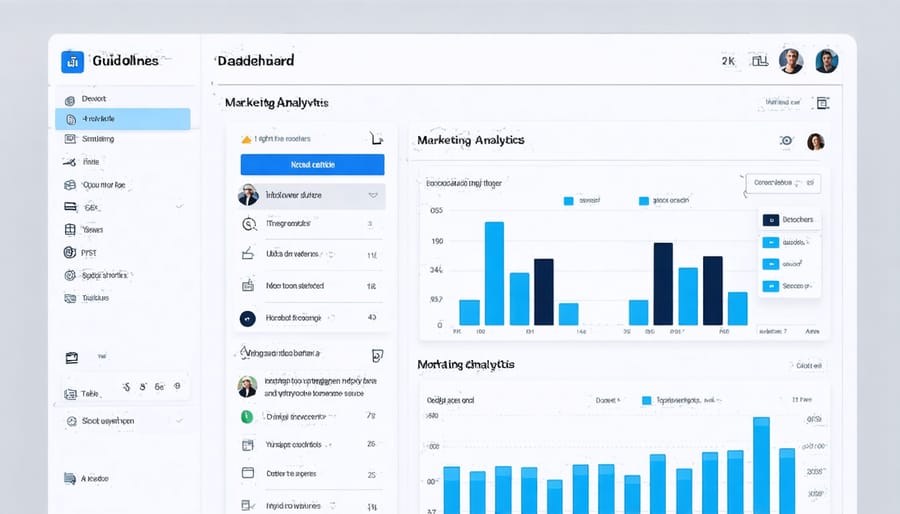
Monitor performance metrics from both channels in a unified dashboard to identify opportunities for optimization. Pay special attention to how changes in one channel affect the other, and adjust your strategy accordingly. This holistic approach enables you to make data-driven decisions that improve overall marketing effectiveness while maintaining cost efficiency.
Remember to maintain consistent branding and messaging across both paid and organic efforts to build trust and recognition with your target audience.
Automation and Analytics
Marketing Automation Essentials
In today’s fast-paced digital landscape, implementing effective marketing automation tools is no longer optional but essential for business success. Automation streamlines your marketing efforts, ensures consistency in customer communications, and frees up valuable time for strategic planning.
Start by automating your email marketing campaigns with triggered responses based on customer behavior. Set up welcome sequences for new subscribers, nurture existing leads with personalized content, and re-engage inactive customers automatically. This systematic approach maintains constant communication while reducing manual effort.
Social media scheduling tools help maintain a consistent online presence across platforms. Schedule posts in advance, track engagement metrics, and adjust your strategy based on performance data. Integration with your CRM system ensures all customer interactions are recorded and accessible for personalized follow-up.
Lead scoring automation helps prioritize prospects based on their engagement level and readiness to purchase. Set up workflows that automatically tag and segment contacts based on their interactions with your content, enabling more targeted marketing efforts and improved conversion rates.
Customer journey mapping automation tracks touchpoints across channels, providing valuable insights into behavior patterns. Use this data to create targeted campaigns that respond to specific customer needs at each stage of their journey.
Remember to regularly review and optimize your automation workflows. Monitor key performance indicators, test different approaches, and refine your processes based on results. This continuous improvement ensures your automation strategy remains effective and aligned with your business goals.
Measuring Cross-Channel Success
Measuring success across multiple marketing channels requires a systematic approach to marketing analytics and KPIs. To effectively track your integrated marketing efforts, focus on both channel-specific metrics and overarching business objectives.
Start by establishing clear baseline measurements for each channel, including social media engagement rates, email open rates, website traffic, and conversion rates. Then, implement cross-channel attribution modeling to understand how different touchpoints contribute to your overall marketing success.
Key metrics to monitor include:
– Customer journey touchpoints
– Cross-channel conversion rates
– Customer acquisition costs
– Lifetime value across channels
– Campaign ROI by channel
– Overall brand awareness metrics
Use unified tracking systems and dashboard solutions to consolidate data from various channels. This enables real-time monitoring and quick adjustments to your strategy. Set up automated reporting to track these metrics consistently and identify trends over time.
Remember to measure both quantitative and qualitative data. While numbers tell part of the story, customer feedback, brand sentiment, and market positioning provide valuable context for your metrics.
Regular analysis of these measurements helps identify:
– Which channel combinations drive the best results
– Where your audience is most engaged
– How different channels support each other
– Areas needing optimization
– Resource allocation effectiveness
Review and adjust your measurement framework quarterly to ensure it aligns with your evolving marketing goals and business objectives. This systematic approach to measurement ensures your integrated strategy remains effective and data-driven.
Implementation Framework
Strategy Development Process
Developing an effective digital marketing strategy begins with a systematic approach that aligns your business objectives with your online presence. Start by conducting a thorough audit of your current digital assets and marketing efforts. This assessment should identify gaps, opportunities, and areas for improvement across all digital channels.
Next, define clear, measurable goals that support your broader business objectives. Whether you’re aiming to increase brand awareness, generate leads, or boost sales, your goals should follow the SMART framework: Specific, Measurable, Achievable, Relevant, and Time-bound.
Create detailed buyer personas to understand your target audience’s needs, preferences, and online behavior. This information will guide your channel selection and content strategy, ensuring your messages resonate with the right people at the right time.
Map out your customer journey, identifying key touchpoints where digital marketing can make the most impact. This helps in creating a cohesive experience across all channels and platforms.
Determine your budget allocation based on potential ROI and prioritize channels that align with your goals and audience behavior. Consider both organic and paid strategies, ensuring a balanced approach that maximizes your resources.
Finally, establish key performance indicators (KPIs) and tracking mechanisms before implementation. This preparation ensures you can measure success and make data-driven adjustments to your strategy as needed.
Remember to build flexibility into your plan, allowing for adjustments based on market changes and performance data.
Timeline and Resource Allocation
Effective resource allocation and timeline management are crucial for successful digital marketing implementation. Start by creating a 12-month marketing calendar that outlines key campaigns, content releases, and promotional activities. This master timeline should include specific milestones and deadlines for each marketing channel while maintaining flexibility for real-time adjustments.
Allocate your budget across channels based on their historical performance and strategic importance. A typical distribution might be 40% for paid advertising, 30% for content creation and SEO, 20% for social media management, and 10% for email marketing and other activities. However, adjust these percentages according to your specific business goals and target audience behavior.
Use project management tools to track progress and resource utilization. Assign clear roles and responsibilities to team members, ensuring each channel has a dedicated owner. Consider peak periods and seasonal trends when planning resource allocation, and build in buffer time for unexpected opportunities or challenges.
Implement automation tools where possible to maximize efficiency. Schedule regular performance reviews (monthly or quarterly) to assess resource allocation effectiveness and make necessary adjustments. This iterative approach helps optimize your marketing mix while ensuring resources are used efficiently across all channels.
Remember to maintain open communication channels between teams to prevent resource conflicts and ensure smooth coordination across marketing initiatives. Regular team meetings and progress updates help keep everyone aligned with overall strategic objectives.

In today’s rapidly evolving digital landscape, implementing an integrated digital marketing strategy is no longer optional but essential for business success. Throughout this guide, we’ve explored the fundamental components of a comprehensive online marketing approach, from establishing clear objectives to leveraging various digital channels effectively.
Remember that successful digital marketing integration requires careful planning, consistent execution, and regular optimization. Start by auditing your current digital presence and identifying gaps in your marketing efforts. Then, develop a cohesive strategy that aligns your content, social media, email marketing, and paid advertising initiatives toward common goals.
Key action steps for implementation include:
– Setting up analytics tracking across all channels
– Creating a content calendar that coordinates messaging across platforms
– Establishing automated workflows for routine marketing tasks
– Developing a measurement framework to track ROI
– Regular review and adjustment of strategies based on performance data
Focus on building a strong foundation first, then gradually expand your digital presence across channels. Prioritize automation where possible to maintain consistency and efficiency, but don’t forget the human element in your marketing efforts. Regular communication with your audience and personalized interactions remain crucial for building lasting relationships.
As you move forward, stay flexible and ready to adapt to new digital trends and technologies. Remember that successful digital marketing is an ongoing process of testing, learning, and refining your approach. Start implementing these strategies today, measure your results, and continuously optimize for better performance.
By taking an integrated approach to digital marketing, you’ll create a more powerful, efficient, and effective marketing machine that drives real business results.
Leave a Reply