Why Your Email Subscribers Keep Leaving (And How Preference Centers Fix It)

An email preference center transforms subscriber control into your competitive advantage. Give contacts the power to choose email frequency, content types, and communication channels—then watch engagement rates climb while unsubscribe rates drop. Build automated workflows that segment subscribers based on their stated preferences, eliminating guesswork and ensuring every email delivers relevant content. Implement preference data to trigger targeted nurture sequences that respect boundaries while moving prospects through your pipeline. Set up granular options for product updates, educational content, promotional offers, and company news, allowing subscribers to self-segment into audiences primed for conversion. Connect preference center data directly to your marketing automation platform to update contact properties in real-time, triggering immediate workflow adjustments. The businesses that win subscriber trust through transparent preference management see 30% higher open rates and significantly longer customer lifetime value. Your preference center isn’t just a compliance tool—it’s a strategic asset that turns permission into performance, replacing batch-and-blast tactics with precision communication that subscribers actually want to receive.
What Is an Email Preference Center?
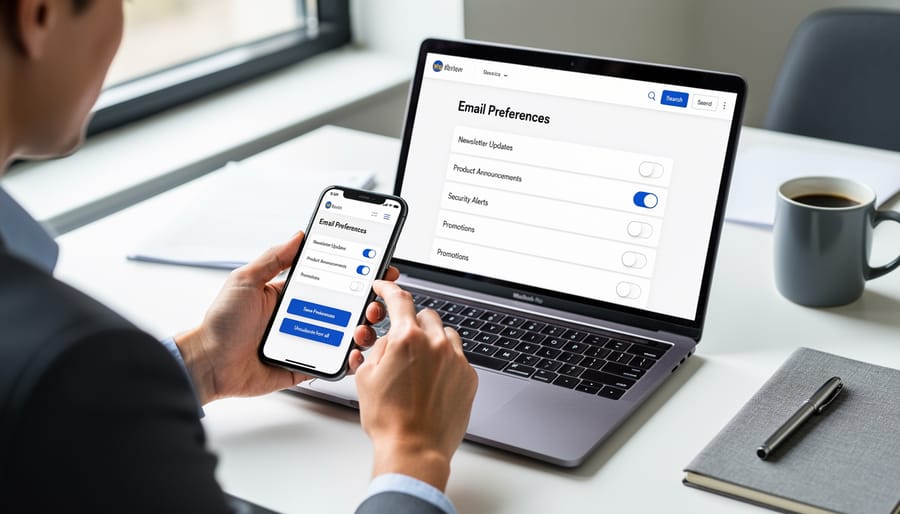
An email preference center is a dedicated webpage where subscribers can customize how they receive communications from your business. Rather than forcing recipients into an all-or-nothing choice between staying subscribed or opting out completely, preference centers give people granular control over the types of emails they receive, how often they hear from you, and what topics interest them most.
Think of it as the difference between canceling a magazine subscription entirely versus choosing which sections you want to read. A traditional unsubscribe link is binary: you’re either in or out. A preference center acknowledges that someone might love your product updates but find daily promotional emails overwhelming, or they might want monthly newsletters without event invitations cluttering their inbox.
At its core, an email preference center serves as a communication agreement between you and your subscribers. It collects zero-party data, information that customers intentionally and proactively share with you about their preferences and interests. This data becomes invaluable for creating targeted, relevant email campaigns that people actually want to receive.
The shift toward preference centers represents a fundamental change in email marketing philosophy. Instead of treating your entire list as a homogeneous group, you’re acknowledging that different subscribers have different needs and communication preferences. This approach reduces unsubscribe rates by giving frustrated recipients an alternative to leaving your list entirely.
Modern preference centers typically allow subscribers to select email frequency, choose content categories, update contact information, and indicate communication channel preferences. Some advanced centers even let subscribers set preferences for specific product lines or business divisions. By implementing automated workflows that respect these preferences, you demonstrate respect for your subscribers’ time and attention while maintaining valuable connections that might otherwise be lost.
The Business Case for Consent-Based Nurturing
How Preference Centers Reduce Unsubscribe Rates
Preference centers give subscribers control over their email experience rather than forcing an all-or-nothing decision. When someone considers unsubscribing, they typically have a specific complaint: too many emails, irrelevant content, or messages about topics that don’t interest them. Without options, they leave entirely.
A well-designed preference center addresses these concerns directly. Subscribers who feel overwhelmed by daily emails can switch to a weekly digest. Those interested only in product updates can opt out of promotional content while staying on your list. This granular control transforms potential unsubscribes into engaged subscribers who receive only what they value.
Real-world data supports this approach. Companies implementing preference centers typically see 20-30% of users who click “unsubscribe” choose to adjust their preferences instead of leaving completely. That’s a significant portion of your audience retained through simple choice architecture.
The automated aspect matters too. Once subscribers set their preferences, your email system automatically segments and delivers appropriate content without manual intervention. This ensures consistent, respectful communication that honors their choices, building long-term trust and reducing future unsubscribe risk.
The ROI of Better Email Engagement
The numbers tell a compelling story: personalized emails based on subscriber preferences deliver six times higher transaction rates than generic broadcasts, according to industry research. When subscribers control their communication preferences, they’re actively signaling what matters to them—giving you a direct roadmap to relevance.
Businesses using preference centers typically see open rates increase by 20-30% compared to one-size-fits-all campaigns. More importantly, click-through rates often double because content aligns with stated interests. This targeted approach reduces unsubscribe rates by up to 50%, protecting your list quality and sender reputation.
The revenue impact is measurable. When you segment campaigns based on frequency preferences and content interests, conversion rates improve dramatically. A subscriber who chooses weekly product updates is far more likely to purchase than someone receiving daily emails they never requested.
Beyond immediate metrics, preference centers reduce wasted sends—cutting email costs while improving deliverability scores. Your marketing automation works smarter, not harder, delivering the right message to receptive audiences. The result is sustainable growth built on respect and relevance rather than volume and hoping for the best.
Essential Features Your Preference Center Needs
Content Category Selection
The key to an effective preference center is offering meaningful content categories that reflect how your subscribers actually engage with your brand. Start by segmenting your email communications into distinct types that align with subscriber needs and behaviors.
Most businesses should include at least four core categories. Newsletters typically contain company updates, industry insights, and curated content sent on a regular schedule. Product updates inform subscribers about new features, releases, or improvements to your offerings. Promotional emails focus on sales, discounts, and special offers. Educational content delivers how-to guides, best practices, and valuable resources without a direct sales pitch.
Consider your subscriber journey when structuring categories. New customers might appreciate onboarding content, while long-term subscribers may prefer advanced tips or exclusive previews. If you serve multiple customer segments or industries, create category options that reflect these distinctions.
Keep category descriptions clear and specific. Instead of vague labels like “Marketing Emails,” use descriptive options such as “Weekly SEO Tips” or “Monthly Product Announcements.” This transparency helps subscribers make informed decisions about what they receive.
Avoid overwhelming subscribers with too many choices. Seven categories or fewer prevents decision fatigue while still providing meaningful control. You can always add categories later as your email strategy evolves and subscriber preferences become clearer through engagement data.
Frequency and Timing Controls
Frequency controls are among the most valuable features you can offer subscribers. Instead of forcing a one-size-fits-all email schedule, let people choose between daily digests, weekly summaries, or monthly updates. This simple option can prevent unsubscribes from people who like your content but find your current frequency overwhelming.
Implement dropdown menus or radio buttons that clearly display frequency options. For example, create choices like “Send me emails: Daily / 2-3 times per week / Weekly / Monthly.” You can also segment by email type—promotional emails might go out weekly while educational content arrives monthly.
Timing controls take this further by letting subscribers choose when they receive emails. Some businesses allow subscribers to select their preferred day of the week or time zone, ensuring messages arrive at convenient moments. This works particularly well for B2B companies where professionals want emails during business hours, not weekends.
Connect these preferences directly to your email automation platform. Most modern systems let you tag subscribers based on their frequency choices, then automatically adjust sending schedules. Set up conditional workflows that check preference tags before sending, ensuring compliance with subscriber choices while reducing manual management time.
Profile Management and Data Updates
Beyond communication preferences, your email preference center should enable subscribers to update their personal information directly. Include fields for name corrections, job title changes, company updates, and current email addresses. This self-service approach automates data maintenance that would otherwise require manual intervention from your team.
Clean, current data dramatically improves your targeting accuracy. When subscribers move to new roles or companies, their needs change. By capturing these updates automatically through your preference center, you can adjust their nurturing track without waiting for bounce notifications or engagement drops to signal outdated information.
Set up automated workflows that trigger when subscribers update their profiles. For example, if someone changes their job title from Marketing Coordinator to Marketing Director, automatically shift them to content tailored for decision-makers. This responsive approach ensures your nurturing remains relevant as your audience evolves, improving engagement while reducing list degradation.
Setting Up Your Preference Center: Step-by-Step
Map Your Email Categories and Segments
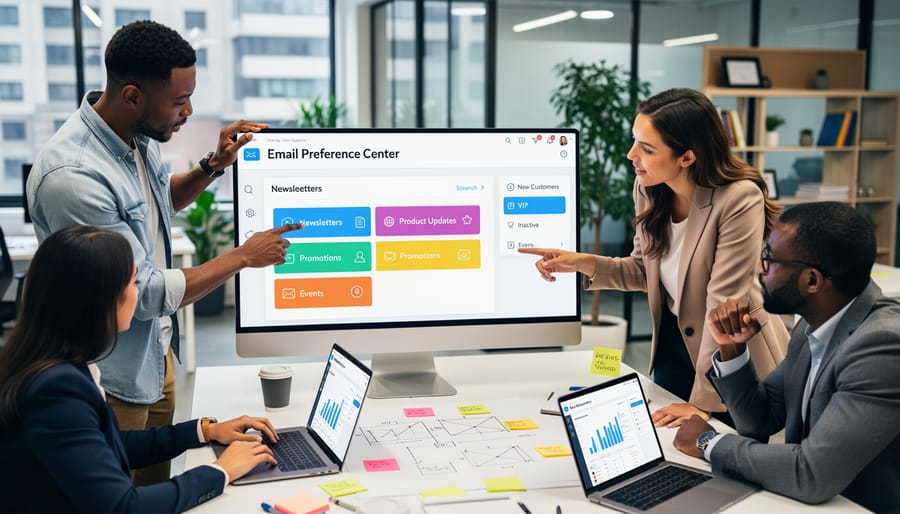
Before building your preference center, you need a clear picture of what you’re currently sending. Start by listing every type of email your business sends: newsletters, product updates, promotional offers, educational content, event invitations, and transactional messages.
Next, review your email segmentation strategies and identify how you currently group subscribers. Look at purchase history, engagement levels, demographic data, and content interests. Which segments respond best to specific email types?
Analyze your email performance metrics from the past six months. Which campaigns generate the highest engagement? Which ones trigger unsubscribes? This data reveals what subscribers value most and what might be overwhelming them.
Group related emails into logical categories. For example, combine all product-related communications under “Product Updates” or separate educational content into “Industry Tips and Tutorials.” Aim for 4-7 clear categories that align with different subscriber interests.
Finally, consider frequency preferences. Some subscribers want daily updates while others prefer monthly digests. Map out realistic frequency options you can maintain through automated workflows, ensuring you can deliver on whatever preferences subscribers choose.
Design for Simplicity and Clarity
Your preference center should make it effortless for subscribers to understand and manage their choices at a glance. Start with a clean, uncluttered layout that presents options in logical groupings—frequency preferences, content topics, and channel selections work well as distinct categories.
Use clear, descriptive labels for each option. Instead of vague terms like “Newsletter A” or “List 3,” specify what subscribers receive: “Weekly Product Updates” or “Monthly Industry Insights.” This transparency builds trust and helps people make informed decisions quickly.
Limit the number of choices to prevent decision paralysis. Five to seven preference options typically strike the right balance between personalization and simplicity. If you need more categories, consider using progressive disclosure—showing basic options first with an “advanced preferences” link for those who want granular control.
Include brief explanations under each option when helpful, but keep descriptions to one sentence. Make your call-to-action buttons prominent and use action-oriented language like “Save My Preferences” rather than generic “Submit” buttons.
Finally, confirm changes immediately with an on-screen message and follow up with a confirmation email. This automated response reassures subscribers their preferences were recorded and demonstrates your commitment to honoring their choices.
Automate Preference-Based Workflows
Once subscribers update their preferences, the real value comes from connecting those choices directly to your email delivery system. Modern email platforms allow you to sync preference center data with automated email workflows, ensuring each contact receives only the content they’ve requested.
Start by mapping each preference option to specific email lists or tags in your system. For example, subscribers who select “weekly product updates” should automatically be added to that segment, while those who opt out are removed immediately. This eliminates manual list management and reduces errors.
Set up conditional logic in your automation sequences that checks preference data before sending. If someone hasn’t opted into promotional emails, your system should skip those messages while still delivering transactional communications they need.
Most email platforms offer API integrations or native connections with preference centers. Configure these to sync in real-time, so changes take effect immediately rather than waiting for batch updates. This responsiveness builds trust and demonstrates your commitment to honoring subscriber choices.
Test your workflows regularly to confirm preferences are being respected across all campaigns and ensure no contacts receive unwanted messages.
Turning Preferences Into Effective Nurture Campaigns

Segment and Personalize Based on Preferences
Preference data transforms your email marketing from broadcast messaging into targeted conversations. When subscribers tell you what they care about, you can deliver content that matches their interests instead of sending everything to everyone.
Start by segmenting based on topic preferences. If a subscriber only wants product updates, exclude them from event invitations and blog roundups. This simple action reduces email fatigue and keeps engagement high. Frequency preferences work the same way—respect whether someone wants weekly digests or monthly summaries.
Behavioral preferences provide another segmentation layer. Create automated workflows that adjust based on role, industry, or company size. A CEO receives different content than a marketing manager, even if both work in the same sector.
The results speak clearly. Personalized email campaigns based on preference data consistently outperform generic sends, often achieving 2-3 times higher open rates and significantly better conversion rates.
Apply preferences to your nurture sequences too. Set up automation rules that route subscribers into different campaigns based on their stated interests. Someone interested in advanced features enters a different journey than someone just getting started. This targeted approach builds trust and demonstrates that you actually listen to what subscribers want, creating stronger client relationships over time.
Test and Optimize Your Approach
Your preference center is only as effective as your ability to measure and refine it. Start by identifying key performance indicators that matter most to your business: opt-in rates for different email types, unsubscribe rates before and after implementing the preference center, click-through rates by content category, and overall engagement scores.
Set up automated tracking to track email metrics specific to preference selections. Monitor which content types generate the highest engagement and which preferences subscribers choose most frequently. This data reveals what your audience truly values.
Run A/B tests on preference center design elements, including the number of options offered, form layout, and call-to-action language. Too many choices can overwhelm subscribers, while too few limit personalization opportunities. Test different configurations to find your sweet spot.
Review preference data monthly to identify patterns and trends. If subscribers consistently opt out of certain email types, reconsider whether that content serves your audience. Conversely, high opt-in rates for specific categories signal opportunities to expand those offerings.
Use this insight to refine your automated nurturing workflows. Adjust sending frequency, content mix, and messaging based on what the data shows. Continuous optimization ensures your preference center remains a valuable tool for both your business and your subscribers.
Common Mistakes to Avoid
Even well-intentioned preference centers can fall flat when marketers make critical missteps. One common mistake is overwhelming subscribers with too many granular options. While customization matters, presenting 20+ categories creates decision fatigue and abandonment. Keep choices streamlined to 5-8 meaningful categories that align with your actual content streams.
Another frequent pitfall is collecting preference data without honoring it. Nothing damages trust faster than a subscriber opting out of promotional emails but still receiving them. Ensure your automated processes properly sync preference data with your email platform and segmentation rules. Test the system regularly from a subscriber’s perspective to verify changes take effect immediately.
Making the preference center difficult to find or access undermines its purpose entirely. Include clear links in every email footer, not just unsubscribe messages. Some marketers hide preference options, fearing increased opt-outs, but this approach backfires by frustrating engaged subscribers who simply want more control.
Failing to communicate the value proposition is equally problematic. Don’t assume subscribers understand why they should update preferences. Briefly explain the benefits: receiving only relevant content, hearing about topics that matter to them, and reducing inbox clutter. This simple context significantly increases completion rates.
Finally, avoid the set-it-and-forget-it mentality. Review preference categories quarterly to ensure they reflect your current content strategy. Outdated options signal neglect and reduce confidence in your brand’s attention to subscriber needs. Regular maintenance keeps your preference center functioning as the respect-building tool it should be.
Email preference centers aren’t just a nice-to-have feature—they’re the foundation of sustainable, long-term email marketing success. By giving subscribers control over what they receive and how often they hear from you, you build trust and maintain engaged audiences who actually want your content. This approach reduces unsubscribe rates while improving open rates and conversions, making your email program more effective overall.
The key to making preference centers work is automation. Manual management of subscriber preferences quickly becomes unmanageable as your list grows. Implement automated workflows that instantly update contact records, segment audiences based on preferences, and trigger appropriate nurture sequences. This ensures subscribers receive exactly what they’ve requested without requiring constant manual intervention from your team.
Start implementing a preference center today, even if it’s simple at first. Begin with basic frequency options and content categories, then expand as you learn what matters most to your audience. The investment in respecting subscriber choice pays dividends through stronger relationships, better engagement metrics, and a healthier email list that drives real business results. Your subscribers will appreciate the control, and your metrics will reflect that appreciation.
Leave a Reply