Why Your Ad Attribution Data Is Lying to You (And What to Do About It)

Stop wasting ad budget on campaigns that would have converted anyway. Most marketing teams rely on attribution models that assign credit to touchpoints in the customer journey—last click gets the sale, first touch gets awareness credit. But attribution only tells you what happened, not whether your ads actually caused the conversion.
Incrementality measurement answers the question attribution cannot: would this customer have purchased without seeing your ad? This distinction costs businesses millions in misallocated spend. You might be heavily investing in branded search campaigns that capture demand you already created, while undervaluing prospecting channels that actually drive new customers.
Attribution models track the path to conversion using cookies and pixels. They’re excellent for understanding customer behavior patterns and optimizing conversion funnels. Incrementality testing uses control groups to measure the true lift your marketing generates—similar to pharmaceutical trials that compare treatment groups against placebos.
The critical choice depends on your business stage and goals. Early-stage companies need attribution’s speed and automation to optimize daily decisions across multiple channels. Established businesses with substantial ad spend require incrementality tests to validate which channels truly drive growth versus simply intercepting existing demand.
Understanding both approaches transforms marketing from guesswork into science. Attribution guides tactical optimization and budget pacing. Incrementality validates strategic decisions about channel investment. Together, they create a complete measurement framework that maximizes return on ad spend while eliminating waste on non-incremental conversions.
What Attribution Actually Tells You
The Fatal Flaw in Attribution Models
Attribution models have a fundamental problem: they’re correlation engines, not causation detectors. They show you which touchpoints occurred before a conversion, but they can’t tell you if those touchpoints actually caused the sale.
Here’s a real-world example of how this creates misleading results. Imagine you run display ads targeting people who recently visited your website. Your attribution report shows these ads generate a 5x return on ad spend. Impressive, right? But here’s the catch: these people already knew about your brand and were likely to purchase anyway. The ads are getting credit for sales they didn’t actually influence.
This is one of the most common attribution measurement challenges businesses face. Your retargeting campaigns look like superstars while your true growth drivers—like prospecting campaigns reaching new audiences—appear less effective by comparison.
The same issue affects branded search campaigns. When someone searches for your company name and clicks your ad before buying, attribution gives that ad full credit. But would they have found you anyway through organic search? Attribution can’t answer that question.
This limitation leads to budget misallocation. You double down on channels that look successful in your reports while unknowingly starving the channels actually driving new customer acquisition. The data tells you what happened, but it doesn’t reveal what would have happened without your ads.
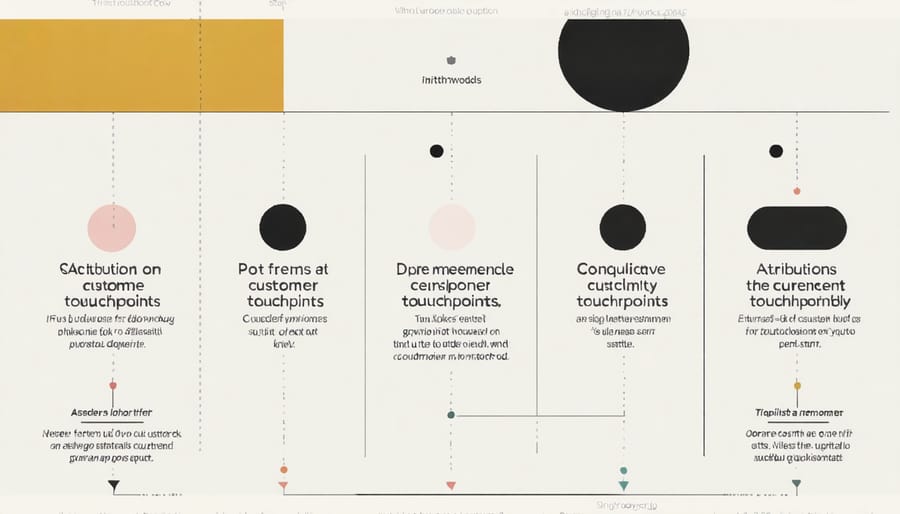
How Incrementality Testing Works

Real-World Example: Brand Search Ads
Consider a growing e-commerce company spending $10,000 monthly on brand search ads (ads triggered when someone searches for your company name). Their attribution dashboard shows impressive results: 500 conversions worth $50,000 in revenue, delivering a 5x return on ad spend. Based on these numbers, the marketing team celebrates and considers increasing the budget.
However, when they run an incrementality test by pausing brand ads for two weeks in select markets, something surprising emerges. Sales only drop by $8,000, not the expected $50,000. This reveals that 84% of those attributed conversions would have happened anyway because customers were already searching specifically for the brand.
The true incremental value of those brand ads? Just $8,000 in additional revenue, bringing the actual return down to 0.8x—meaning the company loses $2,000 for every $10,000 spent on brand search. This is a common scenario because people searching your brand name are already far down the purchase funnel and highly likely to convert without seeing an ad.
This example highlights why measuring campaign performance requires looking beyond surface-level attribution data. Attribution gives credit to the last touchpoint, but incrementality reveals what actually drives new business.
The solution isn’t necessarily eliminating brand ads entirely—they protect against competitors and maintain visibility—but it means adjusting expectations and budgets accordingly. Instead of allocating major resources to brand search, shift those dollars toward channels that genuinely create new demand, like prospecting campaigns or content marketing that reaches audiences who don’t yet know your brand exists.
When to Use Attribution vs. Incrementality
Attribution Works Best For…
Attribution shines when you need to understand how customers interact with your marketing touchpoints throughout their journey. It’s particularly valuable for mapping out which channels consistently contribute to conversions, even if they don’t deliver the final click.
Use attribution when you’re optimizing budget allocation across established campaigns. If you’re running multiple channels simultaneously—say, social ads, search campaigns, and email marketing—attribution helps identify which touchpoints deserve more investment based on their role in the conversion path.
Attribution excels at revealing customer behavior patterns. For instance, you might discover that customers typically interact with your Instagram ads first, then search for your brand name before converting through an email link. This insight helps you maintain presence across the right channels at the right times.
It’s also ideal for businesses with longer sales cycles or complex customer journeys. B2B companies, high-ticket retailers, and service providers benefit from understanding how prospects engage with multiple touchpoints over weeks or months before making purchase decisions.
Finally, attribution works well when you need automated, ongoing measurement without constant testing. Once configured, attribution models continuously track performance, making them practical for businesses that need consistent reporting without dedicating resources to regular experimentation.
Incrementality Is Essential When…
Incrementality testing becomes essential when making decisions that involve significant financial risk or strategic shifts in your marketing approach. If you’re considering launching campaigns on a new advertising platform like TikTok or expanding into connected TV, incrementality studies help you understand whether that channel will actually drive new customers or simply reach people who would have converted anyway.
Major budget reallocation decisions demand incrementality data. Before shifting substantial funds from one channel to another, you need proof that the change will generate genuine lift. For example, if you’re contemplating moving budget from search to display advertising, an incrementality test can reveal whether display truly drives incremental sales or just captures existing demand.
Proving ROI to stakeholders becomes straightforward with incrementality metrics. When executives question whether your marketing spend delivers real business value, incrementality tests provide concrete evidence of causal impact. This is particularly valuable for startups seeking additional funding or businesses justifying increased marketing budgets.
Use incrementality testing when evaluating brand awareness campaigns, where attribution models struggle to capture value. It’s also critical when assessing channels with long consideration periods or when operating in privacy-focused environments where attribution data becomes limited. The upfront investment in incrementality testing pays off by preventing costly mistakes and optimizing budget allocation based on actual performance rather than correlation.
Getting Started With Incrementality Testing
Common Pitfalls and How to Avoid Them
Many businesses stumble when first implementing incrementality testing, but most mistakes are preventable with proper planning.
The most common error is insufficient sample size. Running a test with too few people or too short a timeframe produces unreliable results. Before launching, calculate your minimum required sample size based on your typical conversion rates and desired confidence level. A test that runs for just a few days rarely captures meaningful patterns. Plan for at least two to four weeks, depending on your sales cycle.
Contamination between test and control groups undermines your entire experiment. This happens when people in your control group still see your ads through shared devices, word-of-mouth, or overlapping audience targeting. Use geographic splits rather than audience-based splits when possible, and ensure your holdout group is truly isolated from campaign exposure.
Timing issues create false conclusions. Running tests during holidays, product launches, or seasonal peaks skews results because external factors influence behavior. Schedule incrementality tests during stable business periods and avoid weeks with known anomalies.
Poor documentation leads to repeated mistakes. Establish automated tracking systems that record test parameters, audience definitions, and external factors from day one. This creates a reference library for future tests and helps identify what worked.
Finally, businesses often give up after one unsuccessful test. Incrementality testing requires iteration and refinement. Start small, learn from each experiment, and gradually expand your testing program. Clear communication with stakeholders about realistic timelines and learning curves prevents premature abandonment of valuable measurement initiatives.
Using Both Together for Better Decisions
Attribution and incrementality aren’t competing methods—they’re complementary tools that provide different perspectives on your marketing performance. Attribution tells you where conversions happen, while incrementality reveals what actually drives them. Using both together gives you a complete picture of campaign effectiveness.
Start with attribution as your foundation. Use it to monitor daily performance, track customer journeys, and identify which channels are generating conversions. Attribution data helps you spot trends quickly and make tactical adjustments to campaigns. It’s perfect for ongoing optimization and understanding how customers interact with your touchpoints.
Layer incrementality testing on top to validate and refine your attribution insights. Run periodic tests—quarterly or bi-annually—to measure true causal impact. This approach helps you identify which high-converting channels from attribution are actually driving incremental growth versus simply capturing existing demand.
Here’s a practical workflow businesses can implement:
First, use attribution to identify your top-performing channels and campaigns. Look for patterns in conversion paths and customer behavior using proven data analysis techniques.
Second, prioritize incrementality tests for channels receiving significant budget or showing unusual attribution patterns. Focus on channels where you suspect overlap or question true impact.
Third, compare results from both methods. When attribution shows high conversion numbers but incrementality tests reveal low lift, you’ve found budget waste. Conversely, channels showing modest attribution credit but strong incrementality deserve more investment.
Fourth, adjust your budget allocation based on combined insights. Protect spend on channels demonstrating both conversion attribution and incremental lift. Reduce budget where attribution overstates impact.
Fifth, automate reporting to track both metrics simultaneously. Set up dashboards showing attribution performance alongside scheduled incrementality test results. This creates accountability and ensures decisions consider both perspectives.
The key is treating attribution as your speedometer—useful for daily navigation—and incrementality as your compass, confirming you’re headed in the right direction. Attribution provides speed and convenience for routine decisions, while incrementality offers accuracy for strategic choices. Together, they eliminate blind spots and help you optimize ad spend with confidence, ensuring every dollar works harder for your business.

Understanding the difference between attribution and incrementality is essential for making smarter advertising decisions. Attribution shows you what happened—which touchpoints customers interacted with before converting. Incrementality reveals what worked—which campaigns actually drove additional results you wouldn’t have achieved otherwise. Both metrics serve important but distinct purposes in your measurement strategy.
The businesses that succeed with paid advertising don’t choose one approach over the other. They use attribution for day-to-day optimization and budget allocation, while periodically testing incrementality to validate their assumptions and uncover hidden opportunities. This combination ensures you’re not just tracking activity, but genuinely understanding cause and effect.
Ready to improve your ad measurement? Start by auditing your current attribution model to ensure it aligns with your customer journey. Then, schedule quarterly incrementality tests for your top-performing campaigns to verify they’re delivering true value. Pair these insights with actionable reporting strategies that translate data into business decisions. The investment in proper measurement will pay dividends in campaign performance and budget efficiency.
Leave a Reply